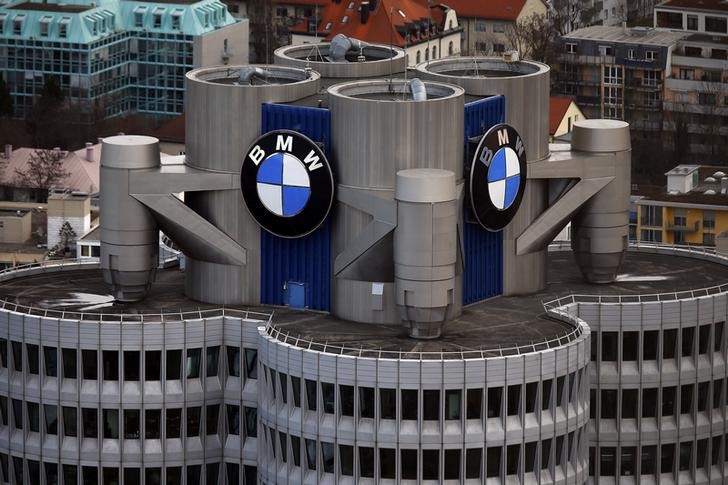
Citi kept BMW at Neutral, saying the stock remains cheap but is likely to stay range-bound due to weak China demand and no clear earnings catalysts. BMW’s China sales are expected to fall from roughly 800,000 units at the peak to about 500,000 this year and 300,000-350,000 by 2030, while China earnings could drop from around €5 billion in 2023 to below €1 billion this year. Citi sees fiscal 2026 automotive EBIT margin guidance of 1% to 3% as well below long-term targets and says BMW may need up to €3 billion in cost savings and portfolio improvements to lift margins toward 6% to 8%.
The key market takeaway is not that BMW is cheap; it is that the market may be underestimating how long China can remain a structural margin drag for legacy premium OEMs. Once a major geography moves from profit engine to low-return volume pool, the equity rerates from a cyclical growth story to a capital-allocation story, which typically compresses multiples even when headline valuation looks optically low. That shift also lifts the relative appeal of firms with cleaner geographic exposure, faster EV mix flexibility, or more credible cost takeout.
Second-order effects extend beyond BMW: if Chinese premium demand stays weak, suppliers tied to German ICE platforms and luxury trim content face a longer earnings trough, while domestic Chinese EV brands gain pricing power and brand share without needing a broad market rebound. The real catalyst is not an incremental China sales update but management’s ability to quantify restructuring and buyback capacity; absent a multi-year cost program, investors are likely to keep treating the stock as a value trap. In that setup, cash return policy matters more than margin guidance because it can partially offset low growth and defend downside.
The contrarian angle is that the negativity may be slightly front-loaded: when expectations are already depressed, even modest evidence of cost actions, portfolio pruning, or higher buybacks can force a fast factor rotation into the name for a few weeks. But that is a tradeable bounce, not necessarily a durable rerating, unless capital intensity and China exposure are structurally reduced. Time horizon matters: near-term catalysts are weak, but the September strategy update is a clear binary event that can reset sentiment if it frames BMW as a disciplined cash machine rather than a stranded premium growth asset.
AI-powered research, real-time alerts, and portfolio analytics for institutional investors.
Request DemoOverall Sentiment
moderately negative
Sentiment Score
-0.35
Ticker Sentiment
