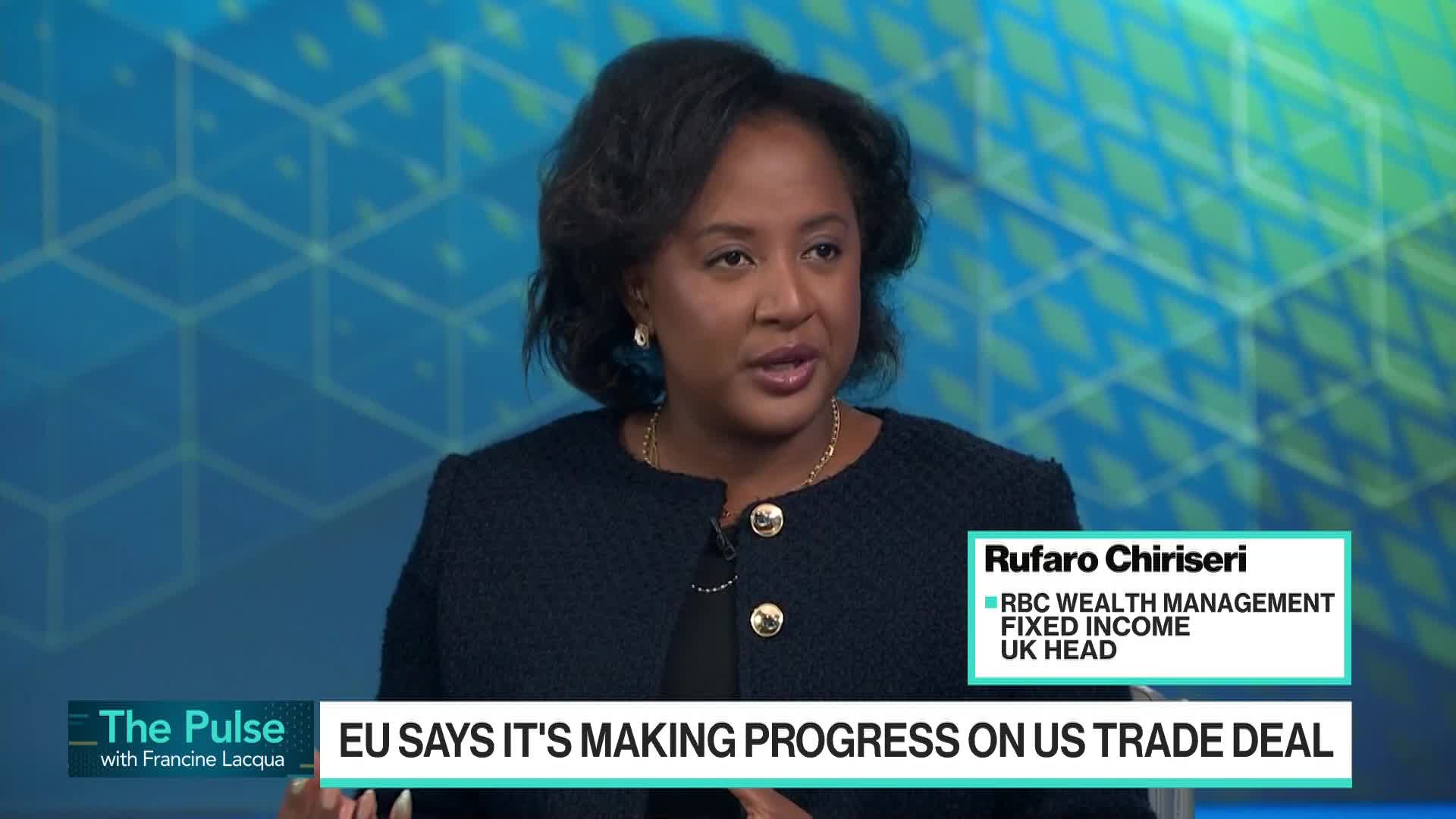
The provided text is a headline indicating a discussion by RBC's Rufaro Chiriseri on the impact of Trump tariffs. However, the article content itself is not provided, precluding a summary of specific insights or key takeaways regarding the tariffs' implications for markets or industries.
The headline indicates that RBC analyst Rufaro Chiriseri has provided commentary on the market impact of potential Trump-era tariffs. While the specific details of the analysis are not available, the topic itself highlights growing investor focus on the intersection of US domestic politics, trade policy, and its macroeconomic consequences. The identified themes of "Tax & Tariffs" and "Trade Policy & Supply Chain" confirm that the discussion centers on a significant geopolitical and economic risk factor. The neutral sentiment and low market impact score are reflective of the source being a headline for a commentary rather than a concrete market event, yet the involvement of a major institution like RBC signals that financial markets are beginning to price in or at least actively analyze the potential for renewed trade protectionism.
AI-powered research, real-time alerts, and portfolio analytics for institutional investors.
Request DemoOverall Sentiment
neutral
Sentiment Score
0.00
Ticker Sentiment
