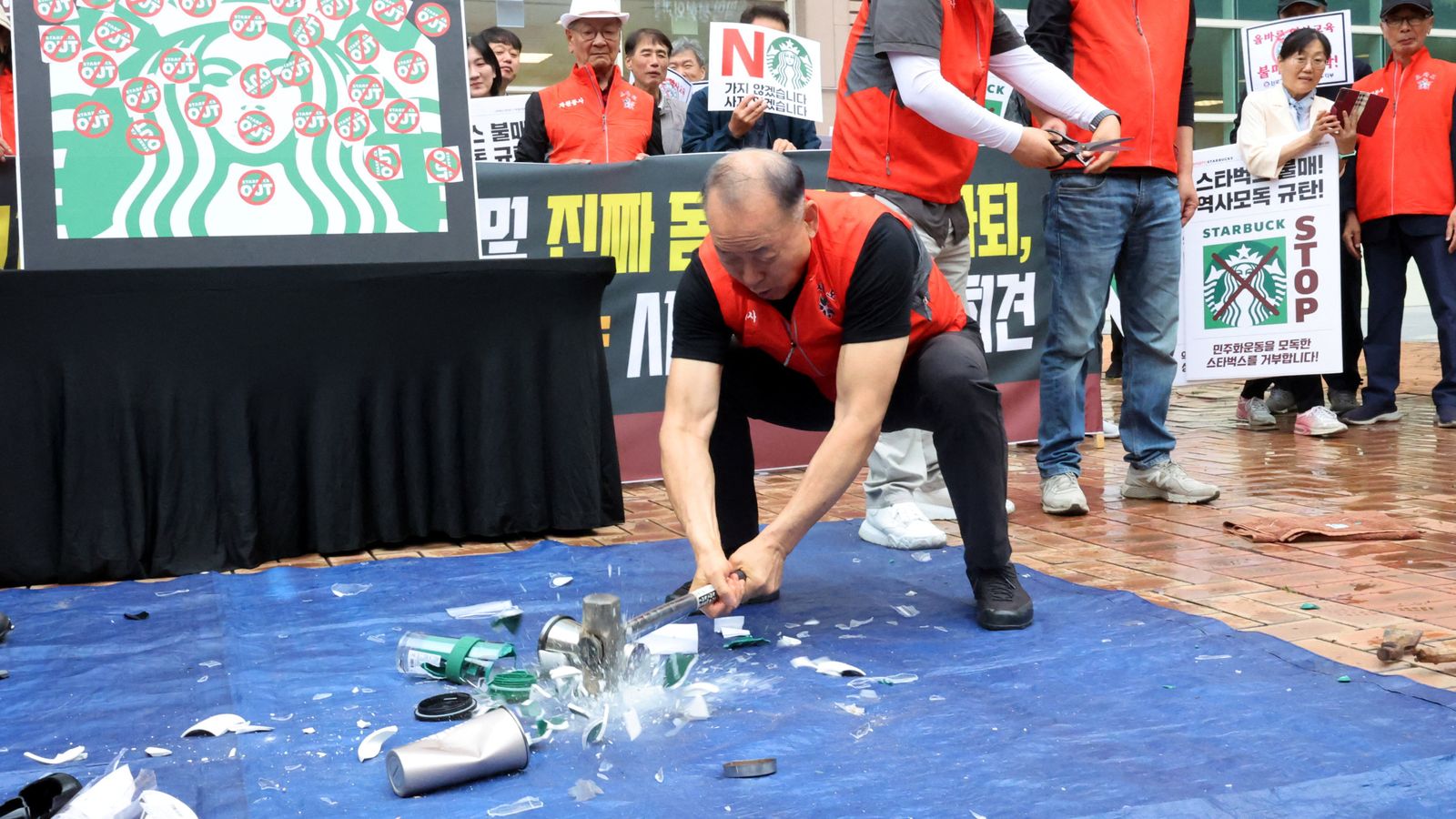
Starbucks Korea reported a "very significant" drop in sales after a backlash over a controversial marketing campaign tied to the Gwangju Uprising anniversary. Shinsegae shares fell as chairman Chung Yong-jin apologized, Starbucks Korea canceled the promotion, and the local head was fired. The episode has triggered boycotts, public condemnation from South Korea's president, and an internal investigation by Starbucks Global.
This is less a one-off PR mistake than a demand shock concentrated in Korea, where the brand’s traffic mix is unusually reliant on reputation-sensitive, urban consumers and repeat discretionary purchases. The first-order hit is the Korea JV, but the second-order effect is on Shinsegae’s governance discount: investors now have a fresh example of management judgment bleeding into a high-visibility consumer asset, which can widen the multiple gap versus domestic retail peers even if the incident proves temporary.
The key near-term risk is not just a few weeks of boycott traffic, but the possibility that the brand becomes a political proxy for broader anti-chaebol sentiment. That matters because reputational damage in Korea tends to have a longer half-life than in Western markets; even if sales normalize, the recovery in premium beverage frequency and merch purchases could lag for months, especially if universities, labor groups, or local officials sustain the pressure.
For SBUX, the direct P&L impact is limited globally, but the story can still matter for sentiment because it reinforces a broader vulnerability: franchise-level execution can destroy local comp sales without showing up immediately in consolidated numbers. The more interesting knock-on is competitive — domestic coffee chains and convenience-store beverage players should capture share from casual Starbucks visits, and that share gain can persist if they convert boycott traffic into habit. If management handles this poorly, the issue can also spill into other Asian markets where local cultural sensitivity is priced as a premium attribute.
The contrarian angle is that the selloff may be bigger than the earnings impact if investors extrapolate a Korea-specific political scandal into global brand deterioration. That creates a tradable distinction: the equity risk is real for Shinsegae, but the earnings risk to SBUX is likely too small to justify a sustained re-rate lower unless there is evidence of contagion into other high-growth Asian regions or a broader consumer backlash against the brand architecture.
AI-powered research, real-time alerts, and portfolio analytics for institutional investors.
Request DemoOverall Sentiment
strongly negative
Sentiment Score
-0.55
Ticker Sentiment
