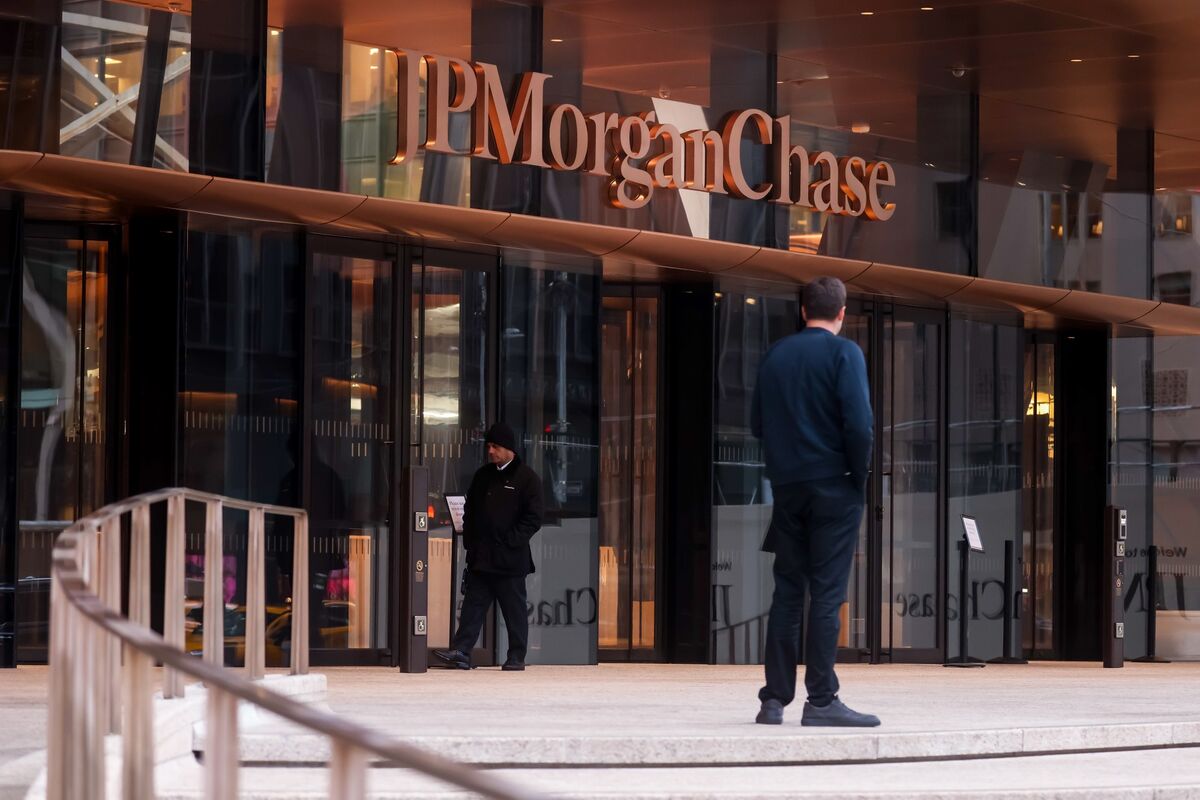
JPMorgan expects full-year costs to rise to about $106 billion, roughly $1 billion above the guidance executives reaffirmed last month. Jamie Dimon said the increase is tied to traders receiving windfalls, implying a higher expense base but not a broader deterioration in core business conditions. The update is a modest negative for near-term cost discipline, though the article does not indicate a major earnings shock.
This is less about a one-quarter miss and more about operating leverage failing to work in management’s favor. A large, diversified bank with sticky deposits and strong trading franchise should have the best shot at offsetting inflationary cost creep, so an upward reset in expense guidance implies the incremental dollar is being driven by compensation, technology, and controls rather than controllable overhead. That matters because those inputs tend to be persistent, which compresses the probability that margins re-expand meaningfully by year-end unless revenue growth surprises again. The second-order winner is likely not JPM’s competitors in banking, but the market itself: if a top-tier franchise is seeing costs drift higher despite trading windfalls, it reinforces the idea that sector-wide expense discipline is deteriorating just as revenue visibility becomes choppier. That can pressure consensus on banks with weaker fee mix or less trading offset, especially regionals and money-center peers that lack the same earnings cushion. The flip side is that the trading outperformance may mask the underlying issue for another quarter or two, creating a lag before estimates are cut. The catalyst window is months, not days. Near term, investors may shrug because the cost bump is only ~1% of annual expenses, but the real risk is that management’s credibility on full-year expense targets erodes and the Street starts underwriting a higher structural run-rate into 2025. If rates, markets activity, or loan growth soften, the cost reset will start to matter more because there will be less revenue elasticity to absorb it. The contrarian view is that this is not necessarily bearish if it is mostly mix-driven compensation tied to strong trading and investment banking performance; in that case, the spend is effectively variable and should scale back if revenues normalize. The key question is whether the market is overreacting to a headline cost increase while underappreciating the durability of above-trend fee generation. If earnings revisions stabilize, the stock may be range-bound rather than repricing lower.
AI-powered research, real-time alerts, and portfolio analytics for institutional investors.
Request DemoOverall Sentiment
mildly negative
Sentiment Score
-0.15
Ticker Sentiment
