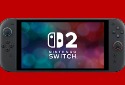
VGChartz estimates show PS5 Europe sales fell to 135,985 units in April 2026, down 40.4% year over year and roughly 234,000 units below PS4's April 2019 level. The decline follows a price increase and leaves PS5 lifetime Europe sales at 32.48 million, versus 4.53 million for Switch 2 and 8.60 million for Xbox Series X|S. The article signals softer consumer demand for PS5 in Europe, but the impact is limited because it is based on third-party estimates rather than official company data.
Sony’s issue here is not just unit volume; it’s mix. When a premium platform loses price elasticity in its core European market, the risk is a step-down in software attachment, add-on attach rates, and digital monetization per console rather than a simple one-time hardware miss. The market should also worry that higher sticker prices now force a larger share of demand into the lower-end incumbent or into Nintendo’s ecosystem, which has very different software economics and lower exposure to high-margin third-party spend.
The second-order effect is that Sony may be walking into a margin trap: if demand is price-sensitive enough to fall this quickly, further price support would likely require promotions, bundles, or retailer incentives that compress hardware gross margin just as the platform matures. That matters because late-cycle consoles typically rely on installed-base monetization to offset slowing box sales; if the base expands more slowly than expected, software and network revenue assumptions get pushed out by quarters, not weeks.
The key catalyst is whether this is a one-month air pocket or the start of a sustained demand reset after the latest pricing actions. Watch for any sign of a Europe-wide promotional response within the next 1-2 quarters; absence of discounting would suggest Sony is defending margin over volume, which is usually a bearish signal for top-line expectations. A real reversal would require either price cuts, a major first-party release cadence, or a broader consumer spending inflection.
The contrarian case is that the market may be overfitting one month of sell-through data onto a structurally large installed base. If Sony can keep hardware relatively tight and monetize through software, subscriptions, and services, the equity impact could be smaller than the headline suggests. But in the near term, the risk/reward is skewed against any narrative that assumes European demand can absorb materially higher pricing without ongoing share loss.
AI-powered research, real-time alerts, and portfolio analytics for institutional investors.
Request DemoOverall Sentiment
moderately negative
Sentiment Score
-0.34
Ticker Sentiment
