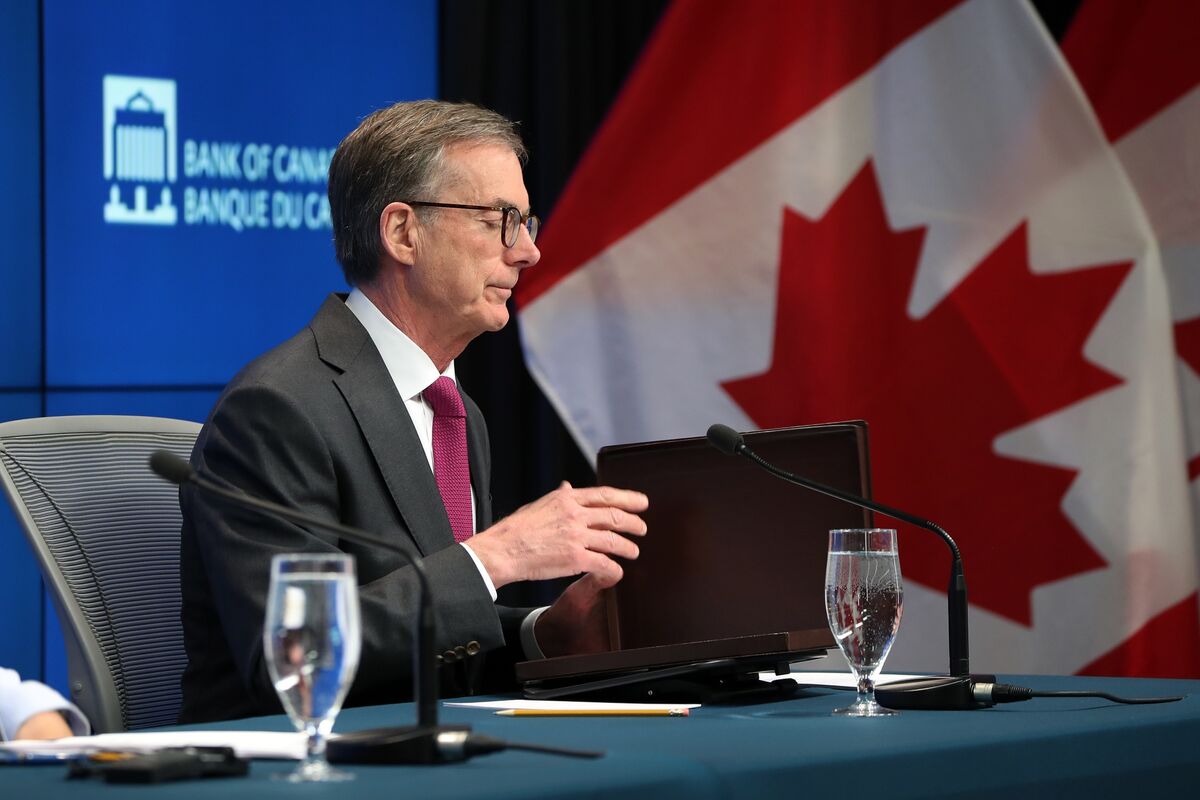
The Bank of Canada held its policy interest rate at 2.75%, signaling a focus on core inflation despite weak economic growth, according to analysts. Stronger-than-expected price growth has shifted the bank's calculations, forcing a balance between economic concerns and inflation risks.
The Bank of Canada's decision to maintain its policy interest rate at 2.75% underscores a strategic pivot towards combating core inflation, even amidst signals of weak economic growth. According to analysts, this stance, characterized by a hawkish tone and moderately negative market sentiment, reflects a recalibration by the central bank due to stronger-than-expected price growth. This has presented the Bank of Canada with a significant dilemma: how to effectively manage persistent inflation risks without unduly stifling economic activity. The current policy indicates a period of watchful waiting, with future actions heavily contingent on incoming economic data, particularly inflation metrics.
AI-powered research, real-time alerts, and portfolio analytics for institutional investors.
Request DemoOverall Sentiment
moderately negative
Sentiment Score
-0.40
