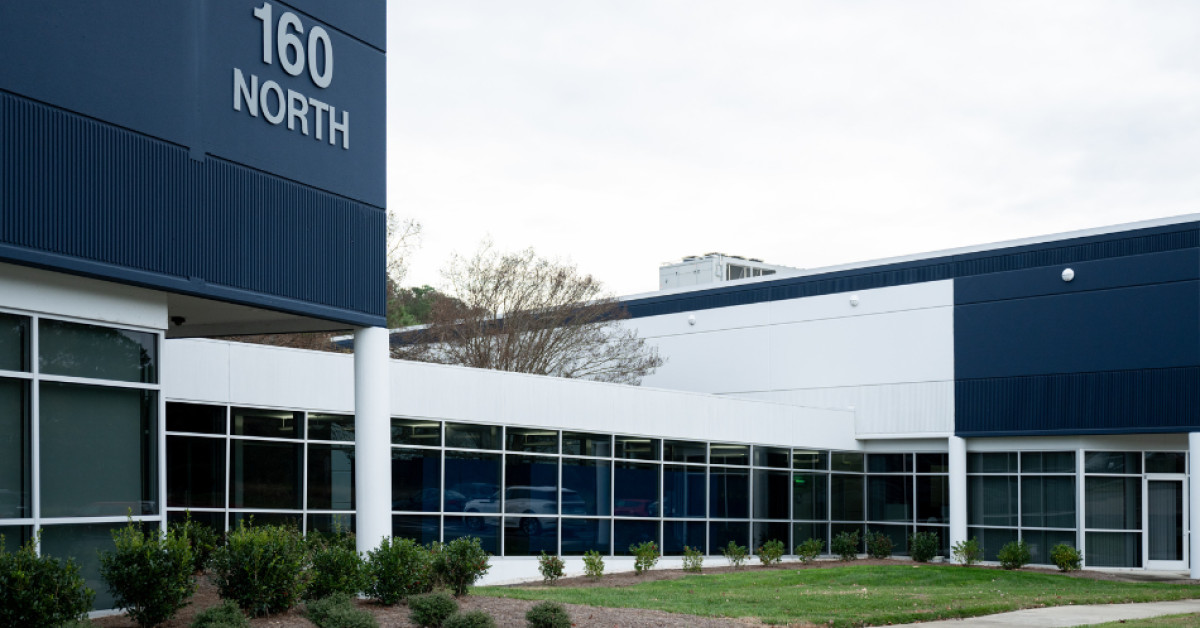
Pace Life Sciences said it successfully completed a US FDA inspection of its Small Molecule Center of Excellence in Research Triangle Park, NC, with results described as compliant. The company frames the outcome as evidence of strong quality systems and data integrity across its analytical operations, which should support customer confidence in its GMP analytical CDMO services.
This is a quality signal, not a growth catalyst. For private lab/CDMO platforms, clean FDA outcomes mainly reduce perceived operational risk and lower the discount rate buyers assign to outsourced testing; the economic effect shows up only if it translates into higher share of wallet or better pricing on renewals. The near-term market impact is likely limited because compliance is table stakes and already embedded in large-cap regulated service names.
Second-order, this is mildly constructive for the larger, more diversified life-sciences outsourcing players that can absorb QA overhead without margin damage. If sponsors become more selective on vendor audits, capital should drift toward scaled platforms with deeper regulatory muscle, which favors names like LH and TMO over smaller, more levered niche providers. The opposite risk is that this becomes noise: one successful inspection does not prove durable outperformance if turnaround times or client concentration remain weak.
The contrarian view is that consensus overweights the optics of a clean inspection and underweights the lack of quantifiable financial upside. Unless Pace converts this into visible backlog gains or a narrower customer win-loss gap over the next 1-3 quarters, the event will not change earnings power. What would falsify the constructive read-through is any subsequent FDA observation at Pace or peers, or evidence that customers are still choosing on price rather than compliance pedigree.
AI-powered research, real-time alerts, and portfolio analytics for institutional investors.
Request DemoOverall Sentiment
mildly positive
Sentiment Score
0.18
