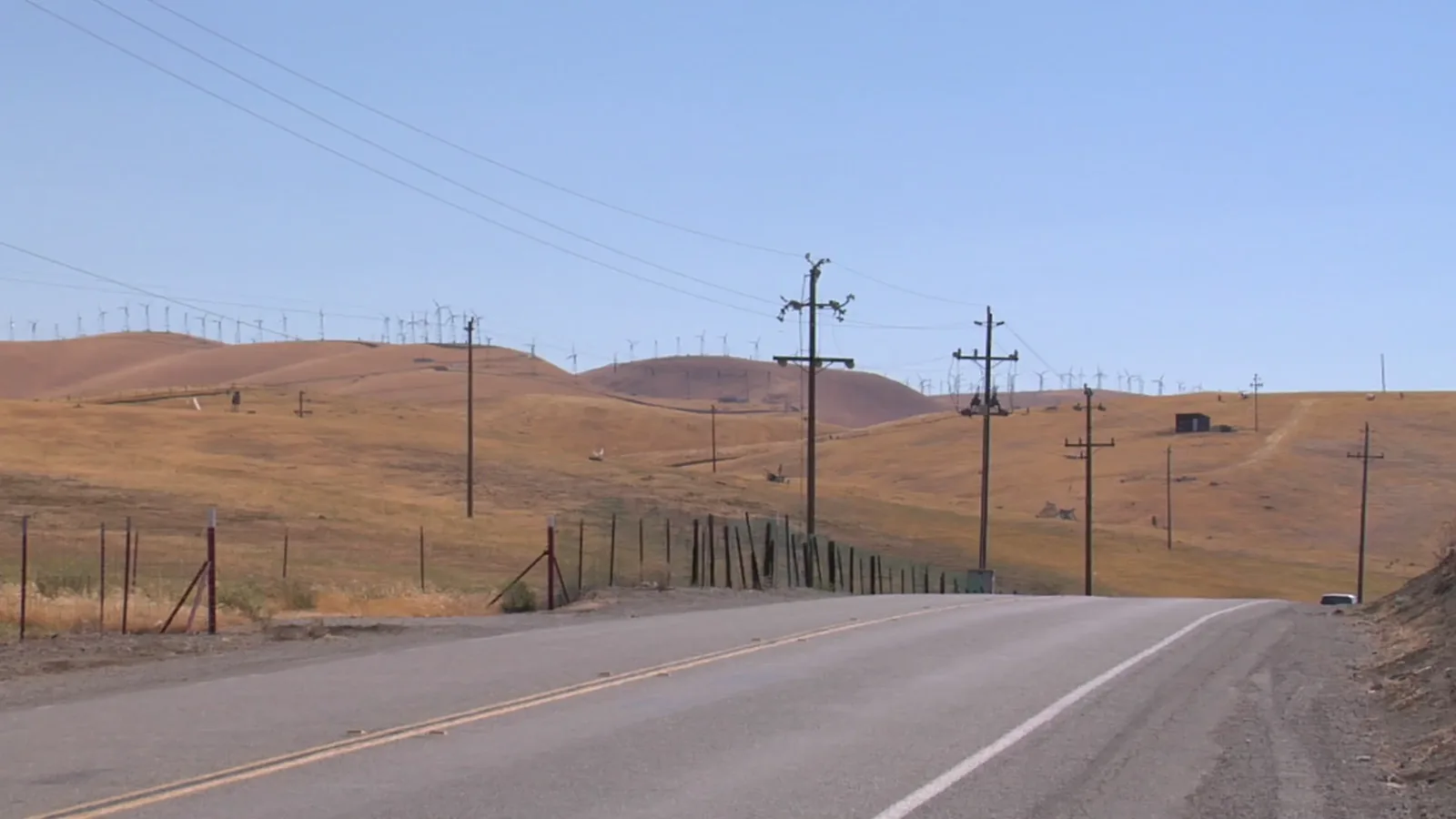
U.S. average residential electricity prices rose year-over-year according to the EIA; North Dakota records the lowest state rate while Hawaii is the highest, with mainland high-cost states including California, Rhode Island, Massachusetts and New York. Lower-cost states cluster in the Plains and parts of the South (Nebraska, Idaho, Oklahoma, Arkansas), while higher costs concentrate in the Northeast and West Coast. These regional price differentials can increase monthly household financial strain, especially where climate drives elevated heating or cooling demand.
The headline regional dispersion in residential electricity prices is a demand-side stress test for consumers that cascades into capital allocation and location decisions by industry. A persistent price wedge (tens of percent across regions) changes project IRRs: industrial users and data centers value a 20–30% lower delivered electricity price as if it were a 10–15% tax cut on operating margins, driving a multi-year shift in siting and long-term PPA demand toward lower-cost grids. Transmission constraints and interregional congestion become the choke points for that shift, creating meaningful optionality for firms that can monetise congestion relief (transmission builders, merchant storage) in the 12–36 month window.
At the household level, elevated retail tariffs materially shorten payback for distributed DER + storage and accelerate electrification economics. For example, a persistent retail premium of ~25% versus the national norm moves rooftop-plus-battery paybacks from borderline (8–12 years) into investor-worthy (5–8 years) territory, which should lift installer growth, financing activity, and behind-the-meter equipment demand within 6–18 months. That dynamic also raises regulatory heat: rate cases, net metering revisits, and targeted subsidies will be the primary near-term catalysts that can either accelerate adoption or temporarily chill returns for private installers.
Credit and muni markets will start pricing utility and municipal counterparties through this lens. Utilities with embedded exposure to retail political pushback or that lack access to low-cost wholesale supply face higher regulatory and credit risk over 1–3 years, while transmission/renewables developers with FERC-backed incentives and merchant storage developers capture outsized optionality. Finally, the market appears to underprice the optionality inherent in aggregated storage and grid software businesses: these scale faster than module-cost deflation and are the levered play on regional price dispersion being monetised electrically rather than through commodity production.
AI-powered research, real-time alerts, and portfolio analytics for institutional investors.
Request DemoOverall Sentiment
neutral
Sentiment Score
0.00
