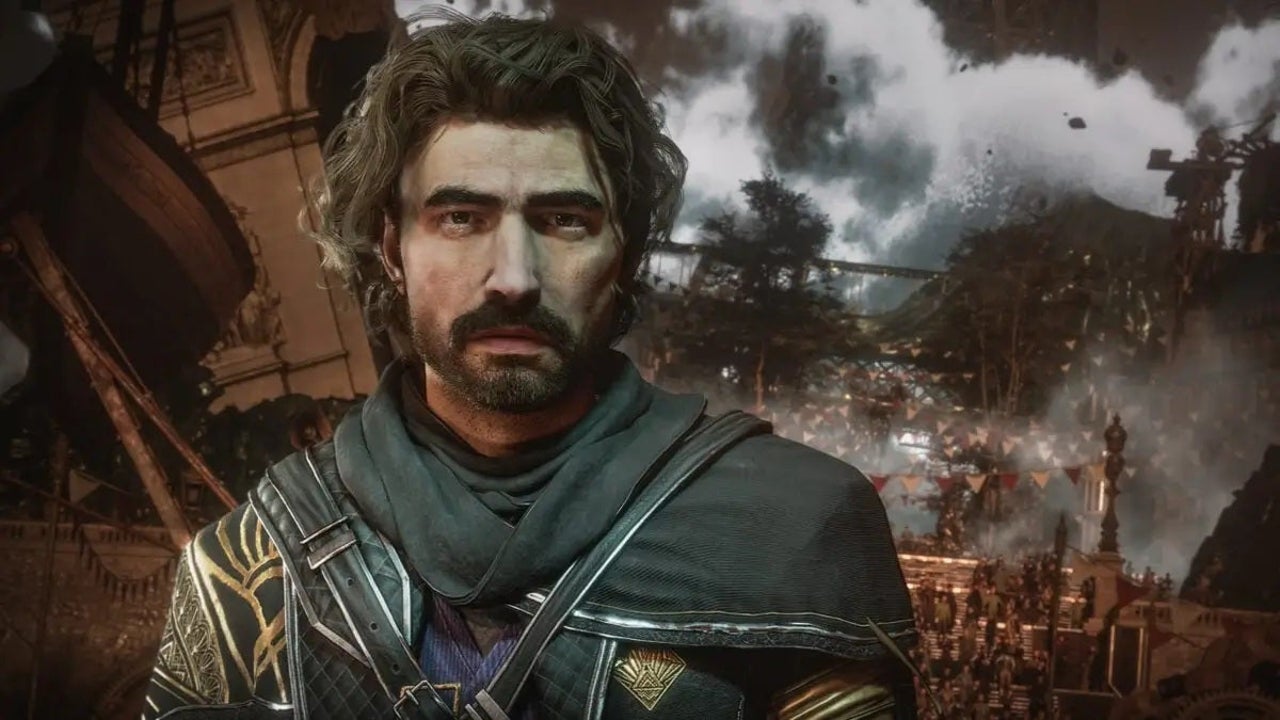
Sandfall Interactive admitted to using generative AI to create temporary textures for the JRPG Expedition 33 and removed those assets five days after launch, prompting the Indie Game Awards to revoke the title’s ‘Game of the Year’ award. The reversal has sparked public debate—with former Rare dev Chris Seavor criticizing the practice as lazy and others defending AI as a tool for small teams—highlighting reputational, transparency and ethical risks for studios and award bodies that could influence consumer and investor perception in the games sector.
Market structure: The Expedition 33 controversy reallocates pricing power toward AI infrastructure and platform owners (NVDA, MSFT, UNITY) who supply tools and vetted asset marketplaces; indie studios that rely on community trust or transient PR (single-title indies, some mid-cap publishers) are direct losers. Expect modest share shifts: platform/infra margins expand 100–300bp over 12–24 months as more studios outsource asset generation and licensing.
Risk assessment: Tail risks include IP class actions or platform delistings that could produce multi-$100M hits for exposed studios and carve out regulatory mandates (EU AI Act-style) within 6–24 months requiring disclosure and licensing, raising compliance costs 5–15%. Immediate (days–weeks) is reputational and award-driven sales volatility (±5–15% for affected indies); medium-term (3–12 months) policy and store-change risks; long-term (1–3 years) industry consolidation.
Trade implications: Capitalize on infrastructure winners and hedge consumer-facing reputational exposure: prefer NVDA and MSFT for 6–18 month upside, and UNITY for 12–24 month structural intake from licensed asset demand. Use small, tactical downside hedges (OTM puts) on community-sensitive names (RBLX or single-title midcaps) ahead of earnings/patch windows; expect limited bond/FX impact but elevated options IV for affected equities.
Contrarian angles: The market may over-penalize quality titles—true gameplay winners will likely see <10% permanent sales loss, creating buy-the-dip opportunities in small indies after an overreaction. Historical parallel: music sampling lawsuits spawned licensing ecosystems; similarly, stricter rules could accelerate paid asset marketplaces (UNITY) and middleware monetization, creating 10–30% revenue upside over 12–24 months for platform owners.
AI-powered research, real-time alerts, and portfolio analytics for institutional investors.
Request DemoOverall Sentiment
moderately negative
Sentiment Score
-0.30
Ticker Sentiment
