
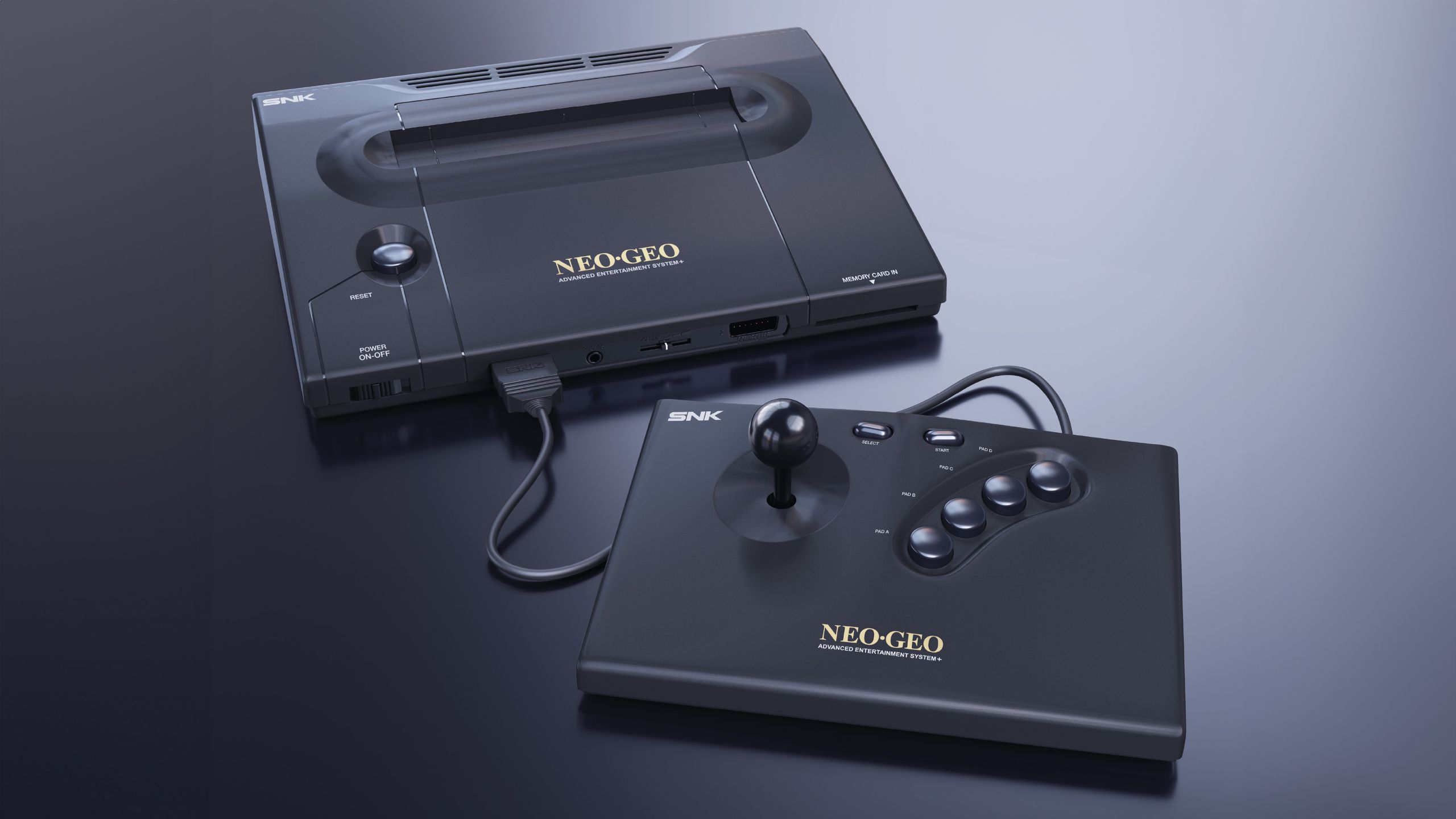
Plaion’s NEOGEO AES+ launches on 12 November at $249.99 / £179.99, with a white Anniversary Edition at $349.99 / £269.99 and a $999.99 / £899.99 Ultimate Edition. The console is pitched as a silicon-level remake of the original NEOGEO AES with re-engineered ASIC chips, backward compatibility with original cartridges, low-latency HDMI, and CRT AV output. The news is favorable for retro-gaming fans and reinforces demand for premium nostalgia hardware, but it is more niche consumer-tech commentary than a broad market catalyst.
The market is likely underestimating how much of this is a margin-accretive licensing and ecosystem event rather than a pure nostalgia hardware launch. If the device genuinely delivers cartridge compatibility with a premium price point, the economic upside is less about unit volume and more about pulling forward high-margin accessory, bundle, and software attach rates from a captive enthusiast base. That tends to favor the platform owner and any IP/licensing partner with meaningful exposure to legacy SNK content, while incremental hardware competition should be limited because this is not a mass-market form factor.
The second-order effect is on the broader retro segment: this raises the bar for what constitutes “authentic” and may pressure FPGA- and emulation-based competitors on differentiation, but not necessarily on demand. Enthusiasts who care most about fidelity are a niche with low elasticity, so the bigger risk is not share loss from one retro box to another; it is that the premium pricing floor for collector-grade retro hardware gets re-rated upward across the category. That supports higher ASPs for limited-run hardware, but also increases execution risk if the product quality or latency claims disappoint at launch.
For SONY, the direct read-through is minimal, but there is a subtle halo effect: premium retro spend confirms that nostalgia-driven gaming hardware remains monetizable, which is supportive for any future legacy-content packaging or hardware revival strategy. The contrarian angle is that the biggest beneficiary may be the secondhand cartridge market, not the new console—if compatibility is real, used cart prices could firm over the next 3-6 months, creating a wealth effect for collectors but capping software monetization for the new platform. The main catalyst/reversal point is the first independent teardown and latency test; if the hardware is not materially better than FPGA solutions, the enthusiasm can unwind quickly because the purchase case is authenticity, not convenience.
AI-powered research, real-time alerts, and portfolio analytics for institutional investors.
Request TrialOverall Sentiment
mildly positive
Sentiment Score
0.35
Ticker Sentiment
