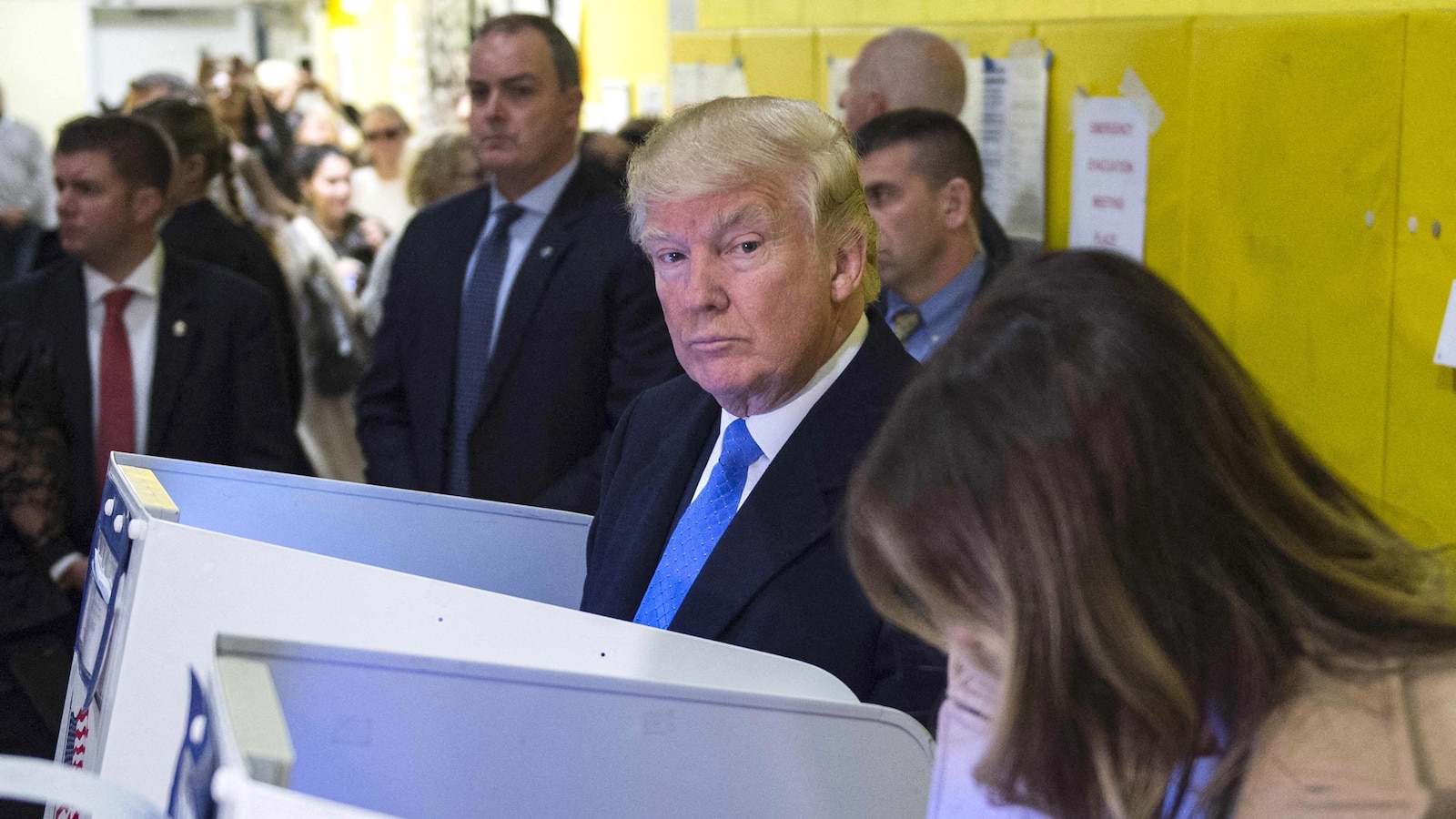
A group of pro‑Trump attorneys circulated a 17‑page draft executive order, reportedly reviewed by former President Trump, that would declare a national emergency citing alleged Chinese interference in 2020 and mandate voter ID, hand‑counted ballots while banning mail‑in voting and electronic voting machines ahead of the midterms. The proposal — backed by figures such as Michael Flynn, Mike Lindell and Patrick Byrne — has prompted immediate legal and political pushback and would likely face constitutional challenges, raising election‑related political risk but is unlikely to be directly market‑moving in the near term.
Market structure: The draft executive-order push is a political shock that asymmetrically benefits cyber/security vendors, conservative media, and litigation/legal services while pressuring any vendors tied to electronic or mail voting (mostly private) and USPS revenues (small negative). Expect 3–7% relative outperformance for listed cybersecurity names vs. broader tech in a 1–3 month window if rhetoric escalates; media ad volatility may widen near midterms (advertising CPM dispersion +10–30%).
Risk assessment: Tail risk is a constitutional crisis scenario (low probability 5–15%) that could trigger a 3–8% equities selloff and a safe-haven bid (10-year UST yield down 20–50bp; gold up 5–12%) over days–weeks. Short-term (days–weeks) drivers are headlines and legal filings; medium-term (1–6 months) hinges on court injunctions and congressional action; long-term (quarters) depends on policy precedent boosting federal cybersecurity/regulation budgets by an incremental 5–15% CAGR vs. baseline.
Trade implications: Tactical trades: overweight cybersecurity (CRWD, PANW, ZS, SPLK) and defensive beta (XLU, XLP) while hedging with 1–3 month VIX call or SPY put spreads; size initial positions 1–3% NAV each given headline risk. Use call spreads to limit premium; consider 3–6% allocation to long-duration Treasuries (TLT/IEF) if headlines intensify and yields fall >20bp.
Contrarian angles: Consensus assumes courts will immediately block any nationalization attempt; markets may underprice the multi-quarter policy tail that increases federal cybersecurity spend and legal-ad revenue to right-leaning media. Historical parallels (post-2000 legal election fights) show transient market moves but persistent sectoral reallocation; mispricings exist in high-quality cyber names where a 6–12 month re-rating is plausible if federal procurement accelerates.
AI-powered research, real-time alerts, and portfolio analytics for institutional investors.
Request TrialOverall Sentiment
moderately negative
Sentiment Score
-0.30
