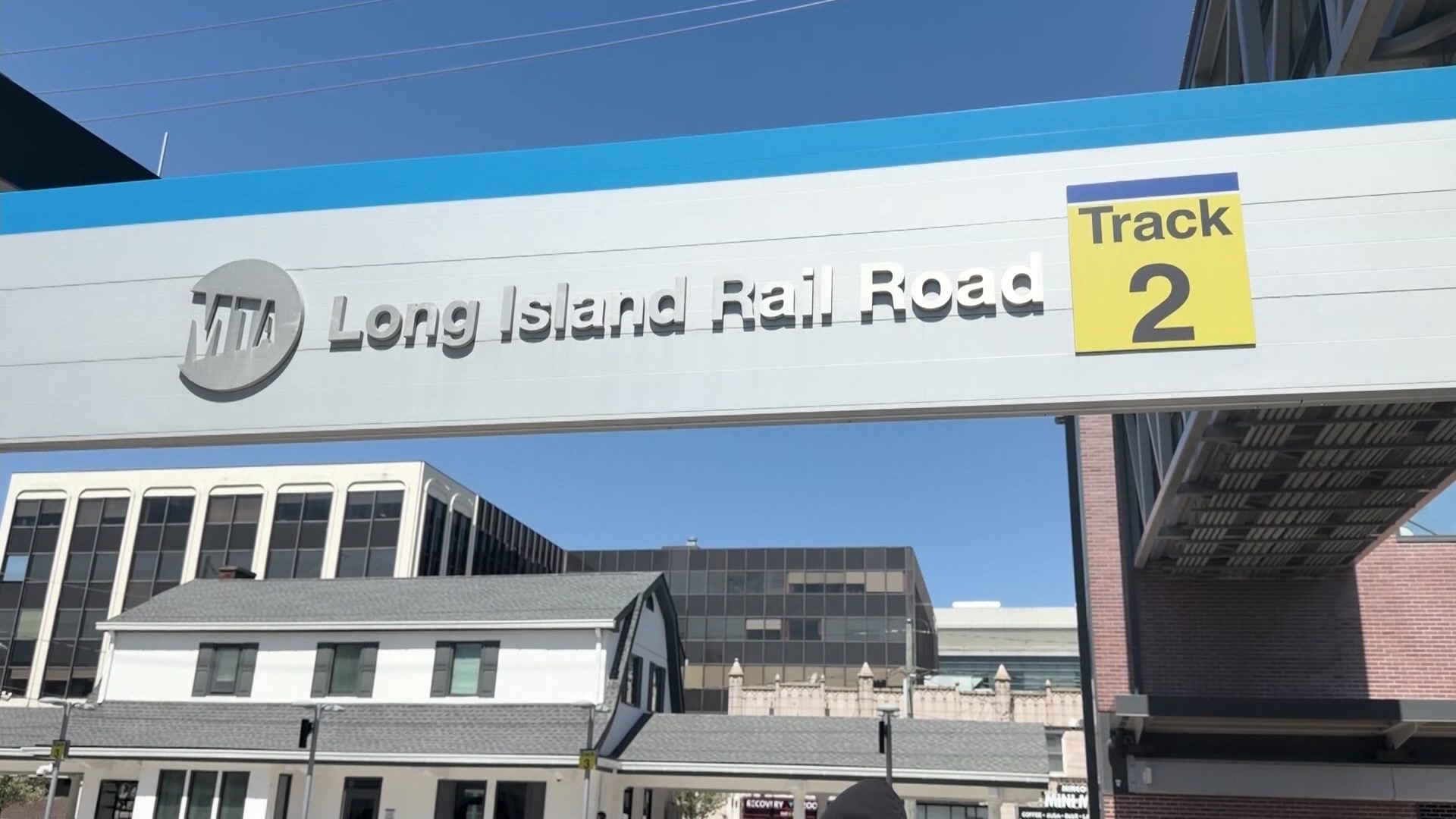
The MTA will refund monthly LIRR ticket holders for four days of disrupted service in May, with the refunds expected to cost about $2.4 million and most payments due by June 30. Officials also waived the standard $10 processing fee, while the broader strike settlement is drawing scrutiny for its potential long-term fiscal impact and precedent for future union negotiations. Management says the agreement will not require new fare hikes or taxes, but board members are concerned rising wage demands tied to inflation could pressure the agency’s budget.
The immediate cash impact is small, but the signaling effect is bigger: this creates an option value for organized labor across the MTA complex. A one-off refund is a nuisance; a wage settlement that visibly resets the reference point for inflation-linked public-sector compensation would pressure the agency’s already thin operating flexibility and make future labor rounds more expensive even if this deal itself is manageable.
The second-order risk is political rather than accounting-driven. If the TWU reads this as a successful bargaining anchor, the MTA could face a multi-year wage ratchet across bus/subway and rail units just as ridership recovery remains uneven and fare elasticity is worsening. That combination raises the probability of either service cuts, deferred maintenance, or more aggressive capital-market funding needs — all of which tend to surface over quarters, not days.
The market may be underestimating how this flows through municipal credit rather than transit equities. The core issue is not the refund expense; it is whether investors start demanding a higher risk premium for quasi-sovereign issuers with recurring labor volatility and limited pricing power. The counterpoint is that a public stance against new taxes/fare hikes implies management is trying to ring-fence the event, which could cap the near-term downside unless negotiations widen beyond LIRR.
AI-powered research, real-time alerts, and portfolio analytics for institutional investors.
Overall Sentiment
mildly negative
Sentiment Score
-0.15
Ticker Sentiment
