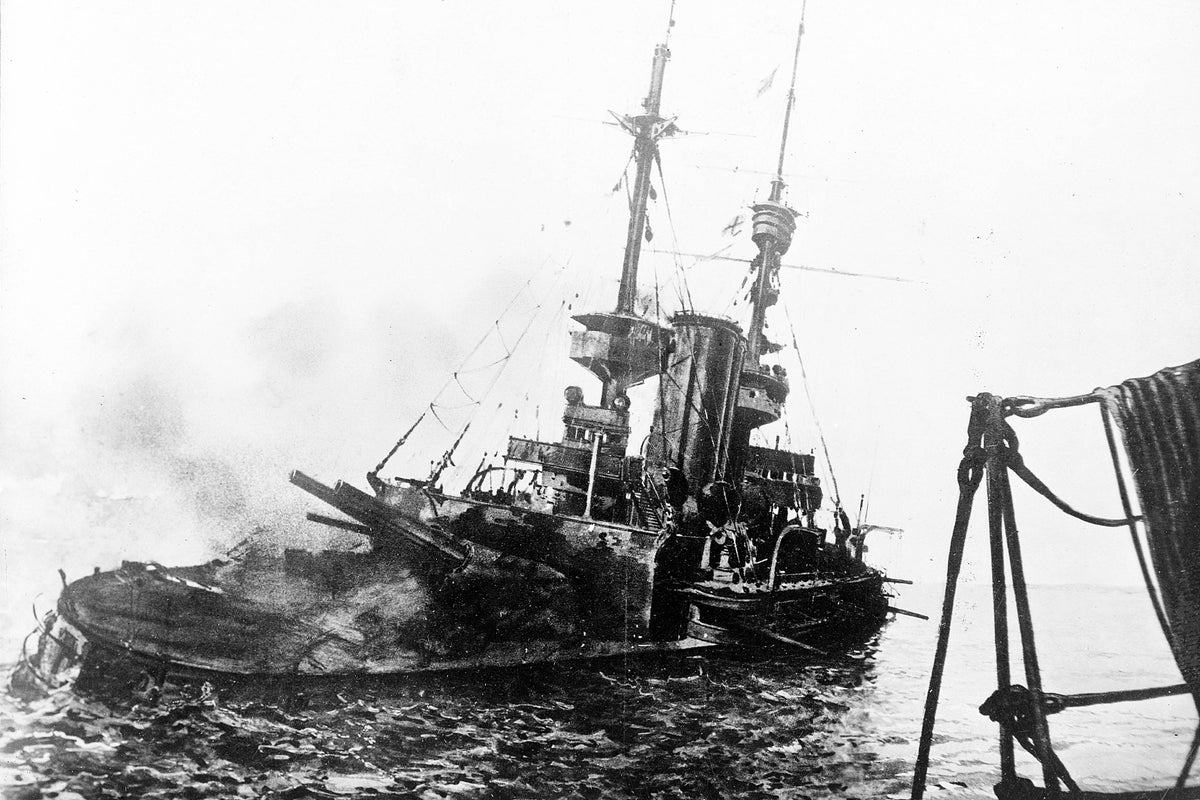
The article argues that reopening the Strait of Hormuz by force is highly risky and likely requires accepting significant casualties, drawing a parallel to the 1915 Dardanelles disaster. It highlights how mines and shoreline defenses can defeat superior naval power, implying elevated geopolitical and shipping risk for a critical global energy chokepoint. The message is cautionary for markets because prolonged closure or military escalation could disrupt trade and oil flows.
The market implication is less about a clean energy shock and more about a convexity regime: if the strait remains even partially interdicted, the first-order move is higher freight, wider insurance premia, and a sharper front-end spike in crude and LNG while downstream margins compress. The bigger second-order effect is that buyers don’t need a full closure to change behavior; even intermittent harassment is enough to force precautionary inventory builds and rerouting, which can tighten prompt barrels and raise delivered gas costs across Asia and Europe.
The key loser set is the transport stack tied to Gulf flow optionality: tanker operators, marine insurers, and refiners with limited feedstock flexibility. Asian utilities and petrochemical names are more exposed than US producers because they face both higher landed input costs and potential volume disruptions, while US shale and North American midstream are relative beneficiaries if global differentials widen and export economics improve. If the market starts pricing a months-long risk window rather than a days-long headline, the real trade becomes relative winners from volatility, not a simple outright energy beta trade.
Consensus may be underestimating how hard it is to normalize shipping even after military de-escalation. Once shipowners and insurers re-rate the corridor, reopening is not binary; it can take several weeks for traffic to fully recover, which keeps the tail of energy prices elevated after the news flow fades. That creates a trap for shorts that assume a fast reversion, especially if the response remains asymmetric and below the threshold of a conventional military escalation.
The contrarian angle is that the market may overprice a sustained physical supply loss if the closure is more deterrence than execution. In that case, the unwind could be violent: prompt crude spikes first, then collapses once passage is restored and inventories are shown to be adequate. The best risk/reward is therefore in upside convexity rather than directional outright exposure.
AI-powered research, real-time alerts, and portfolio analytics for institutional investors.
Request DemoOverall Sentiment
mildly negative
Sentiment Score
-0.25
