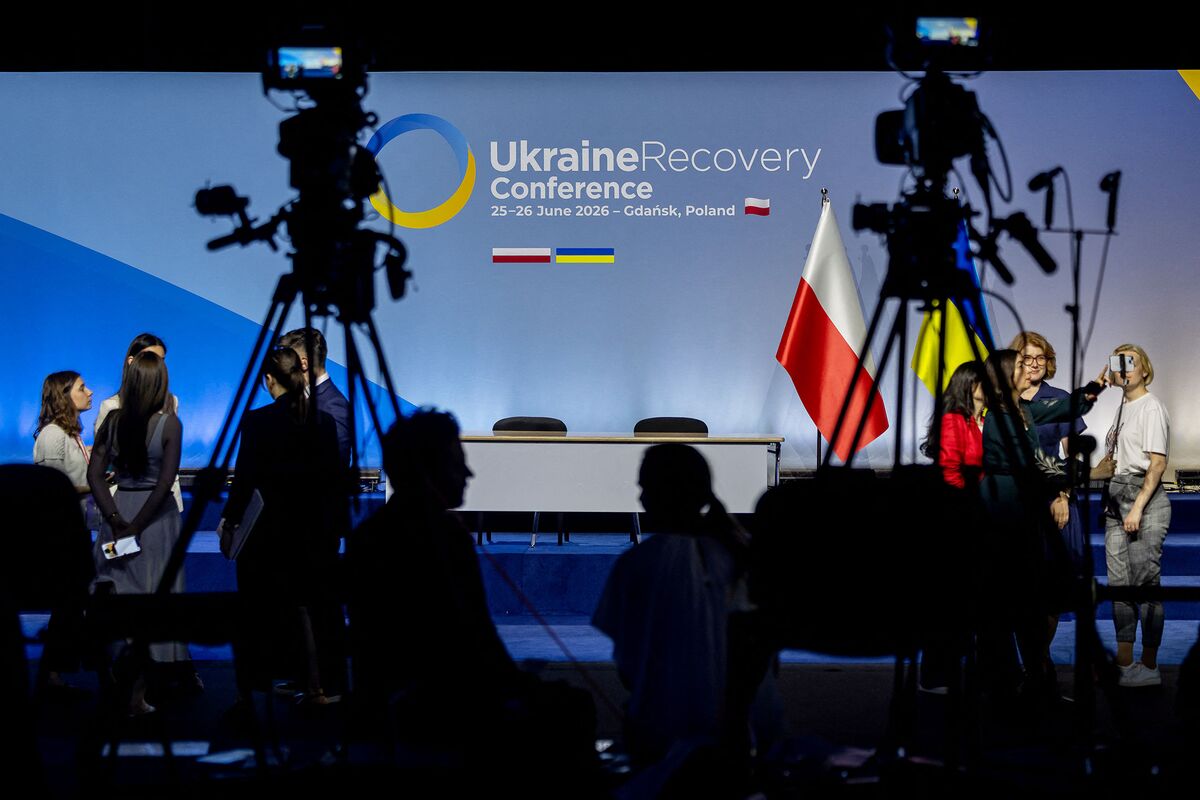
Polish firms are stepping up expansion plans into Ukraine despite a recent Warsaw–Kyiv diplomatic dispute, with demand for financing rising at state development bank BGK SA. BGK’s deputy CEO Marta Postula cited growing requests for funding mature infrastructure and energy projects in recent months. The tone is largely neutral/observational, with potential incremental credit and project flow implications rather than an immediate market-wide shock.
The market implication is less about a one-day headline and more about a re-opening of regional capital allocation. If Polish firms are still leaning into Ukraine, the near-term winner set is the financing stack: BGK-linked lenders, large Polish commercial banks, and anyone providing guarantees, insurance, or FX hedges. The operating leverage sits with contractors and grid/energy equipment suppliers, because once projects clear underwriting, the incremental margin is in execution and procurement, not in the announcement.
The second-order effect is competitive displacement. Polish firms have proximity, logistics, and local execution familiarity that can let them win mid-sized reconstruction work ahead of larger Western EPCs that require more process and higher overhead. That creates a structural advantage for Warsaw-listed infrastructure names, but only if security, payment assurance, and convertibility risk are actually transferred off balance sheet. Without that de-risking, the economic value accrues mostly to banks and guarantors rather than to builders.
Time horizon matters: the immediate move should be muted, but 1-3 months of signed mandates and financing approvals could re-rate selected Polish banks and contractors; the 6-18 month story is a larger Ukraine reconstruction channel. The contrarian point is that consensus may be overestimating conversion from political intent to revenue, because cross-border project finance often stalls at insurance, permitting, and sovereign-risk layers. The thesis is falsified if BGK demand does not translate into funded deals, or if diplomatic friction escalates into administrative barriers that slow disbursement despite corporate appetite.
AI-powered research, real-time alerts, and portfolio analytics for institutional investors.
Overall Sentiment
neutral
Sentiment Score
0.05
