

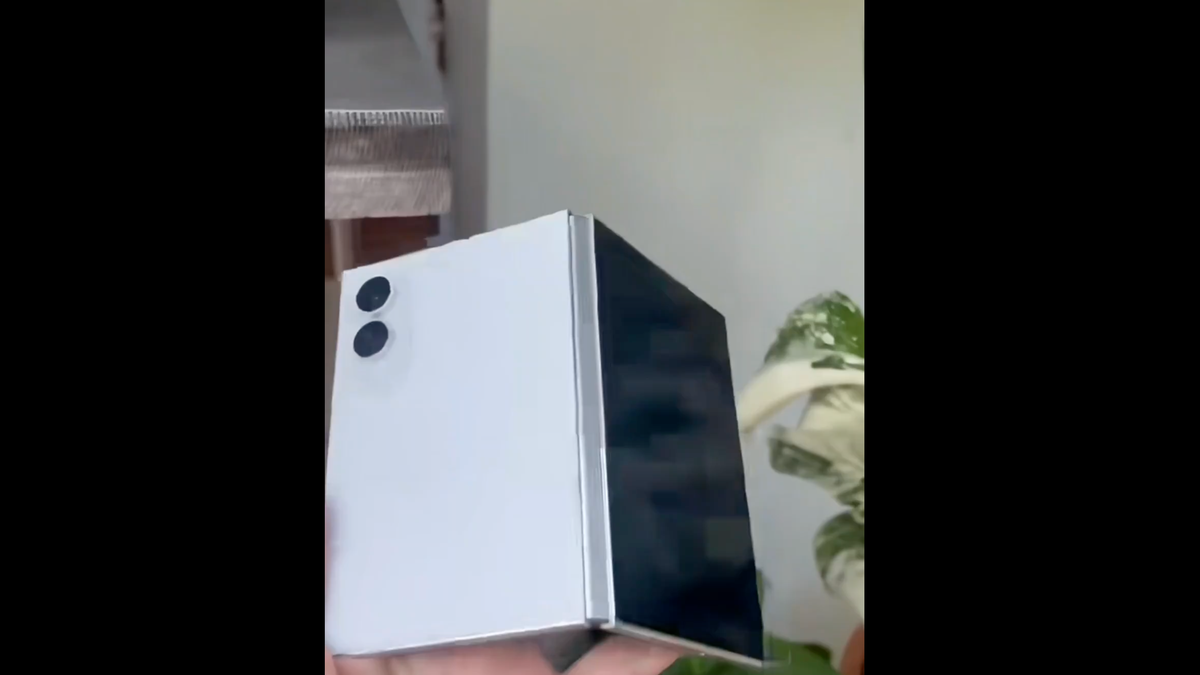
Samsung’s Galaxy Z Fold 8 wide-foldable design was leaked in public testing, with a 7.6-inch inner display and 4:3 aspect ratio that may appeal to users seeking a more compact book-style foldable. The article also suggests the tall Galaxy Z Fold 8 may be branded as the Ultra and notes Samsung may be considering discontinuing the Flip series due to weaker sales. This is product-cycle commentary with limited immediate market impact.
The signal here is less about one handset and more about Samsung tightening its foldable segmentation to defend share against a maturing category. A wider-format book foldable is a rational response to the core adoption problem: the traditional narrow cover screen creates habitual friction, while the larger inner display has been overkill for many buyers. If Samsung executes, this could lift conversion among premium upgraders without needing a broader market expansion, which is why the first-order impact is more mix shift than unit explosion.
The second-order effect is that a cleaner product ladder can compress internal cannibalization. If Samsung pushes a clearer split between a “mainstream premium” wide fold and a more niche ultra-thin/large model, the biggest loser may be its own flip-style device rather than external competitors. That matters for component suppliers because hinge, display, and battery demand may become more concentrated in the foldable book form factor, improving visibility for the winners while reducing order optionality for the weaker SKU family.
For Apple, this is mildly relevant as a category read-through rather than an immediate financial catalyst. A wider folding phone strengthens the argument that premium consumers will pay for utility over novelty, which slightly raises the bar for Apple’s eventual foldable entry by reducing room for a purely “late but polished” launch. If Samsung’s redesign lands well, it could also normalize a higher price point and extend the life cycle of foldables from enthusiast purchase to mainstream premium upgrade, a multi-quarter demand tailwind for the category.
The contrarian view is that design tweaks alone rarely solve foldables’ core adoption constraints: durability skepticism, software optimization, and repair economics still dominate purchase decisions. The market may be overestimating near-term unit upside if it assumes a better aspect ratio automatically unlocks mass demand; the more likely path is incremental share gain within premium Android, not a step-function breakout. The key risk is that pre-launch excitement fades after reviews reveal limited real-world differentiation versus the current large-format foldables.
AI-powered research, real-time alerts, and portfolio analytics for institutional investors.
Request TrialOverall Sentiment
neutral
Sentiment Score
0.12
Ticker Sentiment
