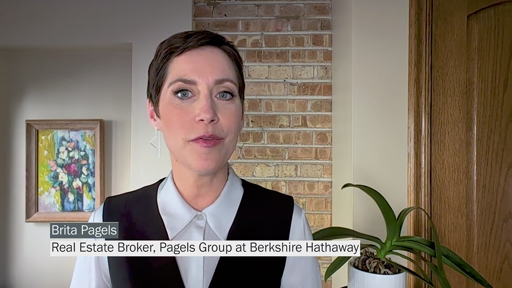
The article provides buyer guidance for historic/landmark home purchases, emphasizing early financial planning for restorations using potential tax credits, grants, or loans. It highlights landmark-status restrictions, the need for experienced inspectors familiar with older construction (e.g., knob-and-tube wiring), and ongoing maintenance and insurance tailored to historically accurate restoration.
This is not a macro housing signal; it is a niche transaction-quality reminder. Any economics sit several layers down the P&L chain: inspection fees, specialty insurance premiums, and restoration spend are too small and too idiosyncratic to move BRK.B or CRMT estimates in the next quarter. The more relevant beneficiaries, if any, would be local contractors, specialty insurers, and materials suppliers tied to historic restoration — but even there the upside is fragmented and mostly uninvestable at scale.
The consensus risk is misreading preservation rhetoric as a broad tailwind for housing. In reality, landmark status raises friction costs and can suppress turnover, which is slightly negative for brokers, mortgage originators, and renovation-adjacent retailers on a 1-3 month horizon; any offset from tax credits is policy-dependent and slow to show up. Over 6-18 months, the only durable effect is a premium for homes in protected districts, which helps owners with long holding periods but does little for public equities unless there is a material change in state/federal incentives or insurer pricing for older properties.
For BRK.B, the only plausible read-through is minor insurance premium uplift, but that is more than offset by the fact that historic-home coverage is a rounding error in a diversified book. For CRMT, the article has no economic linkage; any trading on it would be noise. The real falsifier for a bullish preservation thesis would be an expansion in tax-credit programs or evidence that specialty insurers are widening spreads on older-housing books; absent that, there is no durable trade here.
AI-powered research, real-time alerts, and portfolio analytics for institutional investors.
Request DemoOverall Sentiment
neutral
Sentiment Score
0.05
Ticker Sentiment
