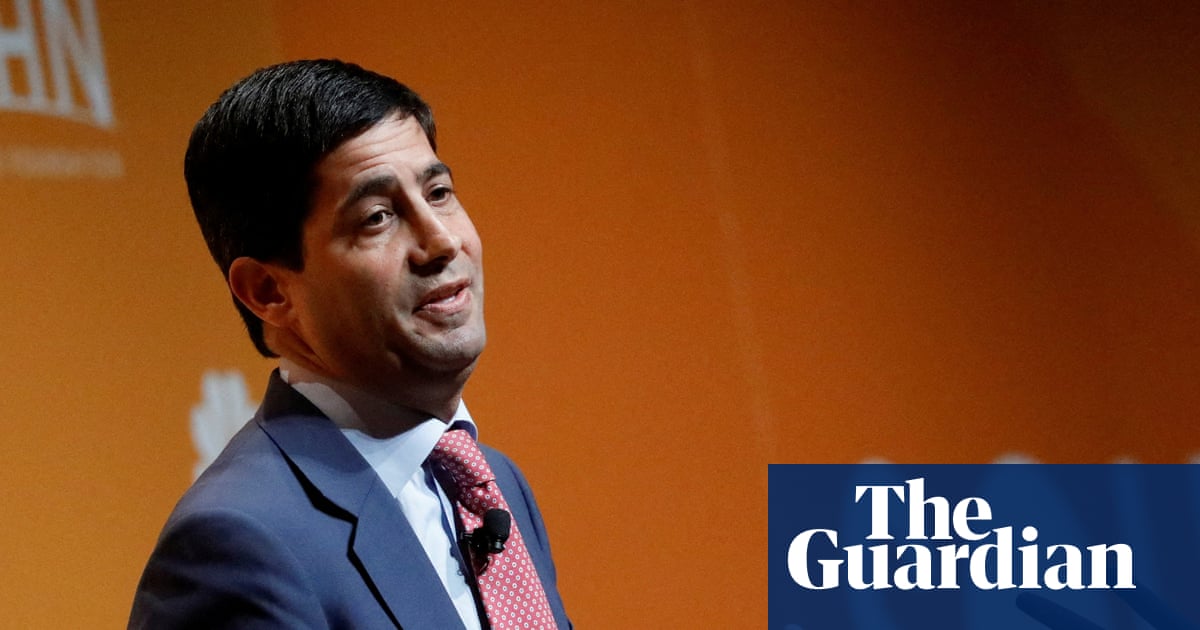
Kevin Warsh’s Fed chair nomination is advancing into a contentious Senate hearing, with Trump pushing for rate cuts and threatening to fire Jerome Powell if Warsh is not confirmed by May 15. The article highlights a possible Republican block over the criminal investigation into Powell, plus scrutiny of Warsh’s $100m+ asset disclosures. If confirmed, Warsh would still need support from the Fed’s 11 other board members to deliver lower rates.
The market implication is less about a single nominee and more about a potential regime shift in the Fed’s reaction function. If a politically aligned chair is installed, the first-order move is not simply lower front-end rates; it is a steeper political discount on the Fed’s independence, which can push term premia higher even if the policy rate path falls. That combination is usually supportive for banks in the very near term via wider NIM expectations, but it becomes toxic if it triggers a credibility shock that lifts long-end yields and tightens financial conditions.
The second-order winner is JPM over MS. In a softer-rate, steeper-curve outcome, JPM’s balance-sheet-heavy model can monetize deposit beta lag and lending spreads faster than a market-sensitive platform like MS, whose revenues are more exposed to capital markets volatility if policy uncertainty depresses risk appetite. If the hearing or nomination drags into a bruising public fight, the loser is not just the Fed: dealmaking, issuance, and trading advisory momentum can stall for weeks as CEOs wait for clarity on rates and regulatory posture.
The key contrarian point is that a more dovish chair is not automatically equity-bullish. If investors start pricing a Fed that yields to political pressure, breakeven inflation and the 10-year term premium can both reprice higher, especially with existing supply and geopolitical shocks. That would compress P/E multiples while helping financials at the expense of rate-sensitive duration assets; the cleanest expression is not long banks in isolation, but long steepeners and relative value within financials.
Catalyst timing matters: the hearing is a days-to-weeks event, but the bigger trade window is the 1-3 month period around Powell’s May expiration. A failed confirmation or prolonged legal fight would be a volatility event for rates and bank-beta; a smooth confirmation likely keeps the front end anchored lower, but the larger risk is an inflation-credibility repricing if Trump openly conditions policy on nominations. The market is probably underpricing how quickly that narrative can steepen the curve without any actual cut.
AI-powered research, real-time alerts, and portfolio analytics for institutional investors.
Request TrialOverall Sentiment
neutral
Sentiment Score
-0.08
Ticker Sentiment
