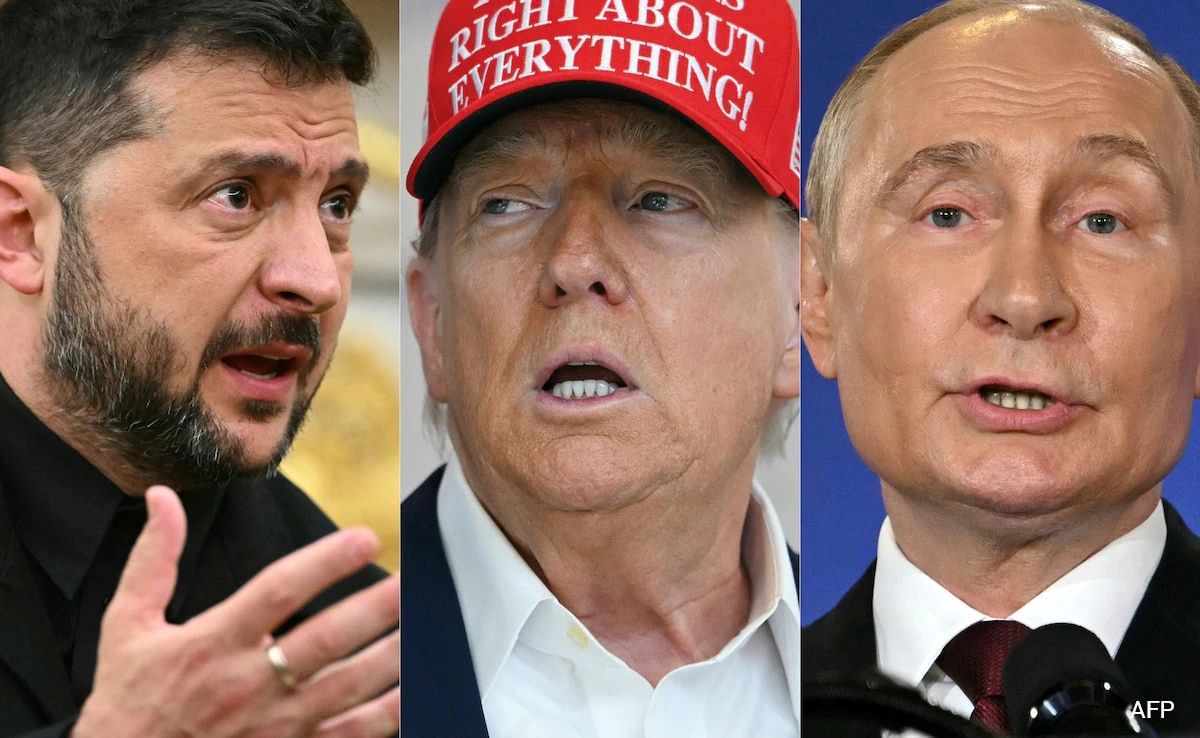
Russia denied a Politico report that its envoy Kirill Dmitriev offered to stop sharing intelligence with Iran if the US ceased providing intelligence on Russia to Ukraine; Politico said the proposal was made during Miami talks and the US rejected it. Dmitriev and the Kremlin labeled the story fake, though separate reporting earlier alleged Russia passed sensitive intel (including locations of US warships and aircraft) to Iran — which Moscow also denied. The White House said President Trump would be unhappy if Russia shared intel with Iran, while Trump and US envoy Steve Witkoff offered more measured public comments, leaving near-term policy or market implications uncertain.
The noisy denial-and-leak cycle functions as deliberate ambiguity: both capitals preserve optionality while testing domestic political reactions. That raises a persistent operational risk premium for forward-deployed US and allied assets — not a structural shift overnight, but a trigger for higher short-term ISR tasking and contingency logistics spending over the coming weeks.
Second-order winners are specialized ISR and space-imagery vendors plus niche analytics and sanctions-compliance software providers; budgets to buy data/contracted collection can be scaled within 30–90 days, producing outsized revenue acceleration relative to broad defense primes. Conversely, sectors exposed to routing/insurance through the Middle East (shipping, regional airlines) face higher variable costs immediately if underwriters widen premiums by even 10–25% on perceived escalation.
Politically, ambiguity reduces the cost of tactical compromises for executives while increasing oversight tail-risk: expect hearings, export-control scrutiny, and targeted sanctions in a 3–12 month window if corroborative intelligence surfaces. That makes companies with transparent supply chains and U.S.-anchored contract book the higher-probability beneficiaries.
Contrarian read: markets will reflexively bid big-cap defense names and gold on headlines; the higher-expected payoff is in mid-cap ISR/satellite equities and reinsurers that reprice premiums faster. Tactical volatility is the main tradeable — not a one-way secular re-rating — so prefer option-defined, calendar-limited exposures rather than outright multi-year longs.
AI-powered research, real-time alerts, and portfolio analytics for institutional investors.
Request DemoOverall Sentiment
neutral
Sentiment Score
0.00
