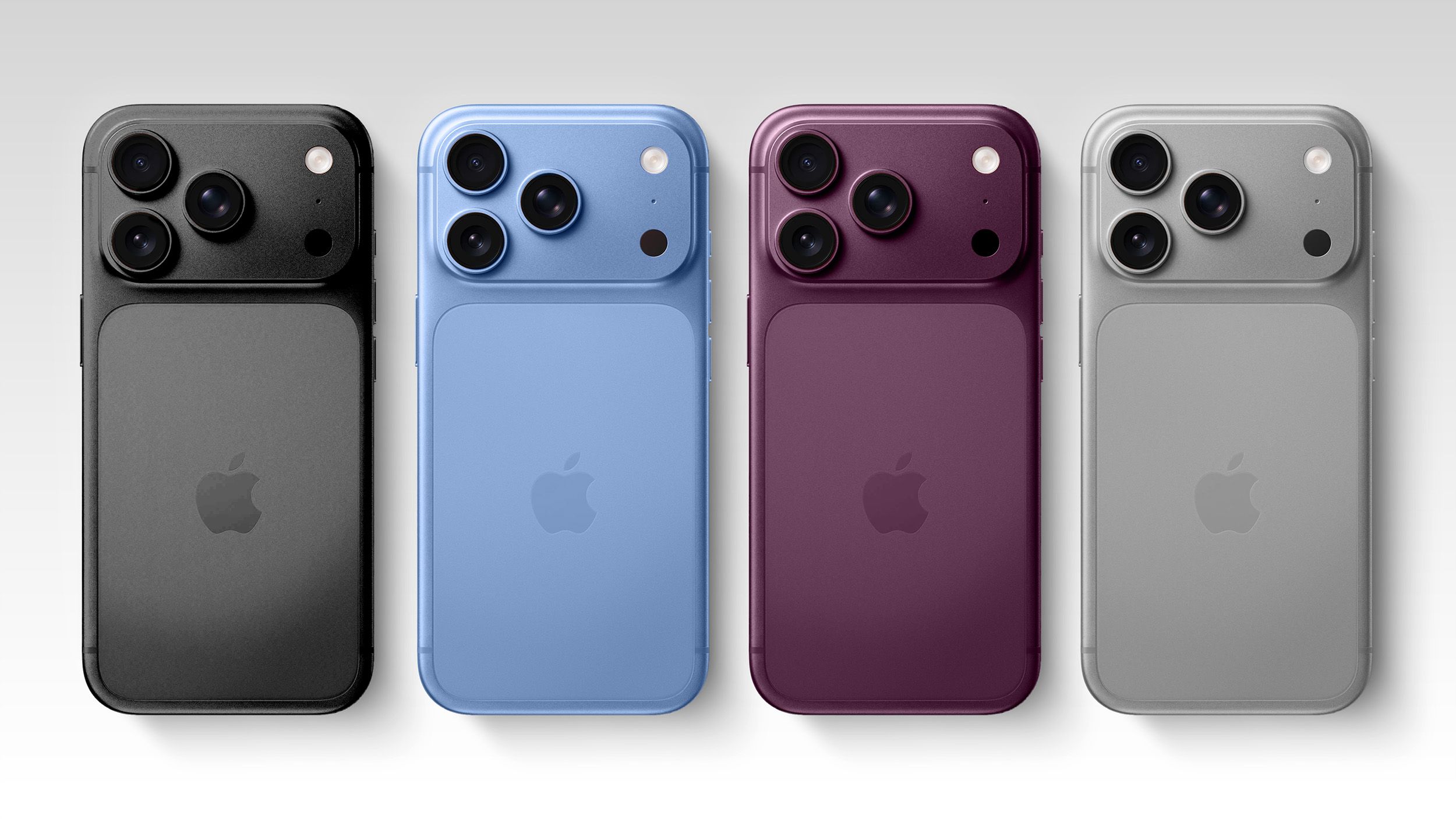
Apple’s iPhone 18 Pro lineup is expected in September with incremental hardware upgrades, including a smaller Dynamic Island, LTPO+ displays, a variable-aperture 48MP main camera, and the A20 Pro chip on TSMC’s first-generation 2nm process. Other rumored changes include a C2 modem with 5G satellite web browsing, a next-gen N2 chip, simplified Camera Control, and a redesigned rear Ceramic Shield. The article is rumor-driven and product-focused, with limited near-term market impact but some support for the premium iPhone upgrade cycle.
This reads as a classic “spec sheet inflation, earnings reality unchanged” setup for AAPL. The incremental hardware changes are meaningful mainly as mix-support, not unit-driver: Apple is trying to preserve premium pricing and defend upgrade cycles while avoiding a visibly radical design reset that could compress gross margin via higher scrap, more complex assembly, or weaker yields.
The bigger second-order beneficiary is TSM. If Apple is באמת moving the flagship SoC to first-gen 2nm on a top-end SKU first, that reinforces the premium-node concentration trend and improves TSM’s pricing power into the next cycle. The risk is that early-node yields and packaging complexity become the gating item, which can create short-term noise on launch timing but usually strengthens TSM’s bargaining position if Apple has limited foundry optionality at the leading edge.
For AAPL, the market is likely underestimating how much of the narrative is now tied to network-level features, modem autonomy, and battery efficiency rather than flashy AI. That shifts the investment debate from ‘wow factor’ to ‘upgrade necessity’ in a market where consumer replacement cycles are still stretched; modest feature deltas may be enough to stabilize demand, but not enough to drive a supercycle. The contrarian takeaway is that the launch risk is asymmetric: if the smaller UI changes disappoint, the stock may drift, but any credible battery-life or connectivity improvement can still support premium ASPs and reduce returns sensitivity.
The main catalyst window is 1-2 quarters before launch, when supplier checks and yield commentary will tell us whether the 2nm ramp and modem integration are real or promotional. A failure on either would matter more than cosmetic choices, because Apple’s premium thesis now hinges on reliability and efficiency, not form factor alone.
AI-powered research, real-time alerts, and portfolio analytics for institutional investors.
Request DemoOverall Sentiment
neutral
Sentiment Score
0.10
Ticker Sentiment
