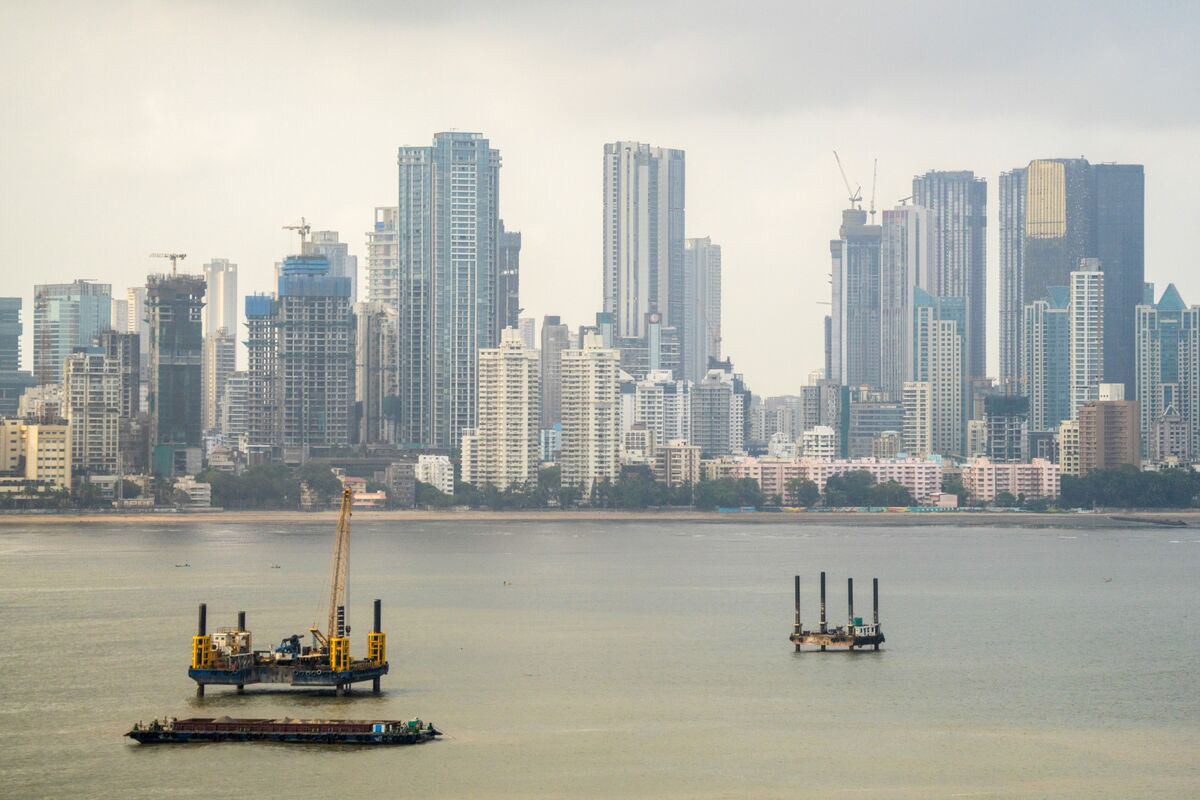
The Brihanmumbai Municipal Corp. plans to raise up to 95 billion rupees ($992 million) in one or more municipal bond tranches, marking a first step into the local-currency debt market. The funding effort is notable for India’s largest civic body and could set a benchmark for other municipal issuers, but the article reports only a proposal and tender process, not a completed deal.
This is less a one-off funding event than a signaling trade for India’s municipal market: if a high-quality metro body can clear issuance at scale, it creates a reference curve for quasi-sovereign local borrowers and pressures banks to reprice infrastructure credit. The secondary effect is a gradual shift of funding for urban capex away from balance sheets of state-owned lenders and toward domestic bond investors, which could widen spread dispersion between top-tier and weaker municipalities over the next 6-18 months. The biggest beneficiary is the execution ecosystem around the deal, not the issuer itself: arrangers, ratings shops, trustees, and infrastructure consultancies get a template that can be replicated if the paper prices tightly. The loser is traditional bank lending margins to urban infrastructure, especially if the bond is tax-efficient or carries implied state support; that can cannibalize lending volumes in a segment where banks have historically relied on relationship pricing and opacity. The main risk is not demand for the first deal, but credibility after launch. If execution slips, coupon levels clear too wide, or collection/revenue backing looks politically fragile, the market will treat this as a bespoke funding event rather than a scalable asset class, delaying follow-on issuance by quarters. Watch for three catalysts: arranger selection, final tenor/coupon, and whether domestic institutions take it down versus public-sector banks absorbing it for inventory. The contrarian view is that this is bullish for Indian muni credit only in appearance; a successful issue may actually highlight how shallow the true buyer base is. If the deal needs heavy quasi-directed placement, it would imply that local-currency long-duration demand is still underdeveloped, making the asset class vulnerable to rate volatility and liquidity discounts when India’s sovereign curve moves higher.
AI-powered research, real-time alerts, and portfolio analytics for institutional investors.
Request DemoOverall Sentiment
neutral
Sentiment Score
0.10
