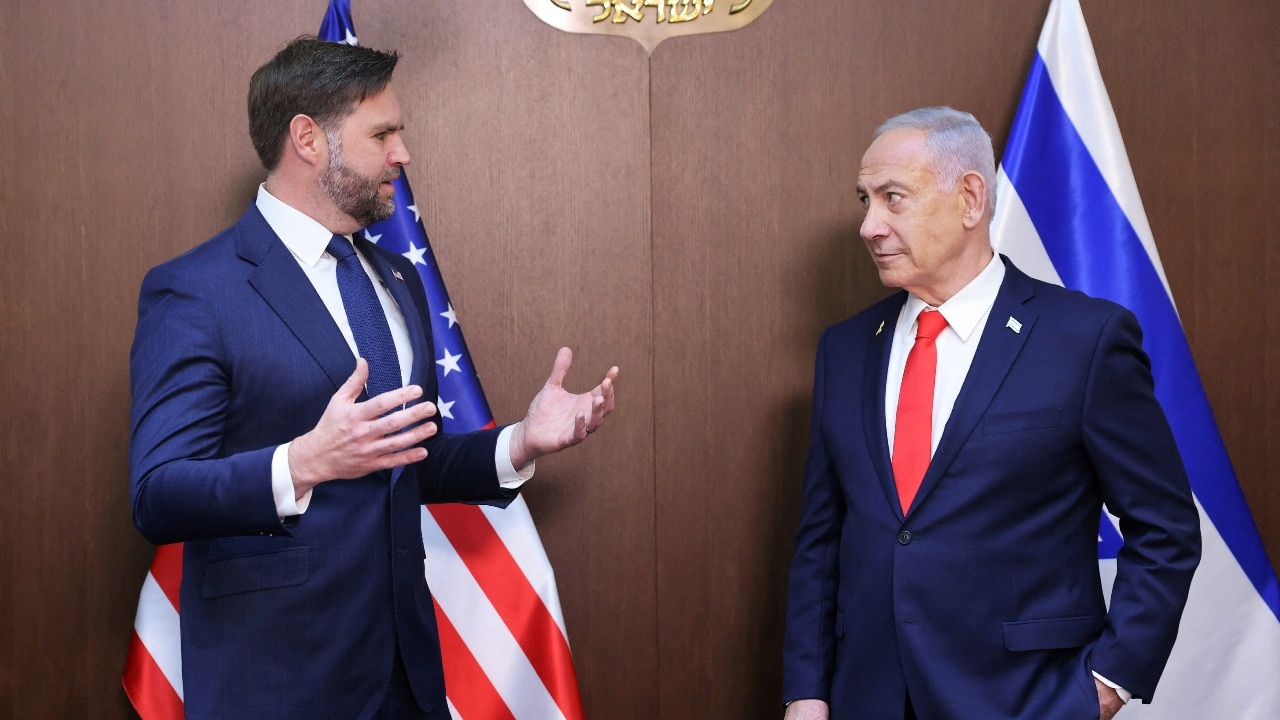
Iran-US talks in Pakistan ended after more than 21 hours without an agreement, with Tehran alleging a Netanyahu call to JD Vance disrupted the negotiations. The failure to bridge gaps over Iran's nuclear program, following recent US and Israeli strikes on Iran, keeps geopolitical risk elevated and may pressure regional stability and energy flows. The US said it made a 'final and best offer,' while Iran said it remains committed to protecting its interests and sovereignty.
The market implication is less about the failed talks themselves and more about the growing probability that diplomacy is being subordinated to alliance management. If Washington is perceived as unable to negotiate independently, the odds of a durable de-escalation fall, which keeps an energy-risk premium embedded even if spot prices do not immediately spike. That tends to favor crude volatility over outright direction: the bigger second-order effect is a wider range for forward oil and refined-product margins, not necessarily a straight-line move higher. The near-term winners are producers and defense names with geopolitical optionality, while the losers are airfreight, chemicals, and other energy-sensitive cyclicals that depend on stable Middle East flows. The more interesting trade is in shipping and insurance: even absent fresh kinetic escalation, headline risk raises war-risk premia and rerouting costs, which can tighten tanker availability and support freight rates over the next several weeks. That creates a lagged margin hit for industrial importers before it shows up in consumer inflation. A key contrarian point: the failed meeting may actually reduce the probability of a larger shock because both sides now have clearer negotiating boundaries and less illusion about quick breakthroughs. If the next 2–6 weeks bring even small technical follow-up talks, the premium can collapse quickly. So the best asymmetry is to own near-dated volatility rather than chase a one-way directional commodity view. The broader political angle is that any perception of outside interference hardens domestic positions in Tehran and weakens moderates on both sides, making the next negotiation round harder, not easier. That increases tail risk over a months-long horizon, but the first tradeable reaction is likely in cross-asset volatility and sector dispersion rather than equities beta. In other words: own the protection that benefits from uncertainty persistence, not the exposure that needs immediate peace.
AI-powered research, real-time alerts, and portfolio analytics for institutional investors.
Request DemoOverall Sentiment
mildly negative
Sentiment Score
-0.25
