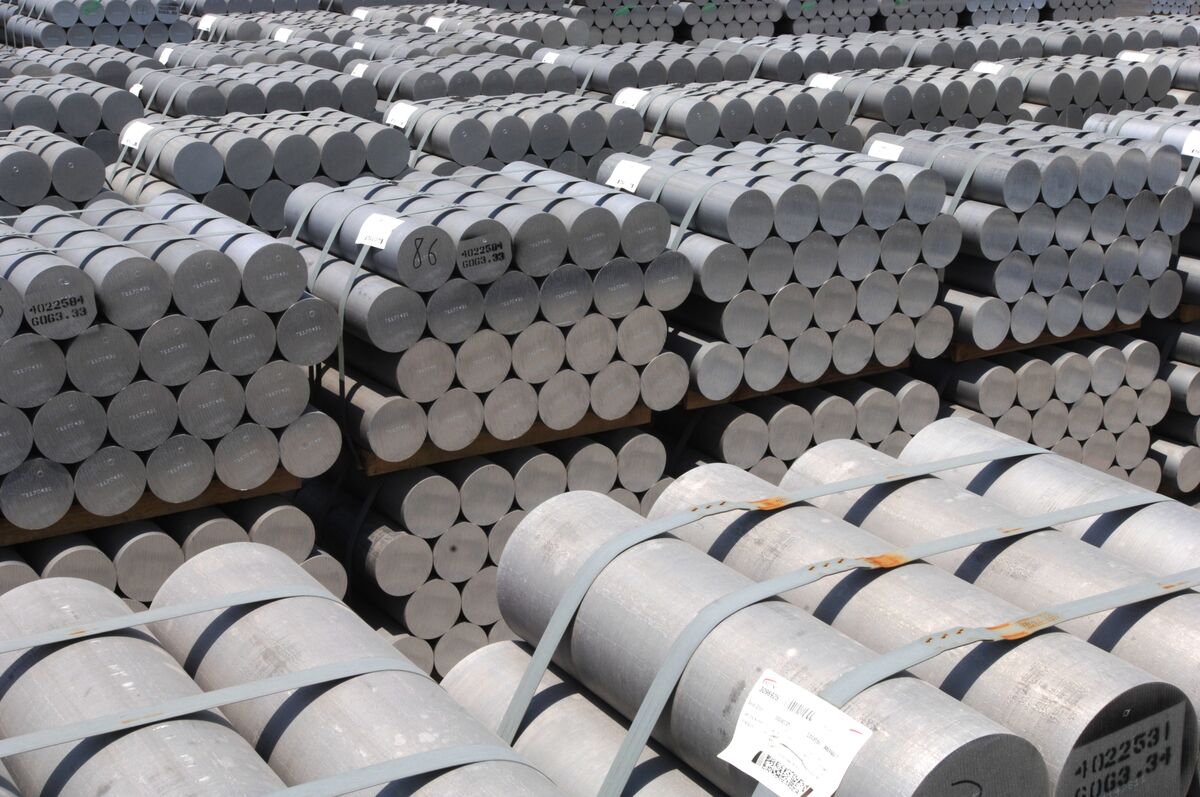
Aluminium Bahrain BSC has initiated a phased shutdown of three production lines, reducing about 19% of its capacity (≈304,000 tons/year) from its 1.6 million tpa single-site smelter to conserve raw-material supplies. The cut lowers output at the world’s largest single-site smelter and could tighten regional/global aluminum availability, potentially supporting prices and affecting downstream suppliers. Monitor company updates for the shutdown duration and any indications of raw-material constraints or broader supply impacts.
A concentrated, idiosyncratic removal of primary supply tends to amplify regional cash spreads more than headline benchmark moves: expect cash-LME spreads to widen materially in the near term (order of magnitude $50–$150/ton) and prompt premiums in Middle East/Europe to spike over 30–90 days as traders re-run logistics and tolling math. Because global primary inventories are relatively thin, this shock will front-load draws into the prompt curve even if physical barrels (metal) reappear later through arbitrage or secondary channels.
Secondary aluminum and scrap flows are the key moderating mechanism. Scrap substitution can mitigate a non-trivial portion of the shortfall—likely in the low tens of percent—within 3–6 months, but only if scrap logistics, treatment charges and melting capacity in key markets free up quickly; treatment-charge volatility will be the hidden lever that moves spreads and producers’ margins. Low-marginal-cost producers (hydro/vertically integrated miners) will see outsized cash flow leverage; conversely, downstream fabricators and canners face margin pressure, working-capital drawdowns and hedging costs in the near term.
Main reversal catalysts are policy and supply: rapid Chinese re-export or restart of curtailed capacity could cap gains within 2–4 months, while prolonged alumina or power constraints would extend the tightness into quarters. The consensus risk is underestimating the speed at which scrap flows and treatment charge moves can either exacerbate or neutralize the shock—this makes duration (1–3 months vs 6–12 months) the single most important framing for any position: short-term trades should be tactical and option-weighted; longer-term takes should favor low-cost integrated producers.
AI-powered research, real-time alerts, and portfolio analytics for institutional investors.
Request DemoOverall Sentiment
mildly negative
Sentiment Score
-0.25
