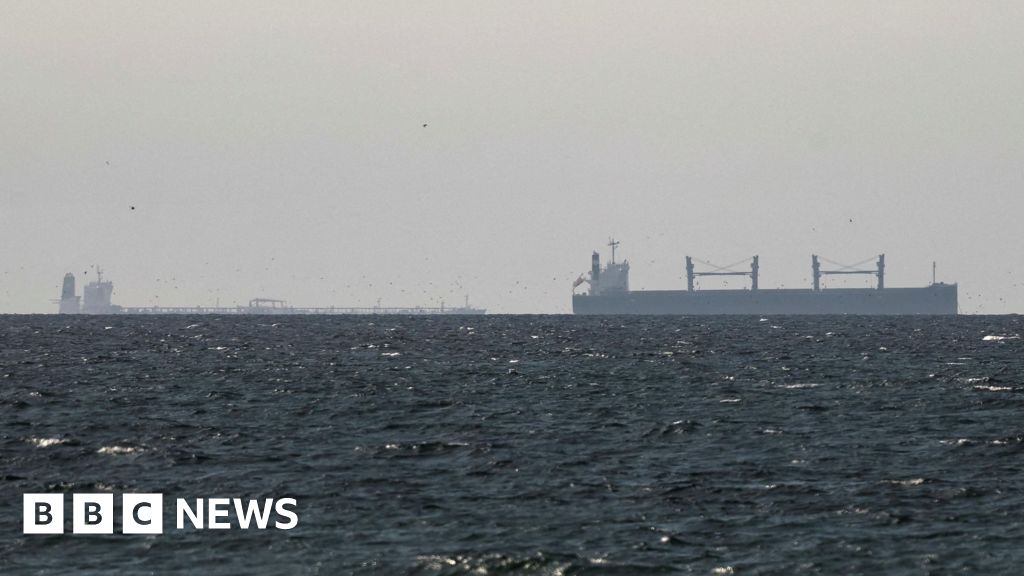
Iran said it is again closing the Strait of Hormuz to commercial vessels and will target any ship that approaches, after reports that tankers and other vessels were attacked near the chokepoint. The route carries about 20% of global oil and LNG flows, and the conflict has already driven crude above $100 a barrel at points. With the US blockade ongoing and the ceasefire set to expire on 22 April, the escalation poses a major shock to energy and shipping markets.
This is no longer a pure oil call; it is a convexity event around shipping reliability. The first-order effect is a higher spot energy price, but the bigger second-order impact is that risk premiums reprice across every contract tied to Gulf transit reliability: LNG term cargoes, time-sensitive refinery feedstocks, and Asia-bound container freight. Even brief reopenings followed by renewed closures are worse than a stable blockade because they force charterers to pay up for optionality, idle tonnage, and reroute inventory buffers, which can sustain freight inflation longer than the headlines.
The market is likely underestimating the asymmetry between physical and financial exposure. Integrated producers with coastal export flexibility can monetize the spike, but the real winners are firms with low Gulf dependency and high exposure to substitution demand: non-Gulf LNG exporters, US coastal infrastructure, and alternative maritime routing beneficiaries. Conversely, refiners and airlines are vulnerable not just to crude, but to a widening crack-spread squeeze as middle distillates and jet fuel lag headline crude initially, then catch up once inventories deplete over 2-6 weeks.
The key catalyst window is days, not months: any successful attack on a commercial vessel or casualty near the strait would force immediate de-risking in energy, shipping, and industrial cyclicals. The main reversal would be credible enforcement of a ceasefire plus a verifiable maritime security corridor; absent that, the base case is repeated false-open/false-close cycles that keep vol elevated and cap the upside in equities. The contrarian read is that the market may already be pricing a durable disruption in crude, while underpricing the more durable winners in freight rates, marine insurance, and LNG routing spreads.
AI-powered research, real-time alerts, and portfolio analytics for institutional investors.
Request TrialOverall Sentiment
strongly negative
Sentiment Score
-0.75
