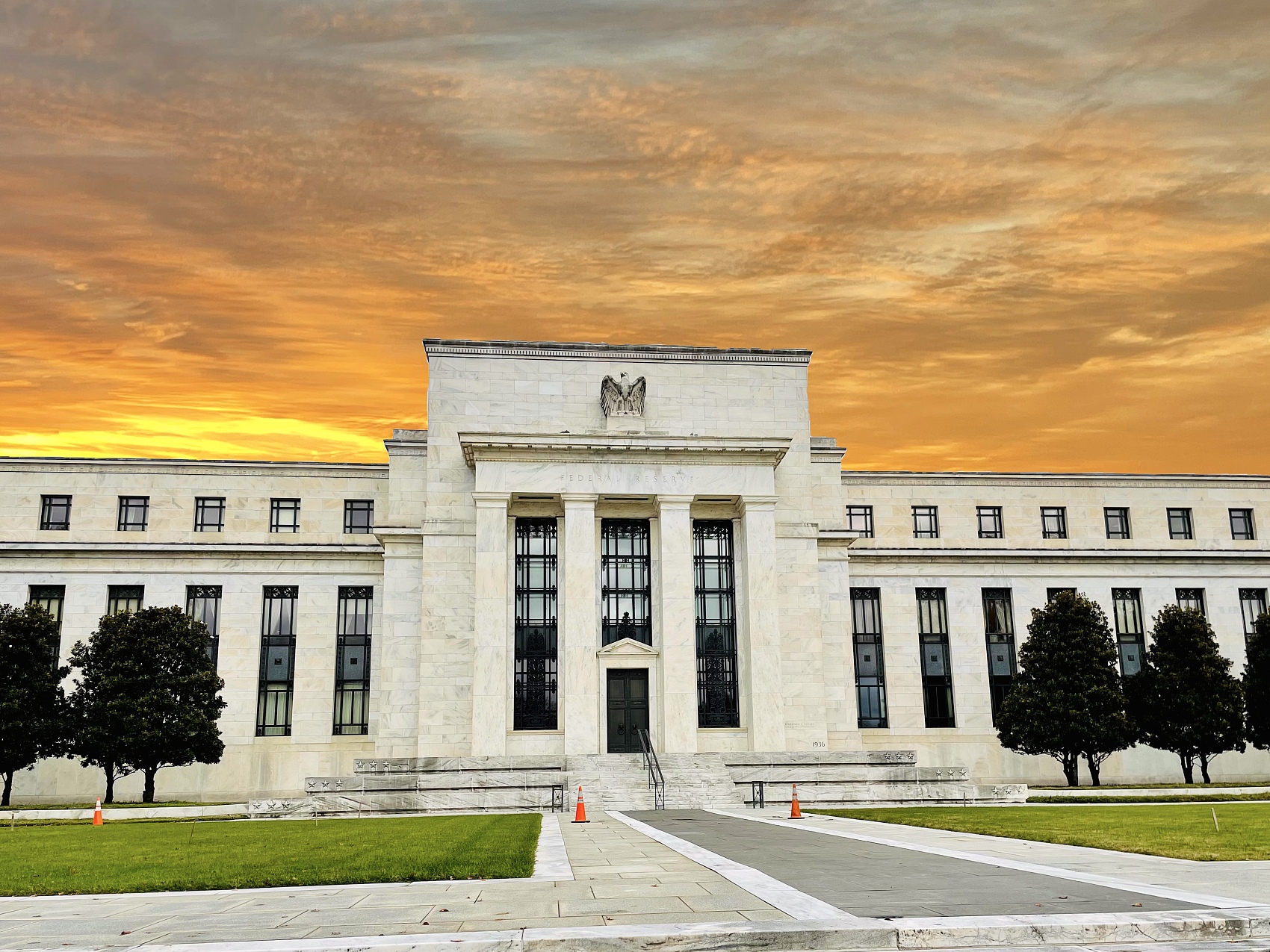
The article chronicles the historical rationale and operational framework for Federal Reserve independence—from the 1907 panic and the 1913 Fed founding to institutional features like 14‑year staggered governor terms, a 4‑year chair term, and a 12‑regional bank voting system—that are designed to insulate monetary policy from electoral pressures. It highlights empirical episodes, notably 1970s stagflation (inflation >13%) and Paul Volcker’s decision to push policy rates above 19% despite unemployment approaching 11%, as evidence that independence enables painful short‑term actions to restore long‑run stability; it also references the Fed’s evolving crisis roles in the Great Depression, the dot‑com bust, and 2008. The piece argues that this independence enhances predictability for markets (FX, equities, bonds) and contrasts outcomes with politically controlled central banks in Turkey, Argentina and Venezuela.
Market structure: A credible, independent Fed reduces political tail-risk and should compress inflation risk premia; that favors nominal Treasury duration and USD if breakevens fall 20–40bp over 3–12 months, while TIPS and high-duration growth names that price in persistent inflation are relative losers. Financials (regional banks) are a beneficiary of predictable, higher-for-longer policy via wider net interest margins, whereas utilities/REITs (high-duration yield plays) are more exposed to rate repricing if the Fed tightens.
Risk assessment: Low-probability/high-impact tail risks include overt political intervention or “fiscal dominance” (probability <10%) that could spike breakevens >150bp and blow out equity multiples; nearer-term catalysts are CPI/PCE prints, payroll shocks and Fed minutes over the next 90 days. Hidden dependencies: large fiscal deficits, EM FX stress and commodity shocks can flip a credibility-driven disinflation story into stagflation within 6–18 months. Monitor: consecutive CPI/PCE prints and 10y breakeven moves as 30–60 day accelerants.
Trade implications: Favor tactical nominal duration (7–10y) and USD appreciation trades if inflation prints decelerate; short real-return exposure (TIPS) and underweight long-duration growth if real yields rise. Use pair trades to rotate into financials vs utilities (KRE vs XLU) and employ 1–3 month options to express conviction around FOMC-forward guidance events.
Contrarian angles: The consensus assumes independence => lower volatility; misses that strong credibility can justify aggressive tightening, triggering a 3–9 month credit-spread widening and equity drawdown (Volcker parallel). Markets may underprice EM default/FX stress as USD appreciation and tighter global liquidity propagate — the cheaper hedge is targeted EM sovereign CDS and short high-leverage cyclicals.
AI-powered research, real-time alerts, and portfolio analytics for institutional investors.
Request DemoOverall Sentiment
mildly positive
Sentiment Score
0.28
