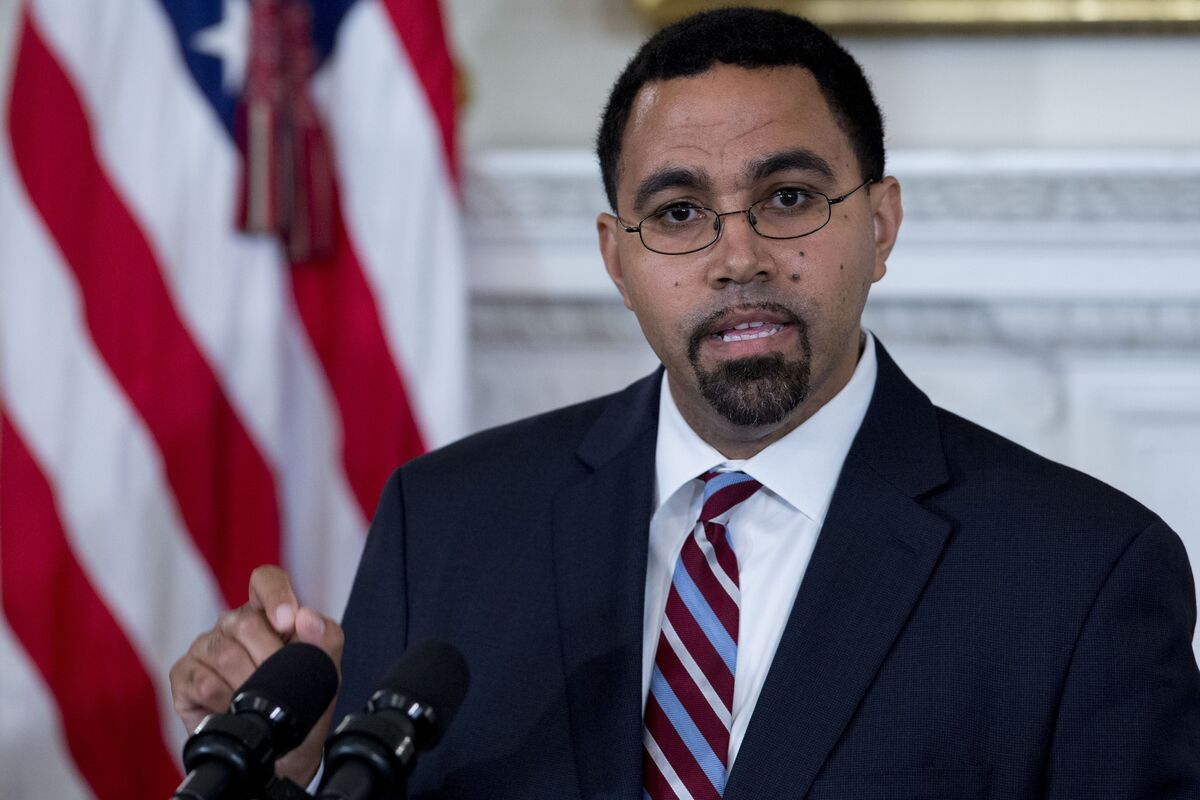
Former Education Secretary John King Jr. has cautioned that the Trump administration's moves to cut federal funding to research universities, citing concerns over antisemitism and transgender policies, could trigger a significant decline in innovation and a loss of leading academic talent. The administration's actions, which include canceling contracts with private colleges, are raising concerns about the long-term impact on the higher education sector and U.S. competitiveness.
Former U.S. Education Secretary John King Jr. has articulated a significant concern that efforts by the Trump administration to withdraw federal funding from major research universities could precipitate a lasting decline in U.S. innovation and an exodus of leading academic talent. The administration's actions, reportedly including the cancellation of contracts with some private colleges, stem from dissatisfaction with how university leaders have addressed antisemitism and their policies regarding transgender athletes in women's sports. These developments, characterized by a 'strongly negative' sentiment (-0.7) and a 'pessimistic' tone, signal potential adverse impacts on the higher education sector's research capabilities and, consequently, on overall U.S. competitiveness, particularly in technology and innovation. A market impact score of 0.4 suggests a recognized, though moderate, potential for broader economic repercussions stemming from these politically and regulatory-driven changes.
AI-powered research, real-time alerts, and portfolio analytics for institutional investors.
Request DemoOverall Sentiment
strongly negative
Sentiment Score
-0.70
