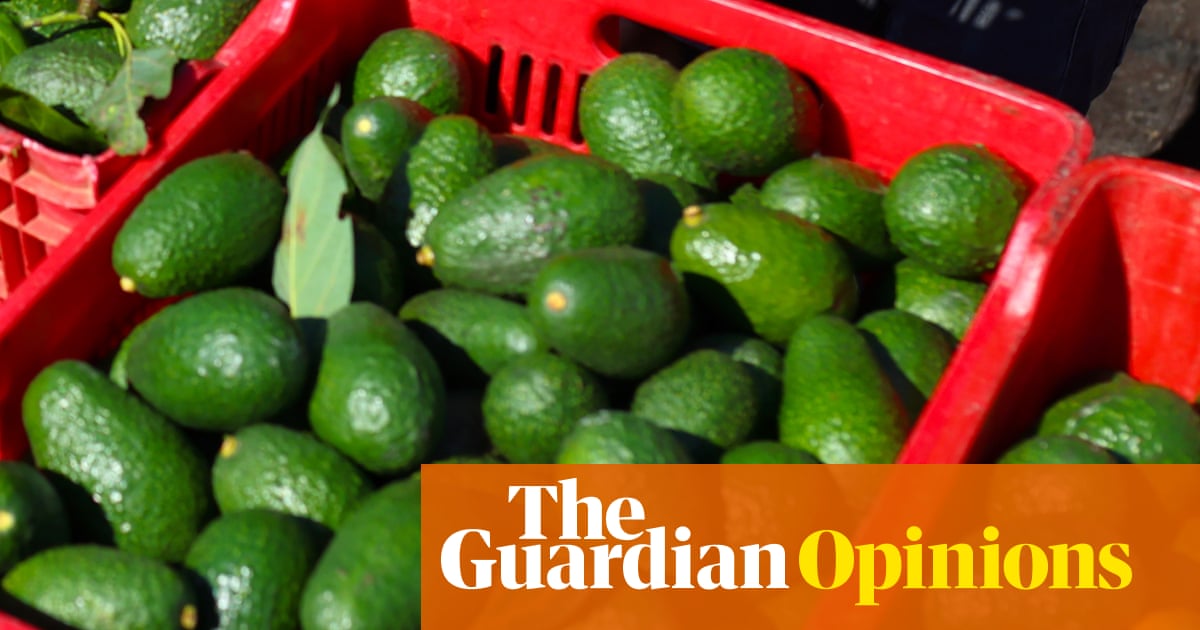
WFP warns ~45 million more people could fall into acute hunger if the conflict is prolonged and oil remains above $100/bbl. Shipping suspensions through the Strait of Hormuz have blocked exports (avocado and tea), forcing smallholders to accept prices as low as 50% of normal and causing inventory buildups; Unctad flags fertilizer dependence via Hormuz (Sudan >50%, Sri Lanka >33%, Tanzania 31%), with reports of staple food prices up ~20% in Somalia. The combined energy–fertiliser–logistics shock is a broad, risk-off event likely to raise food and transport inflation, stress emerging-market balance sheets and complicate sovereign debt servicing.
A regional disruption to seaborne energy logistics has an outsized, multi-month amplification effect on agricultural inputs and perishable supply chains through three levers: feedstock pricing (natural gas-linked urea economics), freight/insurance cost inflation, and acute capacity squeeze for time-sensitive cargo. Expect spot nitrogen/urea spreads to widen first — inventories held by trading houses typically blunt immediate shocks for 4–8 weeks, after which spot-price moves become linear with shipping frictions; model scenarios show a 20–40% spot urea rise over 1–3 months if access issues persist.
Second-order winners are low-cost, vertically integrated producers and trading houses able to redirect tonnage and arbitrage regional basis gaps; they can capture >70% of margin expansion in the first two quarters. Losers are thin-margin processors and front-line distributors in import-dependent emerging markets, where higher fertiliser and fuel costs compress sovereign buffers and raise fiscal stress probability, elevating EM sovereign credit spreads in 3–12 months.
The primary catalysts that would reverse pressure are durable diplomatic de-escalation or rapid release of strategic agricultural inventories — both can normalize pricing within 4–10 weeks; conversely, infrastructure damage or insurance market paralysis could extend disruption into 6–12 months and push food inflation above headline CPI thresholds in vulnerable economies. A contrarian nuance: the price impulse is front-loaded and convex — short, concentrated option structures on producers hedge the risk of a fast mean reversion once seasonal demand passes or substitute supply routes are mobilized.
AI-powered research, real-time alerts, and portfolio analytics for institutional investors.
Request DemoOverall Sentiment
strongly negative
Sentiment Score
-0.70
