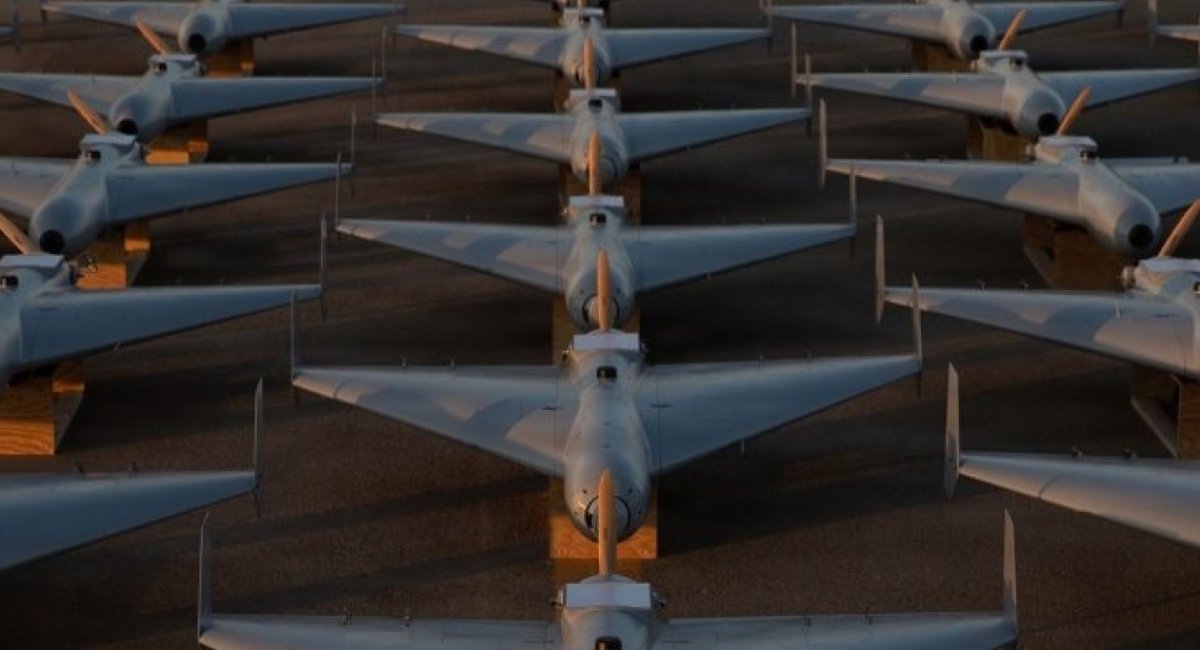
Shield AI will integrate its Hivemind combat AI into the LUKAS long-range strike drone and demonstrate swarm control this autumn, with one operator managing an unspecified number of drones. The software is designed to enable real-time coordination, rerouting, and threat avoidance, potentially improving the scalability and survivability of low-cost strike drones priced at about $35,000 each. The article is largely conceptual and defense-tech focused, so the likely market impact is limited, though it reinforces demand for AI-enabled autonomous systems in modern warfare.
This is less about a single drone contract and more about the monetization of autonomy as a force multiplier. The near-term economic winner is not just the prime integrator, but the AI middleware layer that can be reused across airframes, munitions, and unmanned aircraft classes; that raises the odds of a software-standardization cycle in defense procurement, where the sticky asset becomes mission autonomy rather than the vehicle itself. If that happens, the revenue mix shifts toward higher-margin software attach rates, but only after an initial wave of integration and certification spend that could compress margins for 2-3 quarters before scaling benefits show up.
The key second-order effect is on competitive differentiation in low-cost strike systems: once autonomous coordination becomes the baseline, unit price alone matters less than sortie survivability and operator-to-platform ratio. That favors vendors with broader mission systems ecosystems and serial production capacity, while pressuring smaller drone OEMs that compete only on airframe cost. It may also accelerate demand for adjacent capabilities — EW-resistant comms, onboard processing, and counter-UAS defenses — because swarm autonomy raises both offensive effectiveness and defensive urgency.
The market is likely underestimating program risk: autonomy demos are easy to headline, but field performance against mobile air defense, EW degradation, and GPS-denied environments is the real gating factor. Expect a 6-12 month catalyst window around test results and procurement language, with a real possibility that initial deployment is limited to niche mission sets rather than broad adoption. If the software materially increases unit cost, the narrative shifts from "cheap mass" to "premium expendable," which would blunt the adoption case and invite budget scrutiny.
The contrarian view is that the best trade may be into the enablers, not the platform name, because procurement tends to reward capability layers that can be inserted across multiple programs. The consensus may also be over-indexing on offensive swarm scale and underweighting the defensive response cycle: once autonomy improves penetration, air-defense modernization and counter-swarm spending can accelerate faster than strike-drone revenues. That creates a potentially more durable bull case in select defense electronics and mission software suppliers than in airframe manufacturers alone.
AI-powered research, real-time alerts, and portfolio analytics for institutional investors.
Request DemoOverall Sentiment
mildly positive
Sentiment Score
0.20
Ticker Sentiment
