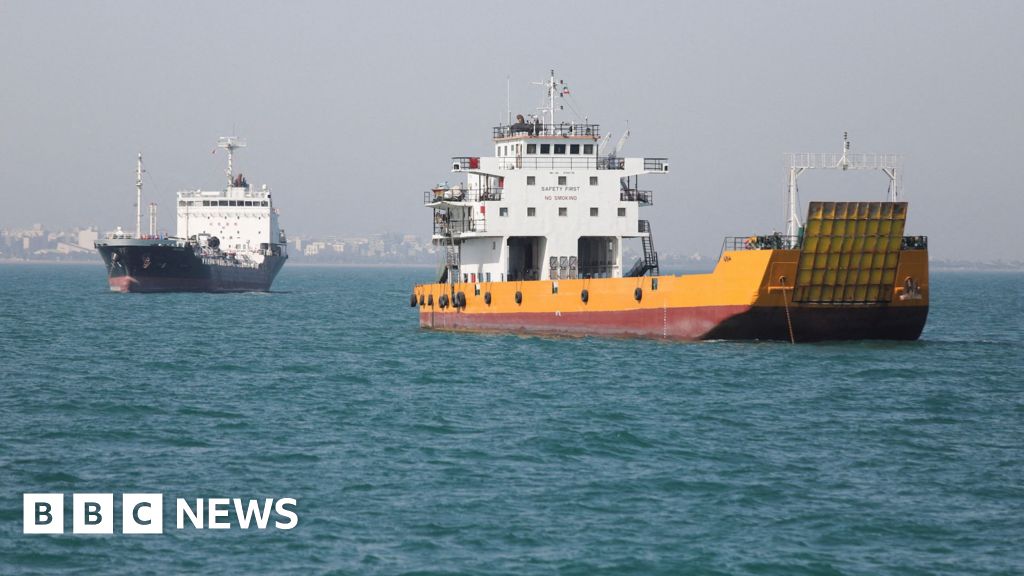
The ceasefire between the US and Iran is increasingly fragile, with renewed risk of escalation centered on the Strait of Hormuz after US naval escorts and Iranian threats to keep pressure on shipping. Any prolonged disruption could hit global oil and gas supply, along with helium and fertilizer feedstocks, raising worldwide inflation and food-security risks. The UAE and other Gulf states face elevated security risk as Iran signals it may target key infrastructure such as Fujairah.
The market is underpricing how quickly a maritime choke-point story can spill from energy into broader inflation and growth volatility. The first-order move is obvious in crude, but the second-order winner is not just upstream producers: LNG-linked supply chains, tanker rates, marine insurance, and Gulf infrastructure capex all reprice once shippers begin assigning a persistent risk premium to transit. The key distinction is duration — a brief disruption is a headline event, but anything that forces rerouting or formal tolling would create a multi-quarter tax on global trade and a structural uplift in logistics costs.
The biggest loser set is actually downstream and rate-sensitive: airlines, chemical producers, freight-heavy industrials, and import-dependent EMs. If oil is volatile but not spiking vertically, equity markets may initially treat this as a sector rotation event; if the standoff persists, the earnings revision cycle broadens as fuel, fertilizer, and feedstock costs flow through with a lag of 1-2 quarters. That makes the risk asymmetric: the longer the tension lasts, the more likely the market starts discounting second-round inflation effects rather than treating it as a temporary energy shock.
The contrarian miss is that a partial blockade is more damaging than an all-out, short-lived clash because it preserves uncertainty and keeps capital trapped in precautionary mode. That favors insurers, defense logistics, and non-Gulf energy supply routes while suppressing multiples on global cyclicals. The cleanest catalyst is not another strike but a visible failure of diplomacy combined with a sustained increase in vessel detentions or toll-like fees, which would validate a higher volatility regime across commodities and transport.
AIG-specific read: direct underwriting exposure is limited, but marine, political risk, and trade credit assumptions can shift quickly if Gulf shipping losses become systemic. The stock can outperform only if the event remains contained; otherwise the market will worry about reserve volatility and claims inflation in specialty lines even without headline catastrophe losses.
AI-powered research, real-time alerts, and portfolio analytics for institutional investors.
Request DemoOverall Sentiment
strongly negative
Sentiment Score
-0.72
Ticker Sentiment
