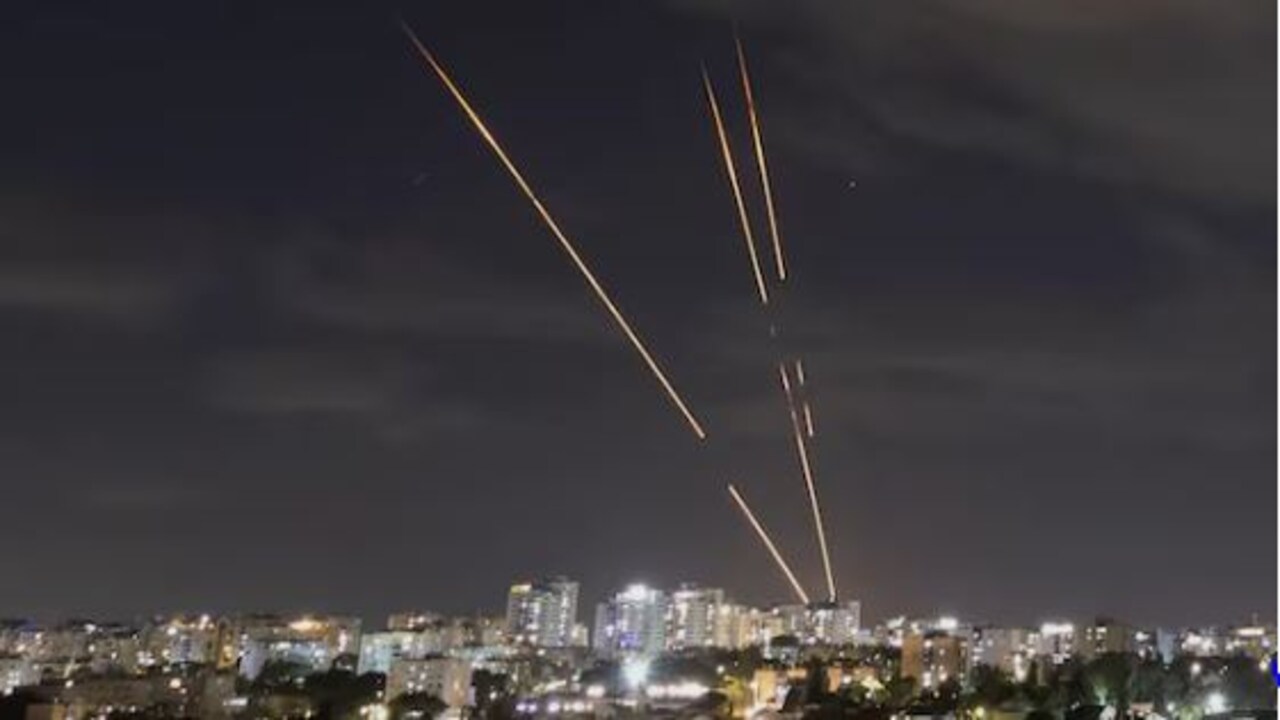
The article is dominated by escalating geopolitical risk around the Iran conflict, including reported Israeli strikes in Gaza and Lebanon, US military interception of a sanctioned Iranian-linked merchant vessel in the Arabian Sea, and renewed diplomatic friction over talks with Tehran. Separately, a shooting scare at the White House Correspondents' Dinner disrupted U.S. political events, with a Secret Service officer reportedly shot but protected by body armor and the suspect taken into custody. The combination of conflict escalation, sanctions enforcement, and security incidents points to elevated cross-asset risk and potential energy market sensitivity.
The market implication is not the headline diplomacy; it is that the conflict is now broadening from a regional war into a logistics-and-enforcement regime. The vessel interdiction shows Washington is willing to move from sanctions to physical denial of commerce, which raises the cost of moving Iranian hydrocarbons far beyond the official penalty schedule. That tends to compress the economics of the entire shadow-fleet ecosystem, with the weakest link being shipowners, smaller insurers, bunker providers, and port intermediaries that rely on opaque routing and balance-sheet light financing.
Second-order, the airbase fire and sustained bomber posture argue for a higher probability of asymmetric retaliation against soft military logistics nodes in Europe and the Gulf. Even absent direct kinetic escalation, the operational drag is real: more rerouting, tighter airspace restrictions, higher freight risk premia, and slower turnaround times for defense and commercial logistics assets serving the theater. That dynamic is usually bullish for legacy defense primes and military logistics vendors, but bearish for airlines, marine insurers, and any carrier with exposure to Middle East transit margins.
The diplomacy channel looks fragile rather than constructive. Pakistan's mediation matters only if it buys time, but the current setup suggests talks are being used as a tactical pause while both sides test leverage; that usually extends volatility rather than resolving it. The market is likely underpricing the probability that sanctions enforcement, not battlefield headlines, becomes the main transmission mechanism into energy prices over the next 2-6 weeks.
Contrarian view: the consensus may be overestimating an immediate supply shock and underestimating a slower, stickier squeeze on trade finance and transport. If tanker and product flows are disrupted at the margins rather than shut outright, the beneficiaries are not just crude producers but also refiners with flexible sourcing and defense names tied to base security and electronic warfare. The cleanest risk/reward is in relative value, not outright beta.
AI-powered research, real-time alerts, and portfolio analytics for institutional investors.
Request DemoOverall Sentiment
moderately negative
Sentiment Score
-0.35
