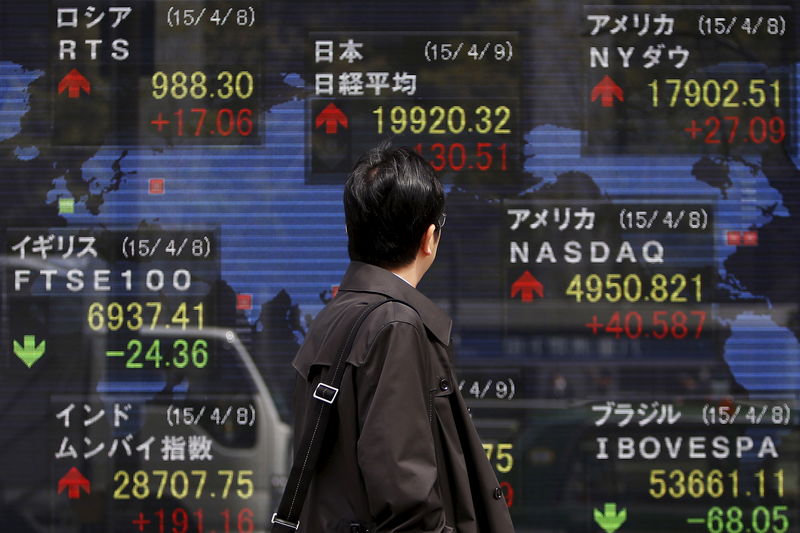
Oil is trading above $100/bbl as Middle East hostilities escalate, including threats against Iran's Kharg Island and attacks near the Strait of Hormuz that threaten ~20% of global oil flows. Asian equities fell (Nikkei -1.2%, TOPIX -1.0%, KOSPI -0.5%, S&P/ASX 200 -0.5%) amid concerns about higher oil-driven inflation; China posted stronger-than-expected industrial output (+6.3% YoY Jan-Feb) and retail sales (+2.8% YoY). Markets are focused on the Fed meeting on Mar 17-18, where rates are widely expected to be held as policymakers assess the inflationary impact of surging oil prices and geopolitical risk.
The immediate winners are asset owners exposed to physical movement and storage — tanker owners, bulk freight players and strategic storage providers — because risk to chokepoints raises effective freight rates and creates optionality for floating storage. Upstream US shale and mid-cap E&Ps are structurally advantaged versus integrated majors on incremental dollars because they have far lower sustaining capex per incremental barrel and therefore convert a greater share of a sustained crude rally into free cash flow within 2-4 quarters.
Downside chains are less obvious: Asian refiners and consumer-facing companies will see margin compression through two channels — higher fuel input costs and recurring shipping-premium pass-throughs into procurement — which can shave high-single-digit EBITDA margins for import-dependent manufacturers if the security premium persists beyond one quarter. Insurers and reinsurers will face rising loss creep and pricing opportunities; rate increases in marine hull & cargo could become a multi-quarter tailwind for selective specialty names but raise operating costs for trade-heavy corporates.
Key catalysts and time horizons: tactical flare-ups (days–weeks) materially widen shipping spreads and tanker profitability, diplomatic moves or SPR releases (weeks) can re-price crude quickly, and demand destruction from sustained consumer price pass-through (2–4 quarters) is the slow-acting reversal risk. The clearest mean-reversion trigger is either a coordinated large SPR release or credible de-escalation negotiations; conversely, escalation to oil infrastructure strikes would entrench a $10–20 premium for months and force structural shifts in trade routing and inventories.
AI-powered research, real-time alerts, and portfolio analytics for institutional investors.
Request DemoOverall Sentiment
mildly negative
Sentiment Score
-0.30
