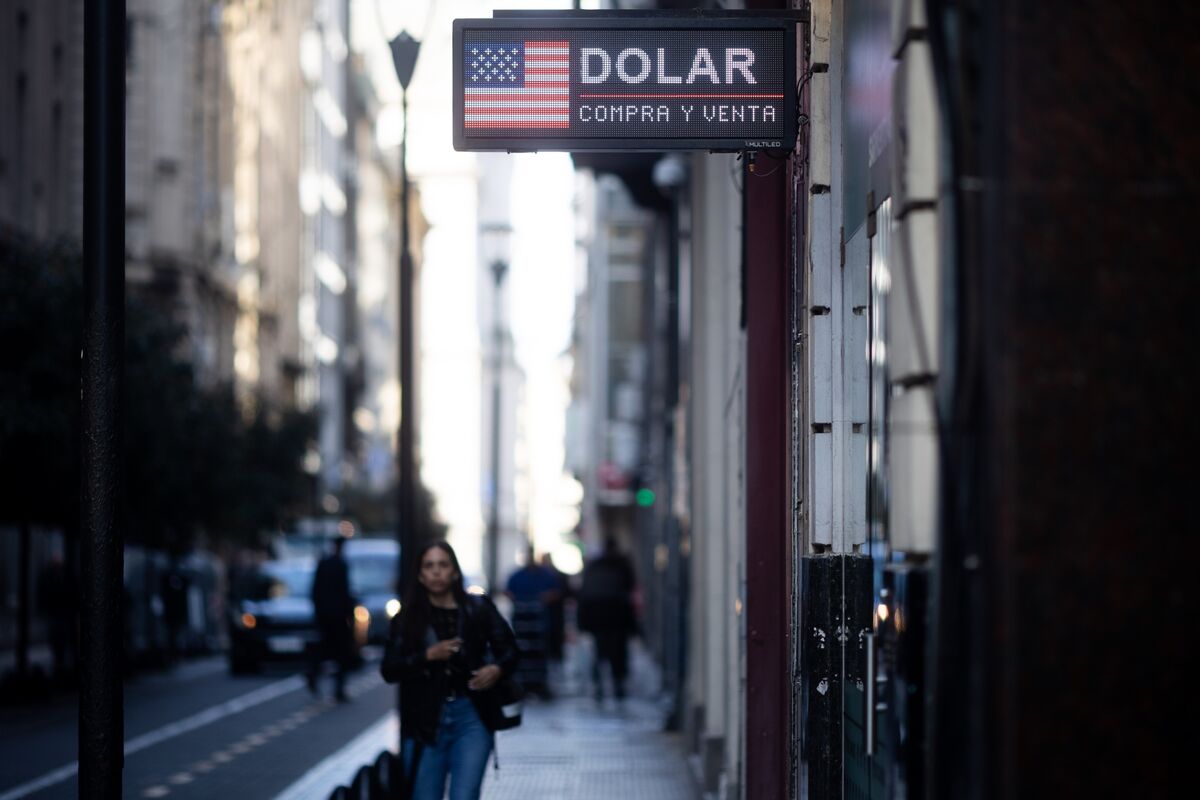
Argentina's National Securities Commission (CNV) has implemented a new regulation restricting brokers from selling local dollar-denominated instruments if they hold positions in peso repos or short-term loans. This measure aims to curb dollar demand in the financial market, representing the government's latest effort to prevent the peso from depreciating beyond its established trading band and signaling continued intervention in currency stability.
Argentina's National Securities Commission (CNV) has implemented a significant regulatory tightening, indicative of escalating pressure on its currency. The new interpretation of an existing rule, which prohibits brokers from selling local dollar-denominated instruments while holding positions in peso-based repos or short-term loans, is a direct attempt to suppress US dollar demand. This measure, characterized by a 'strongly negative' market sentiment and a 'defensive' tone, is not a sign of economic strength but rather a reactive capital control measure to prevent the peso from breaching its trading band. The high market impact score of 0.7 highlights that investors perceive this as a material development. Such actions increase operational complexity for financial intermediaries and can signal a government's diminishing ability to manage its currency through conventional monetary policy, thereby elevating the perceived risk profile for Argentine assets.
AI-powered research, real-time alerts, and portfolio analytics for institutional investors.
Request DemoOverall Sentiment
strongly negative
Sentiment Score
-0.60
