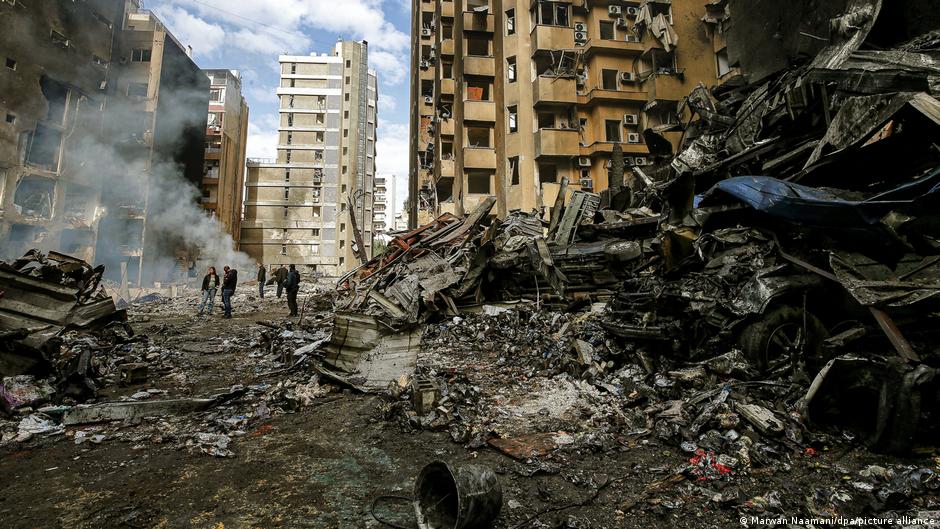
A tenuous two-week US–Iran truce was announced but Israel’s continued offensive in Lebanon and threats to the Strait of Hormuz keep acute geopolitical risk elevated; Russia and Germany have urged inclusion of Lebanon in the ceasefire while Germany says it will reengage with Tehran. Humanitarian and economic impacts are substantial: WHO reports >4.25 million displaced (≈3.2m in Iran, >1m in Lebanon) and the IMF warns up to 45 million at risk of food insecurity and potential near-term IMF support demand of $20–$50 billion. Immediate market risks include potential disruptions to oil/gas flows via the Strait of Hormuz and stressed regional supply chains, implying a material (market-wide) risk-off dynamic for commodities and emerging-market access.
The market is pricing a persistent, asymmetric geopolitical risk premium where localized military operations can quickly transmit into global energy and shipping dislocations. A key non-obvious channel is insurance and rerouting: even a transient threat to chokepoints or coastal logistics raises tanker and container freight insurance premia and voyage times, producing outsized margin swings for midstream and logistics firms within days to weeks.
Diplomatic moves by influential third parties materially compress the upper tail of escalation risk even if kinetic activity continues at the margin; that creates a two-stage market dynamic — an immediate risk-off leg (days–weeks) followed by selective recovery (weeks–months) if negotiations advance. Separately, humanitarian-driven reconstruction and emergency procurement create durable demand pockets in medical supplies, heavy equipment and defense modernization over years, altering capex profiles for contractors and select industrials.
Investor positioning should therefore differentiate time horizons: short-dated volatility and liquidity squeezes vs. longer-term structural winners from reconstruction and supply-chain reconfiguration. The binary catalysts to watch for near term are diplomatic momentum indicators (trackable via formal delegation movements and multilateral communiqués) which will swing implied energy and EM credit volatility sharply within 7–30 days.
AI-powered research, real-time alerts, and portfolio analytics for institutional investors.
Overall Sentiment
strongly negative
Sentiment Score
-0.78
