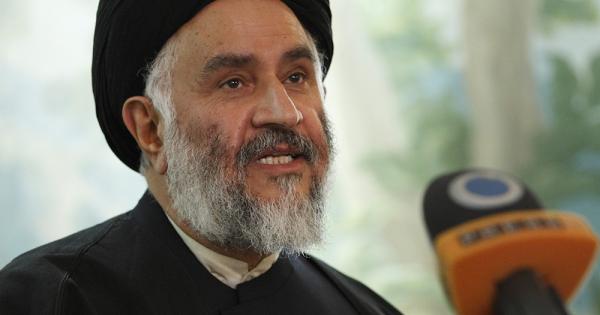
Senior Iranian cleric Ayatollah Seyed Mostafa Mohaghegh Damad publicly wrote to Pope Leo XIV urging the pope to press the U.S. president for restraint amid the war that erupted Feb. 28 between the United States, Israel and Iran, condemning civilian casualties and attacks on civilian infrastructure. Damad is described as a moderate, reformist figure within Iran's clerical establishment who has previously appealed to popes (2018, 2020) on sanctions and humanitarian issues; analysts say Vatican moral pressure may have limited practical leverage, especially given competing U.S. political narratives. The piece also notes domestic criticism of Damad for limited public comment on alleged early-January repression that international groups say killed thousands of protesters.
A high-profile religious-to-religious diplomatic channel changes the odds of a negotiated pause more than most headline-driven market narratives assume. Soft-power interventions historically shift political calculus within 30–90 days by altering constituency pressures (clergy, humanitarian NGOs, faith-based voters); market-relevant effects — lower risk premia on regional assets and a reduction in sanctions tail-risk — would likely show up first in FX and credit spreads before equities. Quantitatively, treat this as a right-tail increase in de-escalation probability from a low baseline (order-of-magnitude lift, e.g., +20–30 percentage points) concentrated in the 1–3 month window rather than an immediate cessation of hostilities.
There is asymmetric counter-pressure risk: domestic hardliners can weaponize external moral interventions to justify crackdowns, raising persistent political-risk for years. That path compounds capital flight and sanctions renewal, pushing sovereign spreads wider by several hundred basis points and elevating commodity risk premia. Key catalysts to watch are (1) any public Vatican communication or coordinated statements from major Western episcopal bodies, (2) visible diplomatic back-channels being acknowledged by EU/NATO foreign ministers, and (3) a spike in domestic repression that would undercut the soft-power channel — any of which can reverse the short-term narrative in days.
For markets, the near-term payoff structure favors volatility trades and pairs that capture both outcomes: protection against escalation and optional exposure to a diplomatic de-risking. The cheapest, highest-leverage plays are short-dated options and cross-asset pairs (defense vs EM risk). Time your entries to catalyst windows (Vatican/public clergy statements, EU foreign minister meetings) and scale out on binary outcomes; avoid one-sided beta in EM credit until political signal clarity improves over 4–12 weeks.
AI-powered research, real-time alerts, and portfolio analytics for institutional investors.
Request DemoOverall Sentiment
neutral
Sentiment Score
0.00
