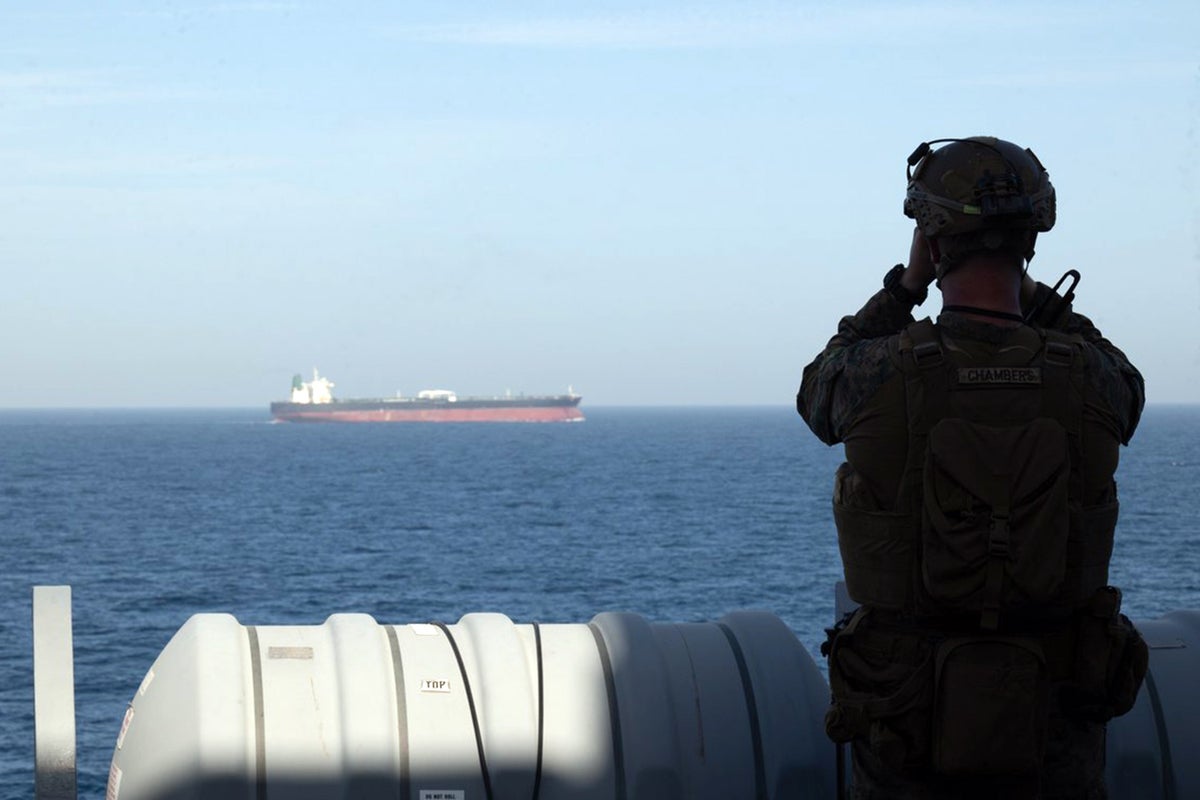
The article highlights a major disruption to oil and LNG flows through the Strait of Hormuz, with only three vessels passing in one 24-hour period and the corridor historically handling about one-fifth of global supply. It outlines existing bypass routes such as Saudi Arabia’s East-West pipeline (up to 7 million bpd capacity, ~4.5 million bpd effective exports) and the UAE’s Habshan-Fujairah line (1.5-1.8 million bpd), while noting several alternatives remain stalled or conceptual. The geopolitical risk keeps global energy markets on edge and raises the chance of higher freight, insurance, and crude price volatility.
The market is still pricing this as a binary Strait-of-Hormuz headline, but the more important read-through is that rerouting capacity is asymmetric by country and by timeframe. Saudi and UAE can absorb meaningful volumes in weeks, while Iraq and Iran have far less optionality and face higher operational friction; that creates a relative-benefit trade to Gulf exporters with spare logistics versus those whose barrels are hostage to chokepoint risk. The second-order winner is the freight, storage, and port-security ecosystem around the Red Sea, Gulf of Oman, and Mediterranean alternatives, because even modest diversion forces longer haul times, tighter vessel availability, and higher war-risk premia.
The bigger medium-term effect is on price dispersion rather than just outright Brent. If Hormuz throughput remains impaired, prompt physical differentials should widen for grades that can reach non-Gulf outlets versus those that cannot, while LNG and refined-product flows into Asia become the most vulnerable because rerouting options are thinner and more expensive. That is a subtle negative for Asian importers and a positive for Atlantic Basin refiners and traders that can arbitrage regional dislocations; the market likely underestimates how quickly logistics costs become embedded in product cracks even if headline crude supply is only partially interrupted.
The contrarian risk is that the situation may be less supply-destructive than the headline suggests if policy makers prioritize keeping seaborne flows open and if alternative routes are rapidly maxed out. In that case, the first move higher in energy could fade, but the tail risk remains asymmetric because a single successful attack on a substitute route, terminal, or tanker cluster can force a much larger repricing than the Strait headline alone. The key catalyst window is days to weeks for crude, but months for infrastructure re-rating and insurance costs; investors should treat this as a volatile but tradable logistics shock, not a pure commodity demand story.
AI-powered research, real-time alerts, and portfolio analytics for institutional investors.
Request DemoOverall Sentiment
strongly negative
Sentiment Score
-0.75
