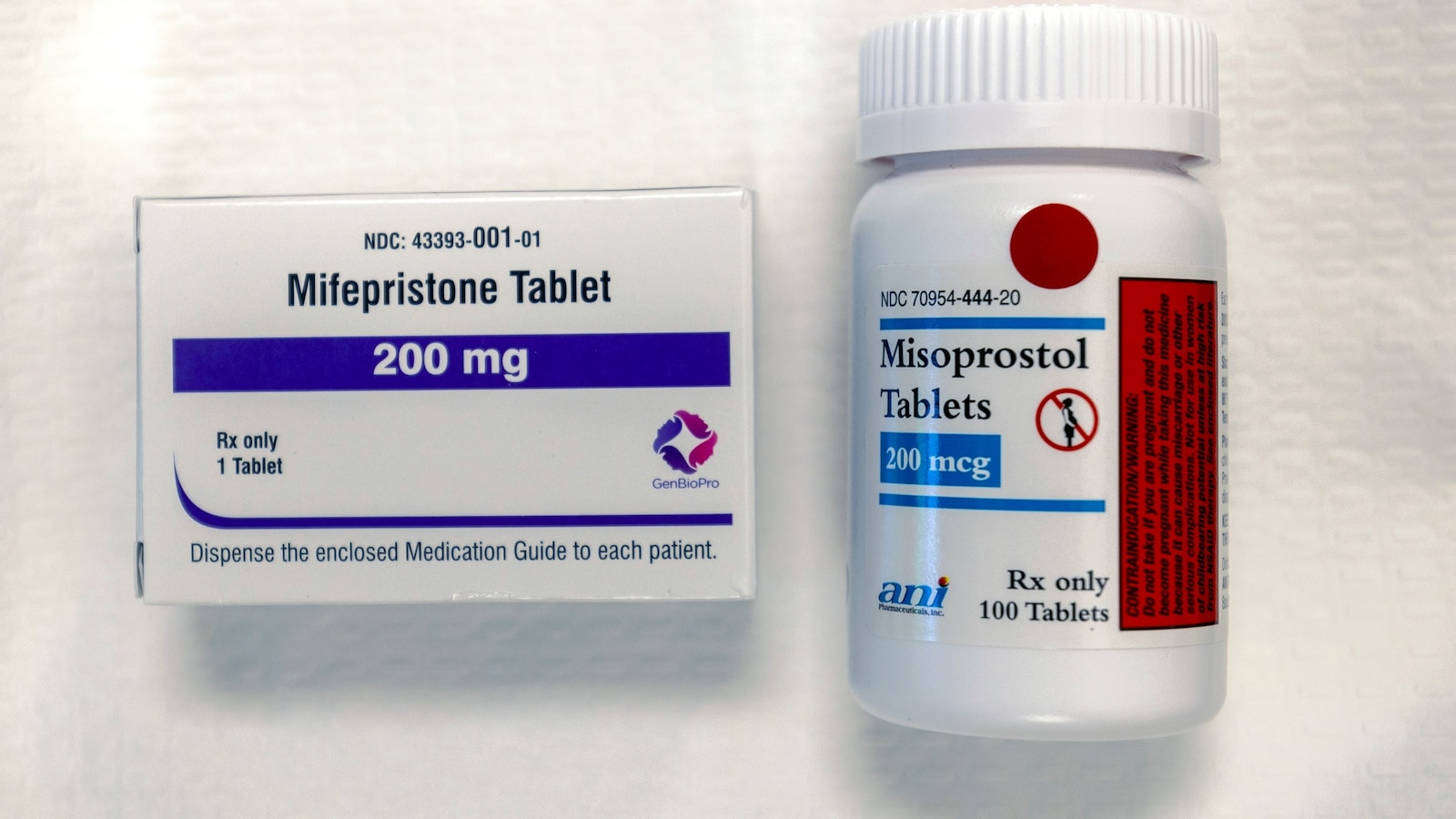
The 5th Circuit Court of Appeals issued a nationwide order blocking telehealth dispensing of mifepristone and barring pharmacy and mail distribution, effective immediately. The case is now headed to the Supreme Court, adding major legal uncertainty for abortion pill access and telehealth/pharmacy channels. The ruling is likely to impact healthcare providers and reproductive health stakeholders, though the broader market effect is limited.
This is less a one-day healthcare headline than a multi-month optionality shock for reproductive-health distribution. The immediate market impact is likely to show up in the “plumbing” of care: telehealth platforms, mail-order pharmacies, cash-pay women’s health apps, and PBM-adjacent distribution channels face a step-down in volume even if underlying clinical demand is unchanged. The first-order loser is convenience-based access; the second-order winner may be in-person clinic networks and local pharmacy chains that can absorb some switching, but only if they can handle capacity and compliance friction.
The bigger issue is legal path dependency. A nationwide appellate block raises the probability of a Supreme Court review cycle that keeps this category in regulatory limbo for months, not days. That ambiguity is usually worse for growth multiples than a clean ban because it compresses forward visibility, raises legal expense, and makes CAC payback less durable for telehealth operators that rely on recurring prescription traffic.
Contrarian angle: the market may be underestimating substitution behavior. If telehealth distribution is constrained, patients don’t necessarily exit the market; they route through alternative channels, which can partially offset revenue loss for incumbents with physical footprints. The real earnings risk is not just lost script volume but higher acquisition and compliance costs to maintain the same conversion rate, especially for companies with thin contribution margins.
From a portfolio perspective, this is a classic dispersion setup: short the most exposed virtual-care intermediaries into any rally, while looking for beneficiaries with brick-and-mortar distribution or broader women’s-health service lines. The catalyst window is immediate for sentiment, but the true P&L impact should emerge over 1-2 quarters as prescription flow, litigation reserves, and guidance revisions reset.
AI-powered research, real-time alerts, and portfolio analytics for institutional investors.
Request DemoOverall Sentiment
mildly negative
Sentiment Score
-0.35
