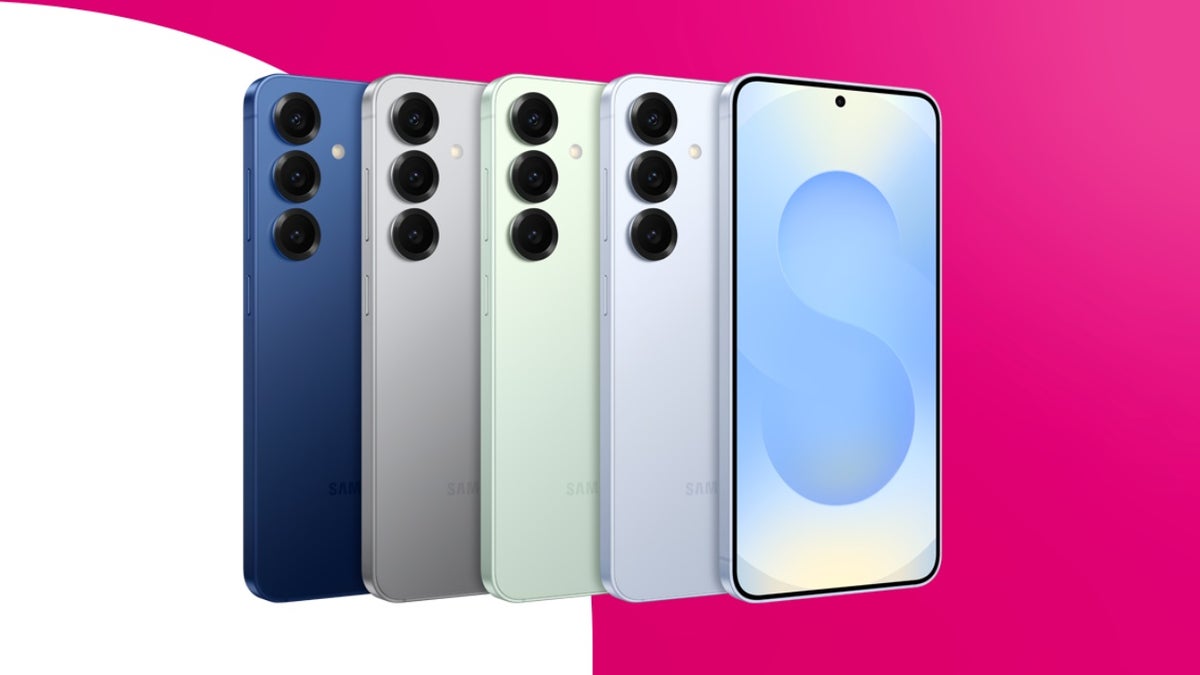
ACSI customer satisfaction data show Samsung at 81 versus Apple at 80 for smartphones, while T-Mobile leads wireless carriers at 78, ahead of Verizon and AT&T at 76. Overall phone satisfaction rose to 79 from 78, and the MVNO segment averaged 79 versus 76 for major carriers. Smartwatch satisfaction is now tied at 80 between Samsung and Apple after Samsung’s score fell from last year.
The useful signal here is not the headline satisfaction ranking itself, but the persistence of a quality gap that is now showing up differently across hardware and network layers. T-Mobile’s lead suggests execution is translating into lower churn risk and better pricing power, which matters more than one survey point because wireless is a high-LTV subscription business where even modest retention improvement compounds over years. That makes T more defensible on free cash flow than the market usually credits, especially if investors continue to underwrite it as a commodity connectivity utility.
Apple’s slight satisfaction slippage is more important for ecosystem resilience than for near-term iPhone demand. A one-point move does not change the upgrade cycle by itself, but it can reinforce a broader narrative that premium consumers are less emotionally attached than in prior cycles, which matters when replacement demand is already stretched by longer handset lifetimes. The second-order risk is that weaker satisfaction becomes a leading indicator for accessory attach, services engagement, and carrier upgrade willingness over the next 2-4 quarters.
The surprise on Samsung is more interesting as a product-cadence issue than a brand issue: satisfaction appears to be highly sensitive to launch cohorts, suggesting that watch and phone launches can whipsaw sentiment faster than market share can adjust. For GOOGL and GRMN, the improvement implies that smaller share devices can win on perceived value even if they remain structurally disadvantaged in distribution. The contrarian read is that these rankings are more useful for spotting share-of-wallet shifts than outright unit-share inflections, so the market may be overreacting if it extrapolates a single survey into secular winner/loser status.
On carriers, the gap between the leader and the rest argues for continued share gains for T-Mobile in higher-value postpaid subscribers, while smaller MVNOs may keep taking low-friction price-sensitive users. The key catalyst is whether T-Mobile converts satisfaction into lower churn and higher ARPU without sacrificing margin; if that happens, the stock can re-rate on durability rather than growth alone. For Verizon and AT&T, this is a warning that network parity does not equal customer parity, which can pressure valuation multiples over the next 6-12 months.
AI-powered research, real-time alerts, and portfolio analytics for institutional investors.
Request DemoOverall Sentiment
mildly positive
Sentiment Score
0.15
Ticker Sentiment
