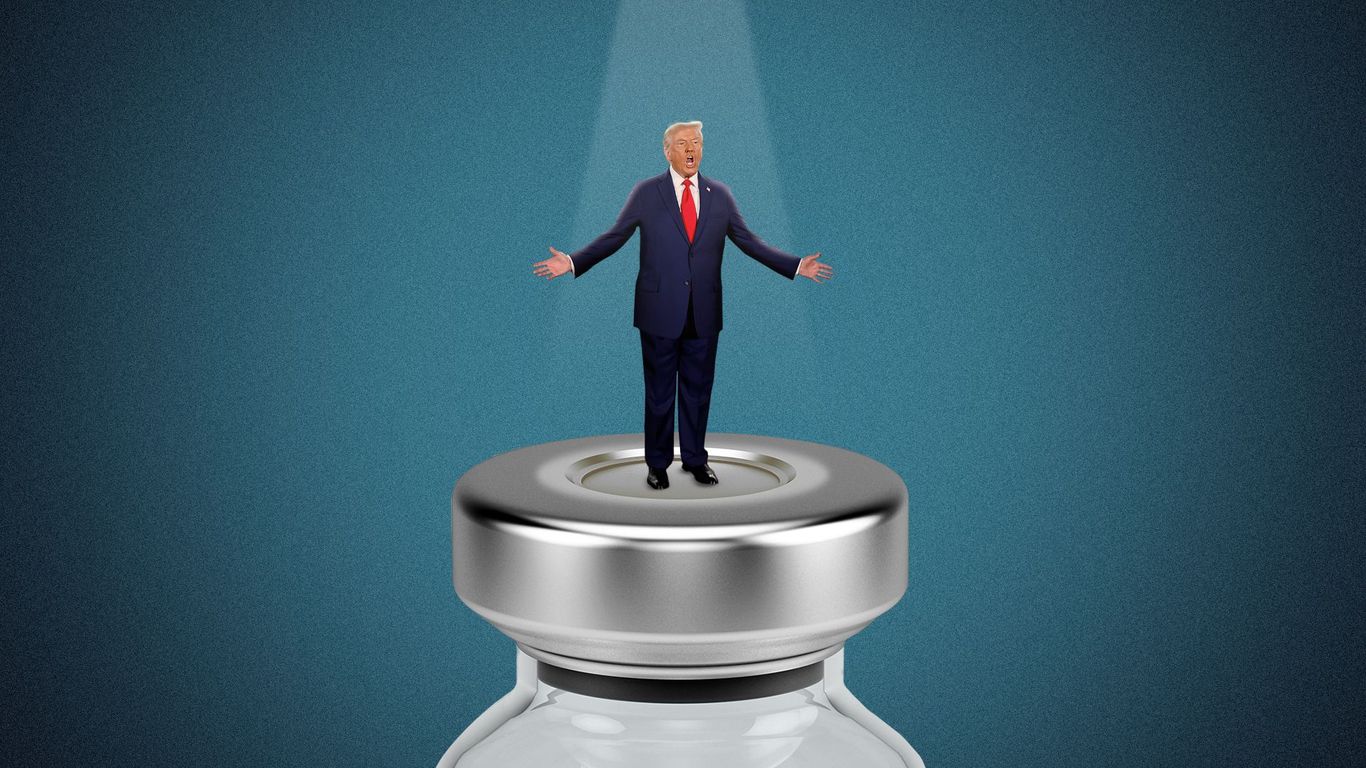
President Trump has initiated a crackdown on drug advertising, tasking the FDA to enforce stricter disclosure of safety risks by reverting to 1990s-era advertising standards and issuing numerous warnings to companies. This move, however, faces significant legal challenges, as the industry is expected to contest changes in court, citing First Amendment protections and the FDA's lack of direct authority to ban ads. The enforcement could compel pharmaceutical and telehealth companies to fundamentally alter their marketing strategies, potentially leading to prolonged legal battles and shifts in advertising expenditures, particularly concerning digital platforms and influencer marketing.
The Trump administration has initiated a significant regulatory crackdown on direct-to-consumer (DTC) pharmaceutical advertising, directing the FDA to enforce stricter risk disclosure standards reminiscent of the late 1990s. This enforcement action, marked by the issuance of over 100 cease-and-desist letters, extends beyond traditional pharmaceutical firms to impact modern telehealth companies like Hims & Hers (HIMS), which received a negative sentiment score of -0.4, highlighting its perceived vulnerability. However, the initiative faces substantial uncertainty, reflected in the mixed overall sentiment score (-0.15). The administration lacks the legal authority to outright ban ads, relying instead on sanctions and rulemaking that are expected to face significant legal challenges from the industry on First Amendment grounds. A Raymond James analyst noted that the viability of these new rules in court is "very much an open question." The regulatory landscape is further complicated by the evolution of marketing through unregulated health influencers and telehealth platforms that blur the lines of promotion, channels that did not exist during the last major regulatory overhaul. While the crackdown could render current ad formats "unworkable," industry adaptation is possible through shifts to longer-form digital content or renegotiated terms with broadcasters, suggesting a potential reallocation rather than elimination of advertising spend.
AI-powered research, real-time alerts, and portfolio analytics for institutional investors.
Overall Sentiment
mixed
Sentiment Score
-0.15
Ticker Sentiment
