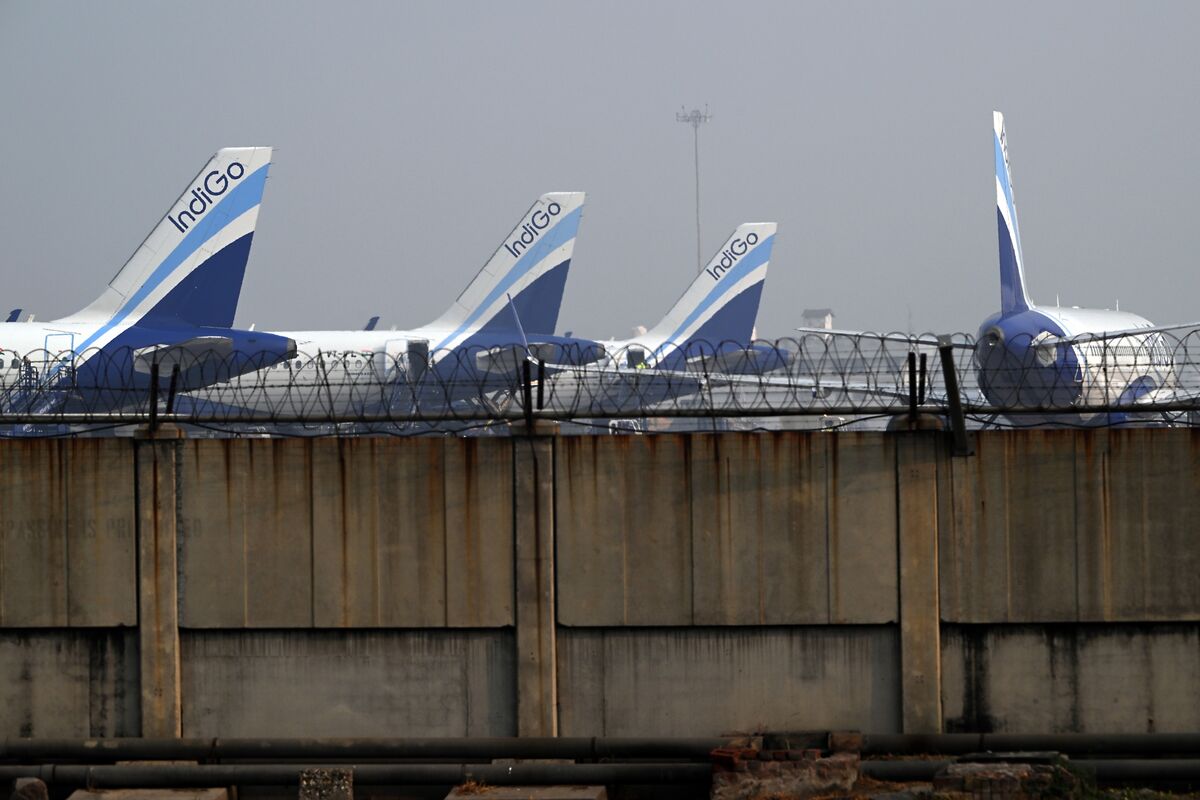
IndiGo’s mass flight cancellations underscore structural weaknesses in India’s aviation sector that reversing pilot rest norms alone will not fix, prompting calls for deeper regulatory and operational reforms to restore reliability and investor confidence. The briefing also flags renewed India–Russia ties amid a US-led global trade war, adding geopolitical and supply-chain complexity for companies operating in India.
Market structure: IndiGo (InterGlobe Aviation, NSE: INDIGO) is the dominant incumbent (~45–55% domestic share); operational disruptions create immediate beneficiaries among secondary carriers (e.g., SPICEJET, NSE: SPICEJET) and charter operators who can pick up 5–10% displaced demand. Airports and OTA platforms (MakeMyTrip, Nasdaq: MMYT) face revenue volatility from cancellations; airline yields may firm 3–8% if capacity is constrained for >4 weeks. Competitive dynamics: persistent rest-norm enforcement effectively reduces available block hours (model 8–12% cut), amplifying pricing power for carriers with spare crew and accelerating consolidation for weaker operators over 6–18 months.
Risk assessment: tail risks include regulatory cap-and-redesign of schedules, mass pilot layoffs/resignations or union action causing a 20–40% short-term capacity shock, and reputational demand decline (bookings down >10% over 3 months). Time horizons split: immediate (1–14 days) operational volatility and option-implied vol spikes, short-term (1–3 months) market-share reallocation, long-term (3–24 months) structural reforms in rostering/training and potential fines/costs. Hidden dependencies: cadet training pipeline, wet-lease availability, and bilateral traffic rights; catalysts include DGCA rulings, winter/festival travel peaks and the 30–90 day hiring/training cadence.
Trade implications: bias to short-duration volatility plays on INDIGO and relative longs in carriers with spare capacity; size statements: tactical 60-day put exposure vs INDIGO (10–15% OTM) to capture doubling of IV, and a 2–3% long in SPICEJET to capture ~10–25% upside if share gains 2–5 pts over 3 months. Sector rotation: underweight airport operator exposure and OTAs if cancellations persist >2 weeks (expect rev-per-passenger swing >5%), rotate into regional charter/maintenance companies that monetize peak dislocation. Entry/exit: enter option shorts/longs within 48–72 hours of sustained cancellation news; trim/exit on a 10–20% realized P&L or when DGCA issues a corrective order within 30 days.
Contrarian angles: consensus assumes permanent market-share loss for IndiGo; history (e.g., US Southwest 2022) shows operational meltdowns often reverse within 3–6 months once systems/training are fixed, so a >20% price fall in INDIGO is likely overdone. Mispricings: implied vols in INDIGO options may overshoot fundamentals — use 60–90 day puts rather than long stock shorts to control tail loss. Unintended consequences: aggressive shorting could prompt government/industry intervention (subsidies, expedited training slots) which would re-rate incumbents quickly; set triggers to cover if IndiGo publishes a credible 30–60 day remediation plan.
AI-powered research, real-time alerts, and portfolio analytics for institutional investors.
Request DemoOverall Sentiment
moderately negative
Sentiment Score
-0.40
