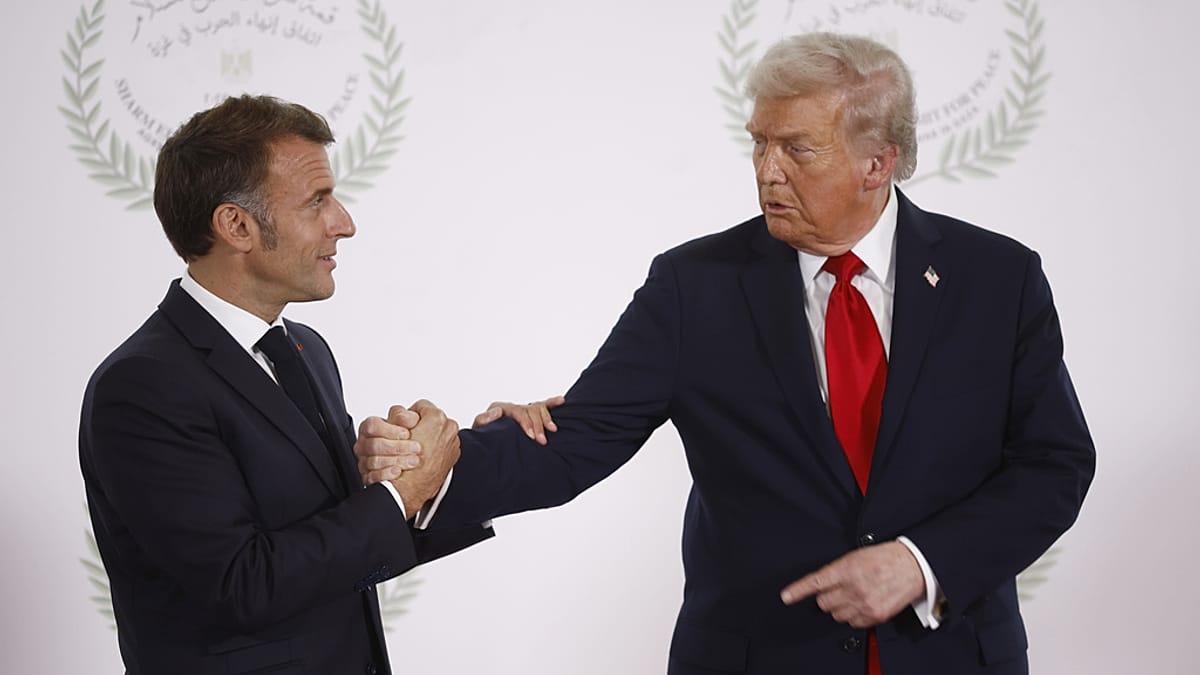
President Trump publicly boasted he coerced French President Emmanuel Macron into agreeing to triple prescription drug prices by threatening 25% tariffs on all French imports, a claim that has not been refuted by Paris. The administration has also suspended participation in multiple UN agencies, seized Venezuela-linked oil tankers and detained Nicolás Maduro on narco-terrorism charges, and renewed talk of acquiring Greenland with the White House refusing to rule out military options—moves that prompted allied leaders to warn of strained relations and potential NATO implications. These developments raise near-term geopolitical and trade-policy risks that could pressure risk assets, complicate transatlantic cooperation, and increase policy uncertainty for investors exposed to European trade flows and energy markets.
Market structure: The immediate winners are defense contractors (LMT, NOC, RTX) and hard assets (gold, oil) as geopolitical rhetoric raises the security premium; losers are headline-exposed European exporters (French luxury goods LVMUY, Kering PPRUY) and integrated supply-chain plays that rely on predictable trade rules. A credible 25% tariff shock on French goods would likely compress French export volumes to the US by an estimated 15–25% over 6–12 months, reallocating pricing power toward domestic substitutes and defense/energy suppliers. Cross-asset: expect safe‑haven flows into USD and US Treasuries (yields down 10–30bp intraday risk spikes) with elevated realized equity volatility (VIX +20–50% on shock events) and intermittent oil price spikes on Venezuela-related seizures.
Risk assessment: Tail risks include a military incident around Greenland or a formal US withdrawal from multilateral trade rules triggering a 10–25% global equity drawdown and prolonged NATO funding shock; probability low (<5%) but impact systemic. Immediate (days) effects: FX and front‑month oil moves; short-term (weeks–months): defense re‑procurement and tariff implementations; long-term (quarters–years): reshoring and supply‑chain realignment raising capex for domestic manufacturing and mining. Hidden dependencies: escalating rhetoric increases policy unpredictability, raising hedging costs for corporates and possibly accelerating ESG/backlash regulatory moves in EU pharma and tech. Key catalysts: official tariff announcements, Danish/European diplomatic responses, UN withdrawal formal notices within 30–90 days.
Trade implications: Tactical: establish a 2–3% long position in LMT (12–18 month horizon, target +25%, stop −12%) and 1–2% long GLD as immediate hedge against geopolitical premium compression. FX: buy USD via UUP 2% or execute a 3‑month EURUSD put spread (sell 1% OTM) to capture 3–8% downside on EUR if EU political risk rises. Commodities: buy a 1–2% tactical exposure to XLE or short-dated WTI calls (3 months) to capture upside from Venezuelan supply shocks; use options to control tail risk.
Contrarian angles: The market may be overstating immediate tariff implementation—actual probability <25%—so avoid large directional shorts on European equities; instead use low-cost, event‑contingent options (3–6 month puts on LVMUY or forward contracts triggered by a formal tariff notice). Historical parallels (Cold War Arctic strategic plays) show defense re‑rating takes 6–24 months, not days, so size defense longs for 12+ months rather than intraday trading. Unintended consequence: aggressive US posturing could accelerate EU defence industrial cooperation (benefiting EADSY over luxury names), creating pair trades long European defense exposure vs short French luxury over 6–18 months.
AI-powered research, real-time alerts, and portfolio analytics for institutional investors.
Request DemoOverall Sentiment
moderately negative
Sentiment Score
-0.45
