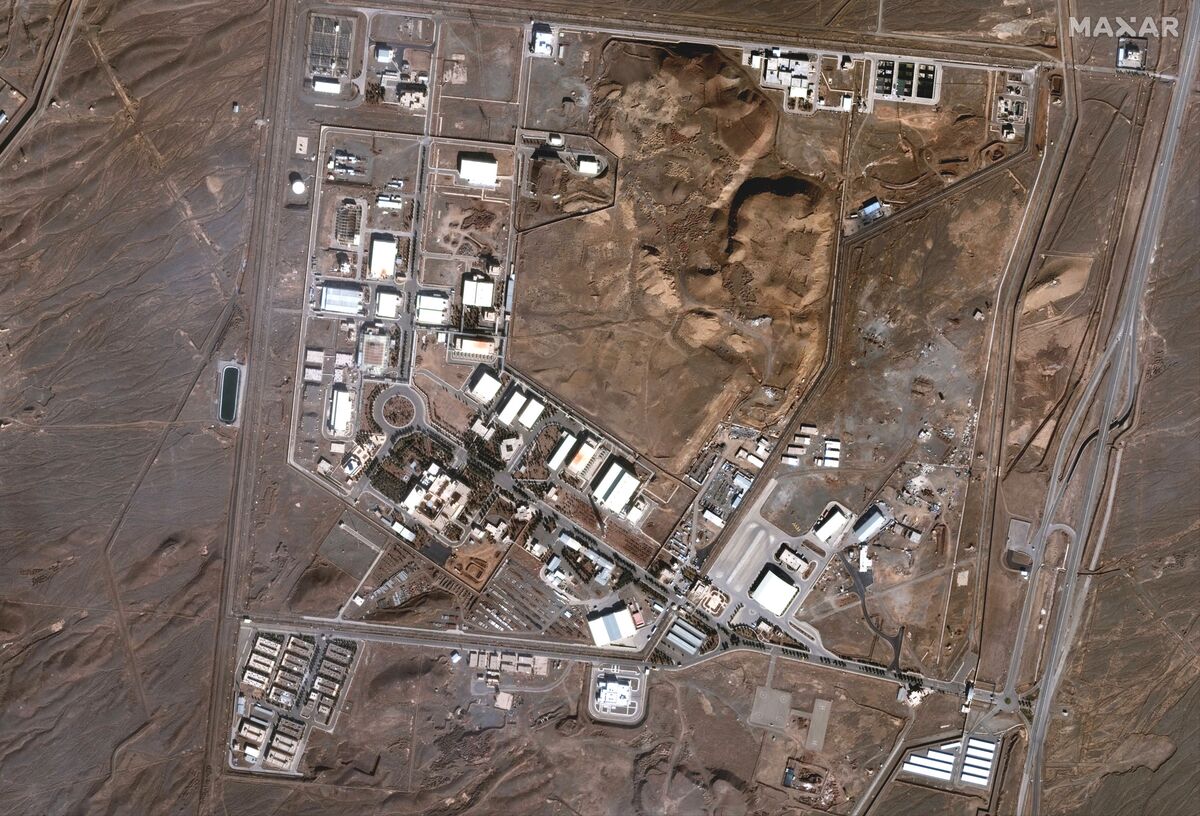
The IAEA reports no signs of increased radiation at Iran's Natanz uranium enrichment site following recent Israeli strikes, suggesting containment layers protecting Iran's nuclear stockpile remain intact. Iranian authorities informed the IAEA that they have not observed higher radiation doses at the Natanz facility, and there have been no reported raids on the Bushehr nuclear power plant.
The International Atomic Energy Agency's report of no increased radiation levels at Iran's Natanz uranium-enrichment site, following alleged Israeli strikes, indicates that the facility's containment layers protecting nuclear materials remain intact. This assessment is corroborated by Iranian authorities, who also confirmed no higher radiation doses at Natanz, located 300 kilometers south of Tehran, and no attacks on the Bushehr nuclear power plant. This development, characterized by a moderately positive sentiment (score 0.4) and stable tone, suggests an avoidance of a significant escalation involving a nuclear breach, which could have had severe regional and global repercussions. The moderate market impact score (0.65) highlights that while a catastrophic scenario was sidestepped, the event underscores persistent geopolitical risks, particularly relevant for energy markets and regional stability, aligning with themes such as "Geopolitics & War" and "Energy Markets & Prices."
AI-powered research, real-time alerts, and portfolio analytics for institutional investors.
Request DemoOverall Sentiment
moderately positive
Sentiment Score
0.40
