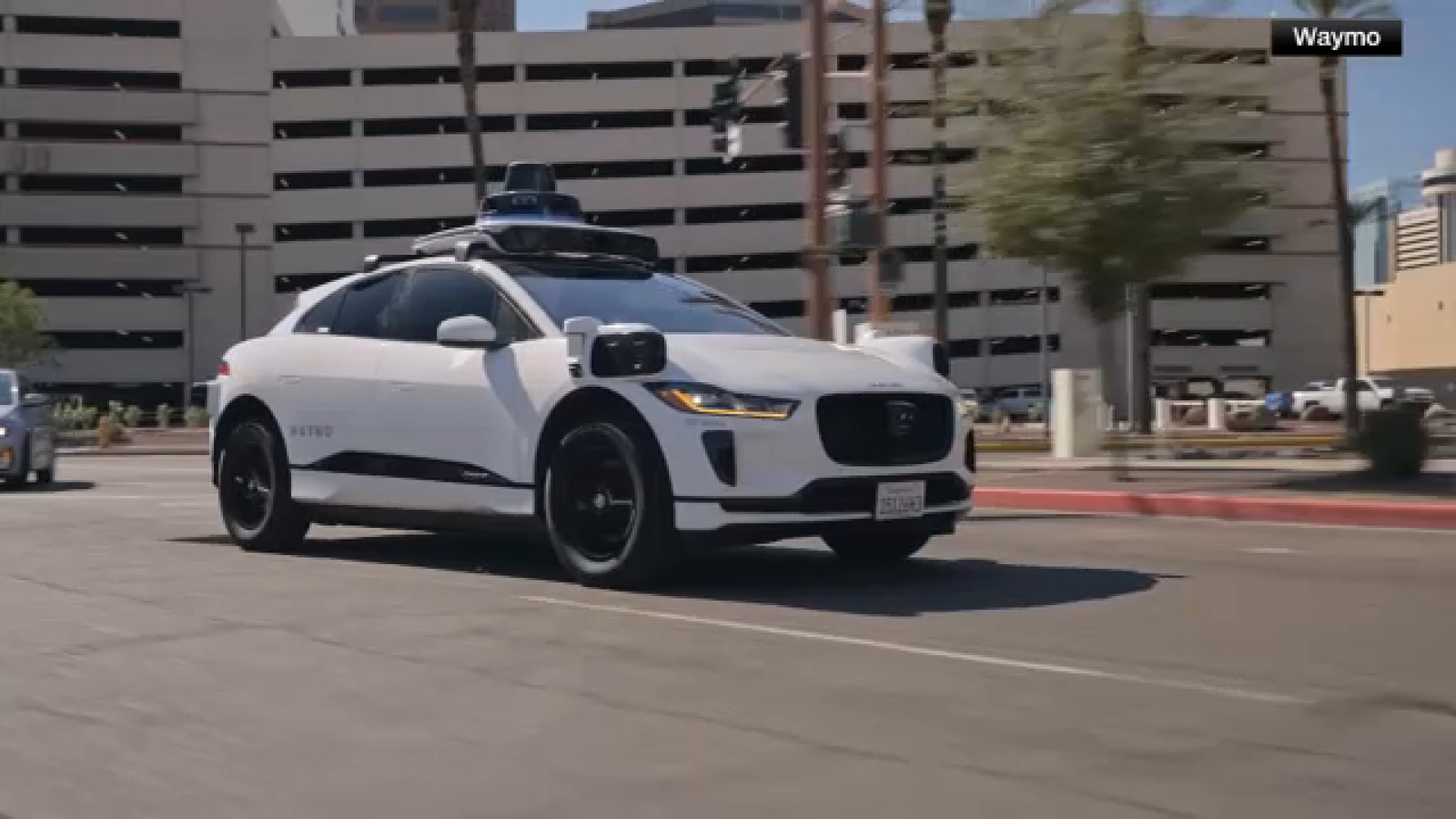
Waymo is recalling up to 3,791 robotaxis after NHTSA said its Automated Driving System could allow vehicles to continue into flooded roads instead of stopping. The issue was identified after an April 20 incident in San Antonio involving an unoccupied vehicle entering an untraversable flood section; no injuries were reported. Waymo has filed a voluntary recall, modified vehicle operations for weather-related constraints, and is still working on a software fix.
This is less a one-off software blemish than a signal that autonomy economics are still hostage to edge-case reliability, which matters most in geographies with sudden-weather risk. The second-order issue is not the incident itself but the operator burden it creates: every new weather constraint reduces the addressable operating window, lowering utilization and pushing out the path to unit-cost parity versus human-driven fleets. That tends to favor incumbents with broader geofenced service areas and deeper remote-supervision infrastructure, while pressuring any model that depends on maximizing vehicle uptime.
The more important implication is regulatory drift. Even absent injuries, a visible failure mode in adverse conditions gives local regulators and city partners an excuse to slow permitting or demand stricter operating guardrails, especially as deployments expand into storm-prone Sun Belt metros. That raises the probability of a months-long rollout cadence reset rather than a days-long headline washout, which is where the real valuation risk sits for autonomy-adjacent names.
Competitively, this may marginally benefit ride-hail platforms and traditional fleets if it reinforces the view that fully driverless coverage remains uneven in bad weather. It also nudges OEM/autonomy partners toward more expensive sensor fusion, mapping refreshes, and weather-aware route controls, which is good for suppliers of high-end perception stacks but bad for near-term margin assumptions in robotaxi operators. The contrarian take is that the market may overreact to safety optics while underappreciating that tighter weather constraints can improve long-run reliability by reducing incident frequency, potentially accelerating eventual municipal acceptance once the software is hardened.
AI-powered research, real-time alerts, and portfolio analytics for institutional investors.
Request DemoOverall Sentiment
mildly negative
Sentiment Score
-0.15
