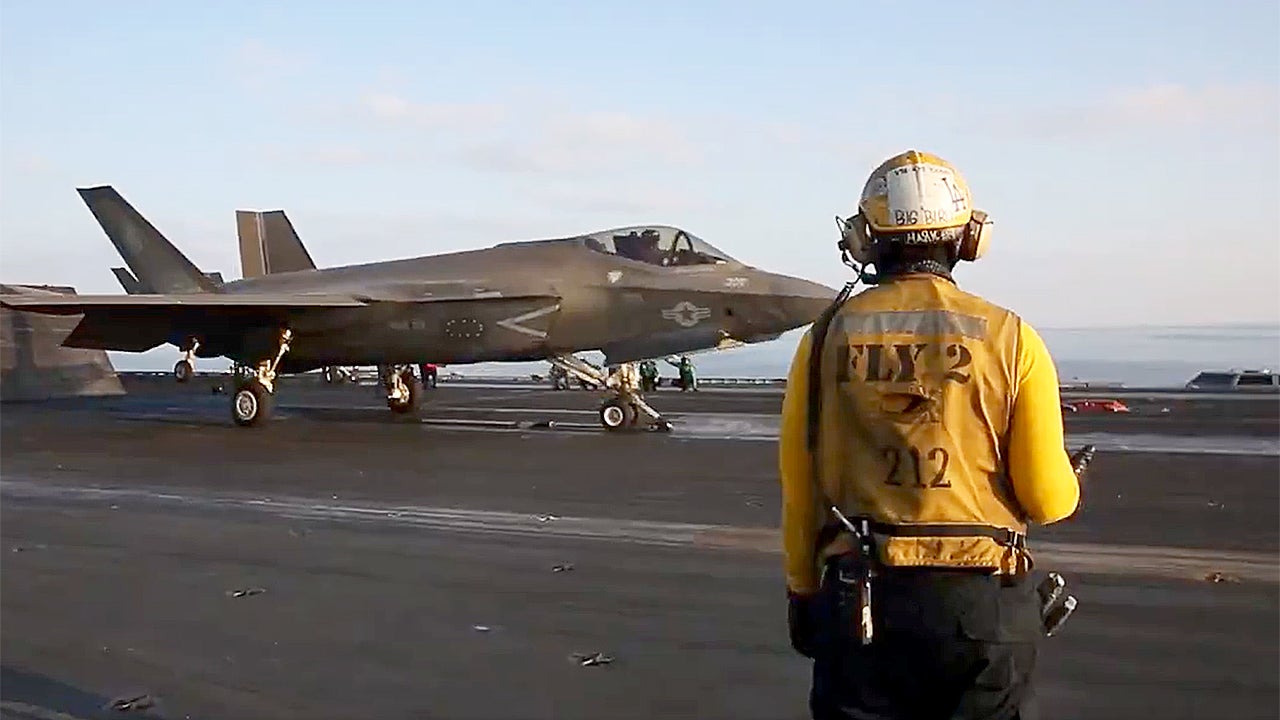
U.S. Central Command and the Gerald R. Ford Carrier Strike Group are conducting around-the-clock strikes aimed at eliminating Iran's mobile missile launch capabilities as part of Operation Epic Fury, while Israel reported a 12th wave of strikes across Tehran and released footage of an F-35 shooting down an Iranian Yak-130. Azerbaijan has mobilized its forces after drone strikes hit civilian infrastructure in Nakhchivan, Iran threatened repercussions over a struck warship, and multiple regional missile/drone attacks prompted interceptions and evacuations, raising acute regional security risks. For hedge funds, the episode heightens near-term risk-off dynamics with potential upward pressure on oil and defense stocks, increased volatility in regional and emerging-market assets, and contingent political tail risks that could affect global risk premia and supply-chain/shipping insurance costs.
Market structure: The immediate winners are defense primes (LMT, NOC, RTX, GD) and upstream energy (XOM, CVX, SLB) plus maritime/security insurers and cyber contractors; losers are commercial aviation (AAL, UAL), regional airlines, tourism and EM credits near Iran/Azerbaijan. Expect a near-term shock to oil supply-risk premia (Brent +5–15% in days; +20–40% if shipping lanes threatened) which benefits oil producers and services while pressuring jet fuel-exposed operators. Cross-asset flows will be classic risk-off: T-bill/long-end demand (yields down 10–30bps), USD rally, gold +3–7% in a week and higher implied vols across equities and oil options.
Risk assessment: Tail scenarios include Strait‑of‑Hormuz closure or escalation to state-on-state war (low probability but high impact) that could drive Brent +30–60% and global growth hit >1ppt over quarters; sanctions/insurance shocks could freeze shipping lanes and hit corporates with indirect supply-chain exposure. Time horizons: immediate (days) — price volatility and safe-haven flows; short (weeks–months) — earnings hits to airlines, higher energy cashflows; long (quarters+) — defense backlog monetization lags and normalization if conflict contained. Hidden dependencies: OPEC+ supply response, U.S. congressional defense funding, and insurance coverage patterns that can mute or amplify commodity moves.
Trade implications: Direct plays—buy defense and energy equities with 3–12 month horizon; hedge with Treasury duration and gold. Use pair trades: long LMT/NOC vs short AAL/UAL to capture asymmetric exposure to defense vs travel demand. Options: buy 3‑6 month call spreads on XOM/CVX (limit premium) and 1–2 month put spreads on AAL; consider Brent call spreads (via BNO/commodity options) if Brent > $95. Entry: initiate within 48–120 hours while vols are rising; trim on 15–25% realized moves or if Brent breaches $100.
Contrarian angles: The market will likely overshoot into defense names in the first 2–4 weeks; historical parallels (Gulf War 1990) show oil and defense spikes mean‑revert over 9–12 months. If diplomatic de‑escalation or Saudi supply offsets occur, defense and energy could fall 10–25% from peak—use short-dated call selling or calendar spreads to harvest elevated IV. Watch DHS shutdown resolution, OPEC statements, and a Brent > $100 threshold as reversal/acceleration catalysts.
AI-powered research, real-time alerts, and portfolio analytics for institutional investors.
Request TrialOverall Sentiment
strongly negative
Sentiment Score
-0.62
