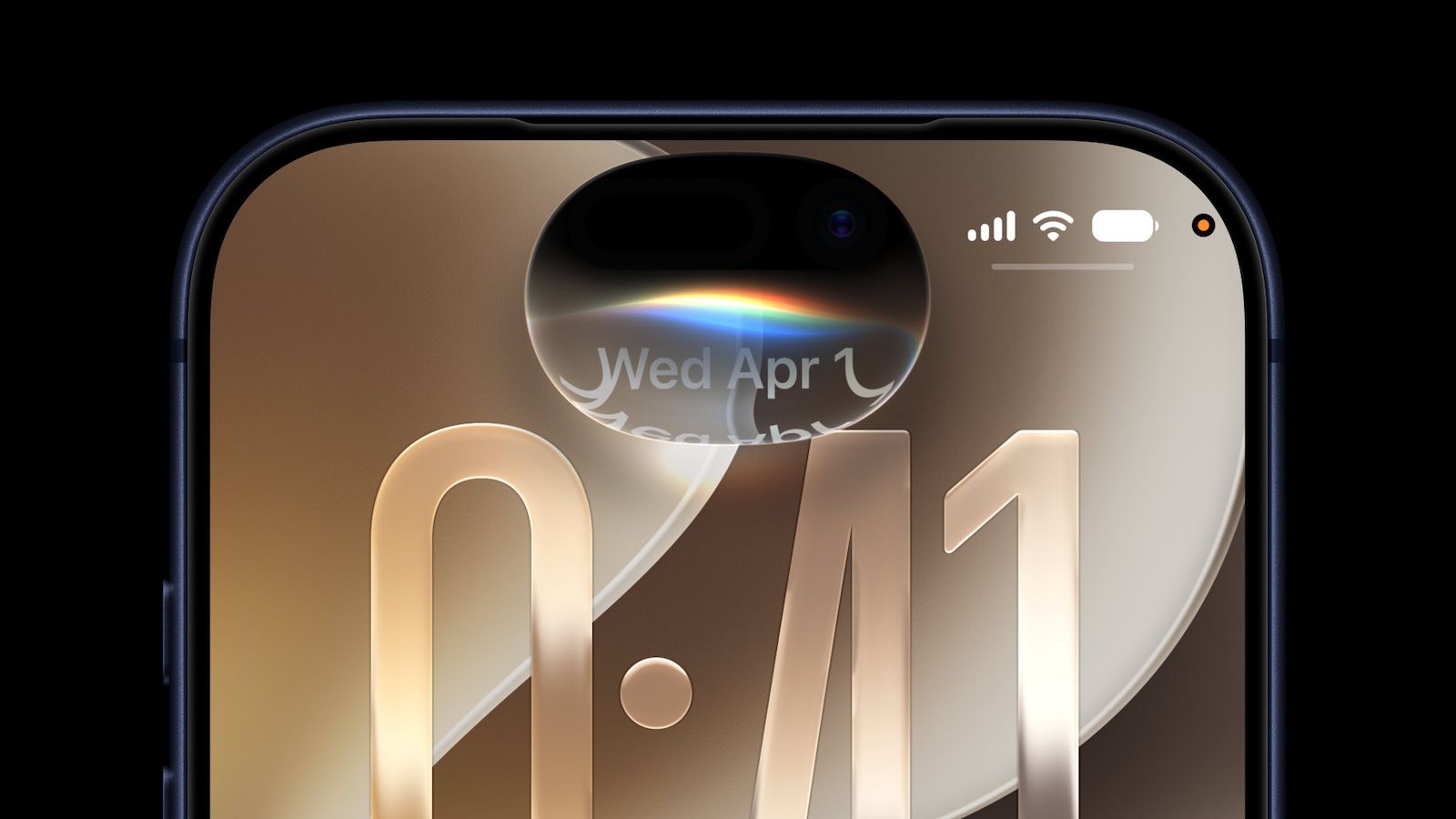
Apple is overhauling Siri into 'Siri AI' in iOS 27, adding personal context, web search, onscreen awareness, app actions, and systemwide writing tools. The upgraded assistant is available in beta now and will roll out to all users this fall, with support across iPhone, iPad, Mac, Vision Pro, Watch, CarPlay, and AirPods. The launch is positive for Apple's AI positioning, though the near-term market impact is likely limited to sentiment around product execution and ecosystem differentiation.
This is less a feature upgrade than a distribution reset: Apple is trying to turn the iPhone into the default consumer AI front-end by anchoring the assistant inside personal data, screen state, and app actions. That raises switching costs materially versus standalone chat apps, because the value proposition shifts from generic Q&A to workflow completion and memory across devices. The market should treat this as an attach-rate story for Apple Intelligence rather than a pure unit-growth catalyst; the biggest monetization lever is likely higher device retention and faster upgrade propensity, not direct AI revenue.
The competitive pressure lands hardest on consumer-facing AI assistants that rely on being the first app opened for everyday tasks. Google is the most exposed second-order loser because this narrows the gap between Android and iPhone on “good enough” agentic assistance while Apple controls the hardware, identity graph, and app surface. OpenAI/Anthropic do not show up as direct equity trades here, but the practical effect is that generic chatbot usage on mobile could decelerate as Apple absorbs the low-complexity queries and productivity tasks that drive habit formation.
The key risk is execution, not concept: if latency, hallucination rate, or permission friction are even modestly worse than the demo, adoption could be sharp initially and then fade over 1-2 quarters. The second risk is regulatory/geographic fragmentation, since launch exclusions in major markets limit near-term footprint and may delay full conversion of the installed base. A more subtle headwind is margin: deeper on-device and cloud inference will likely raise Apple’s AI compute bill before it creates visible monetization, so gross margin commentary could become more important than feature headlines.
The contrarian takeaway is that the biggest winner may actually be NVIDIA, not Apple, if on-device plus private cloud workloads accelerate across Apple’s ecosystem and force a higher baseline of inference spend. Consensus will likely focus on Apple’s product polish, but the important variable is whether this normalizes AI usage frequency across hundreds of millions of devices. If that happens, the incremental demand for low-latency inference could surprise to the upside over the next 12-24 months even if the user-facing feature itself is only moderately sticky.
AI-powered research, real-time alerts, and portfolio analytics for institutional investors.
Request DemoOverall Sentiment
strongly positive
Sentiment Score
0.72
Ticker Sentiment
