
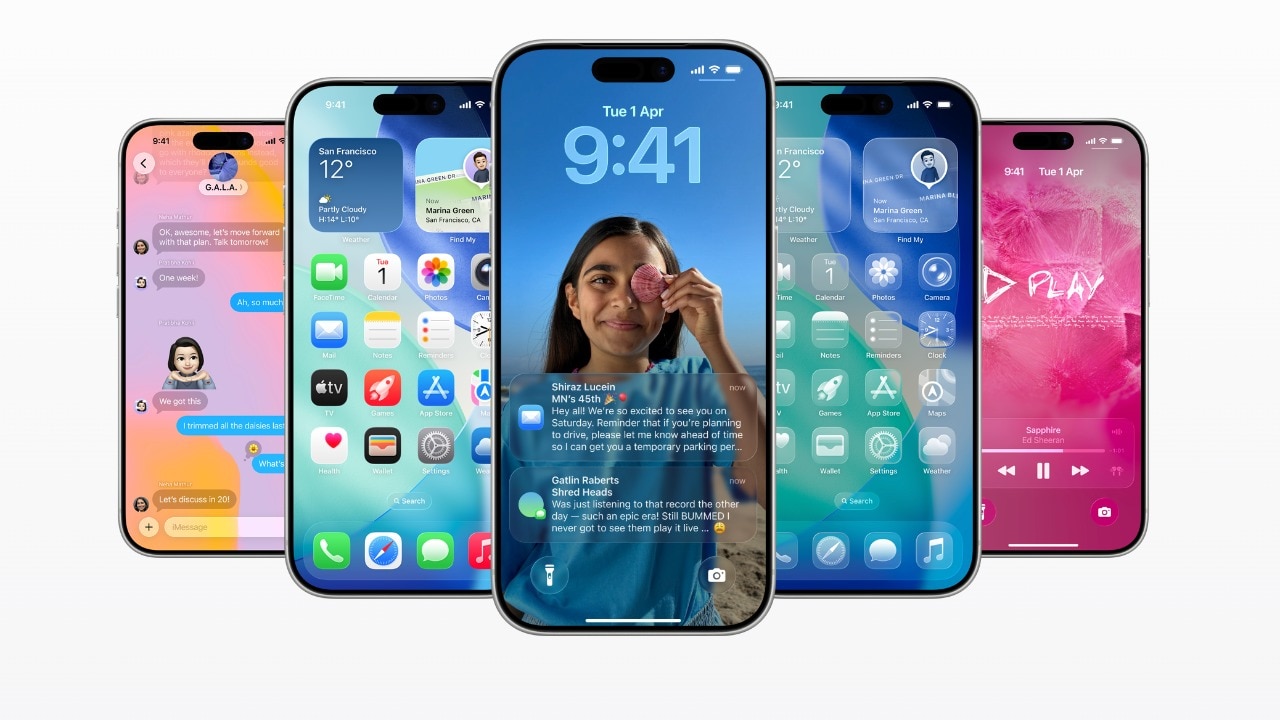
Apple is reportedly already developing iOS 28, iPadOS 28 and macOS 28, with the '28' software cycle described as potentially far more significant than the upcoming iOS 27 release. iOS 27 is expected to focus on Siri and Apple Intelligence, including a personalized Siri experience, a dedicated Siri app, and a new 'Search or Ask' feature. The article is largely forward-looking and does not provide financial metrics or confirmed product details, so near-term market impact appears limited.
The market should treat this as a sequencing issue, not a near-term fundamental upgrade. A “bigger” iOS cycle in 2027 matters mainly if it creates a more compelling hardware refresh and extends Apple’s ability to monetize a richer on-device AI stack; that would support longer replacement cycles, higher attachment to services, and better pricing power on the premium tier. The first-order beneficiaries are Apple’s own installed base economics and, secondarily, suppliers tied to high-end handset demand if the redesign lifts ASPs and unit mix.
The more interesting second-order effect is competitive: a deeper Siri/Apple Intelligence integration in the interim could blunt the narrative advantage of standalone AI assistants from Google, OpenAI, and smaller app-layer players. If Apple succeeds in making AI feel native rather than additive, it compresses the window for competitors to win consumer mindshare on mobile. Conversely, if the 2027 overhaul is mostly aesthetic and the AI layer still lags, the market may eventually re-rate this as another roadmap story rather than a durable product supercycle.
Near term, the stock is unlikely to move on this alone because the catalyst sits 12-24 months out and the article itself underscores execution uncertainty. The real risk is that expectations for a “20th anniversary iPhone” and a major software leap become overcapitalized before Apple proves Siri can work reliably at scale. Any delay in personalized Siri, or a design refresh that fails to drive upgrade intent, would unwind the optionality and leave investors with a mature hardware multiple and little incremental earnings leverage.
The contrarian read is that iOS 28 may be less about immediate feature count and more about enabling a new device architecture—meaning the value could accrue to Apple’s ecosystem moat, not just handset units. If that is right, the trade is not a one-shot event trade but a slow-burn reacceleration in mix and services monetization. The market may be underpricing how much a credible on-device AI experience can reduce churn and increase default engagement across Apple’s install base.
AI-powered research, real-time alerts, and portfolio analytics for institutional investors.
Request TrialOverall Sentiment
neutral
Sentiment Score
0.12
Ticker Sentiment
