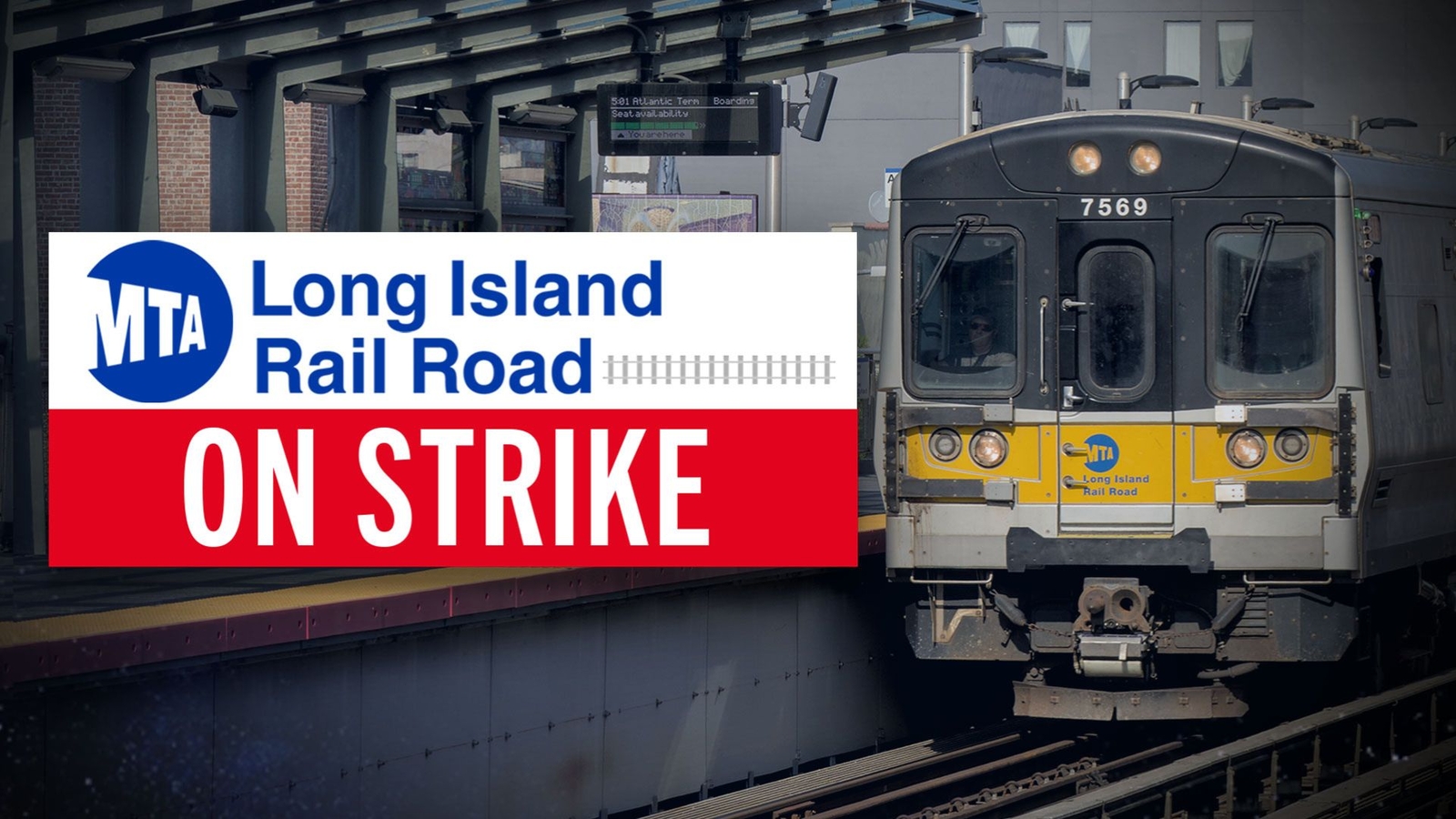
President Trump blamed New York Gov. Kathy Hochul for the Long Island Rail Road strike in a Truth Social post, while Hochul said the disruption resulted from the Trump administration cutting mediation short. Trump said he could help resolve the dispute and suggested Bruce Blakeman would be a better governor for New York. The article is primarily political commentary around a transit labor dispute, with limited direct market impact.
The immediate market read is not about the rail strike itself but about escalation risk in public-sector labor disputes across transit-heavy metros. Even if this specific stoppage is short-lived, the more important second-order effect is that political blame-shifting increases the probability of a harder bargaining stance in future negotiations, which raises the tail risk of intermittent service disruptions rather than a clean resolution. That tends to be more damaging for commuter behavior and business sentiment than a one-off strike because it erodes reliability assumptions.
The more tradable implication is for local economic proxies tied to NYC-area mobility: retail, office occupancy, and last-mile logistics sensitivity can deteriorate if commuters start pricing in recurring friction. The damage is usually not linear; a few days of disruption can have outsized effects on same-store sales, restaurant traffic, and weekday ridership recovery, especially if the narrative becomes politicized. Transportation operators and municipal stakeholders may face pressure to overcompensate with concessions, which can increase labor cost inflation over the next 6-18 months.
Contrarian take: the market may underweight the odds of a rapid, face-saving resolution because both sides have incentives to avoid prolonged service interruption. That means any knee-jerk selloff in commuter-exposed names could be a better fading opportunity than a structural short, unless the dispute broadens into a template for other transit systems. The real risk is not this strike alone; it is a precedent that emboldens labor in other Northeast transit networks and raises the political cost of allowing service interruptions to resolve naturally.
AI-powered research, real-time alerts, and portfolio analytics for institutional investors.
Overall Sentiment
neutral
Sentiment Score
-0.05
