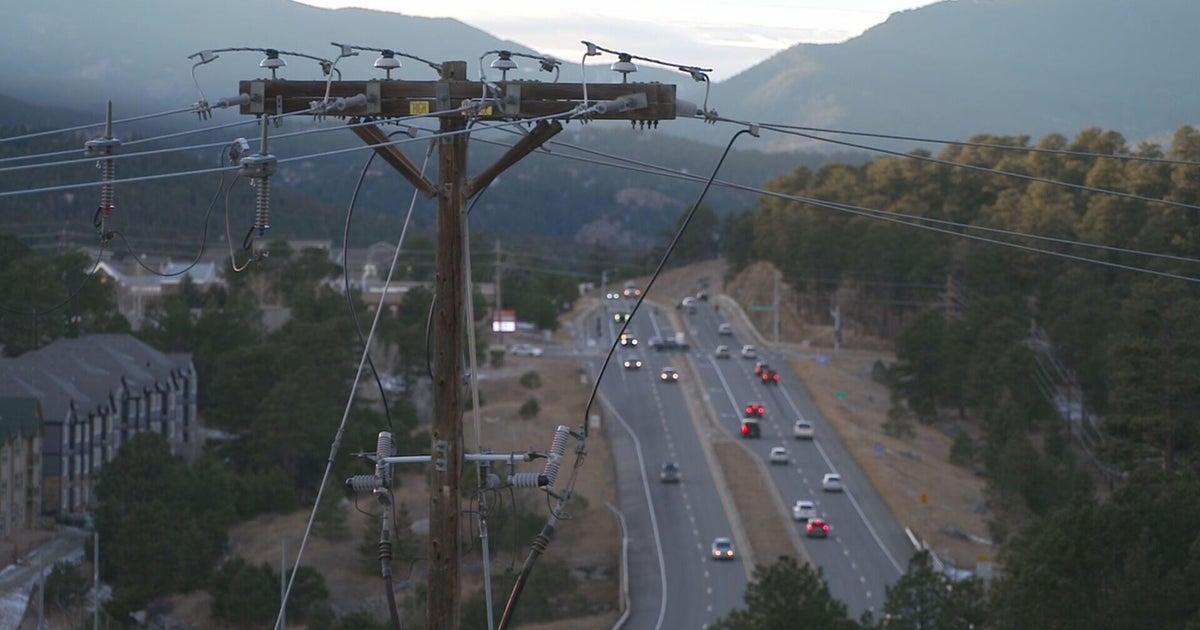
Xcel Energy carried out planned power shutoffs in Jefferson County foothills amid high winds (gusts up to 61 mph) and dry conditions to reduce wildfire risk, leaving many homes without power for 24+ hours and with the prospect of outages extending to Sunday; inspections requiring daylight and limits on drone/helicopter access delayed re-energizing lines. The outages have provoked community frustration and renewed scrutiny of Xcel after a $640 million Marshall Fire settlement earlier this year, creating modest reputational and regulatory risk for the utility; operational inspection costs and potential policy responses are the main investor considerations, though the event is local and unlikely to move broad markets absent escalation.
Market structure: Xcel (XEL) is the immediate loser—brand/legal risk and short-term operational costs—while suppliers of backup power and grid-hardening (Generac GNRC, Eaton ETN, ABB) gain demand and pricing power as homeowners and utilities spend on resilience. Expect near-term equity volatility and a 25–75bp widening in XEL credit spreads if regulator scrutiny escalates; options implied vol for XEL and regional utility peers should jump 20–40% in the next 30 days. Risk assessment: Tail risks include a large wildfire despite PSPS triggering a fresh $500M–$1bn litigation wave or a regulatory order within 3–12 months; conversely, regulators could allow full cost recovery, limiting downside. Immediate (days) impact is consumer backlash and revenue disruption; short-term (weeks–months) is reputational/legal risk and higher borrowing costs; long-term (12–36 months) is structural capex for hardening that boosts suppliers’ revenues but pressures utility ROE. Key hidden dependency: Colorado PUC rulings and class-action filings within 30–90 days. Trade implications: Take a tactical bearish stance on XEL: small-size exposure via a 6-month put spread (buy 6-month 10% OTM puts, finance by selling 20% OTM puts) sized 1.5–2.5% of book; pair with a 1.5–2% long in GNRC to capture generator demand over next 3–6 months. Add a 1–2% strategic overweight in ETN/ABB for 12–36 months to play utility capex. Enter now; trim/ reassess on a 5–8% move in XEL or PUC decisions. Contrarian angles: Consensus focuses on immediate downsides and may underprice regulatory cost recovery—if regulators permit pass-throughs and authorize ROE uplift, XEL could rebound 10–20% within 6–12 months. Historical parallels (PG&E) show wild-card restructurings but eventual normalization; unintended consequence: durable lift to grid-harding vendors could plateau as battery/storage displaces portable gensets over 24–36 months, capping GNRC upside.
AI-powered research, real-time alerts, and portfolio analytics for institutional investors.
Request DemoOverall Sentiment
moderately negative
Sentiment Score
-0.40
Ticker Sentiment
