
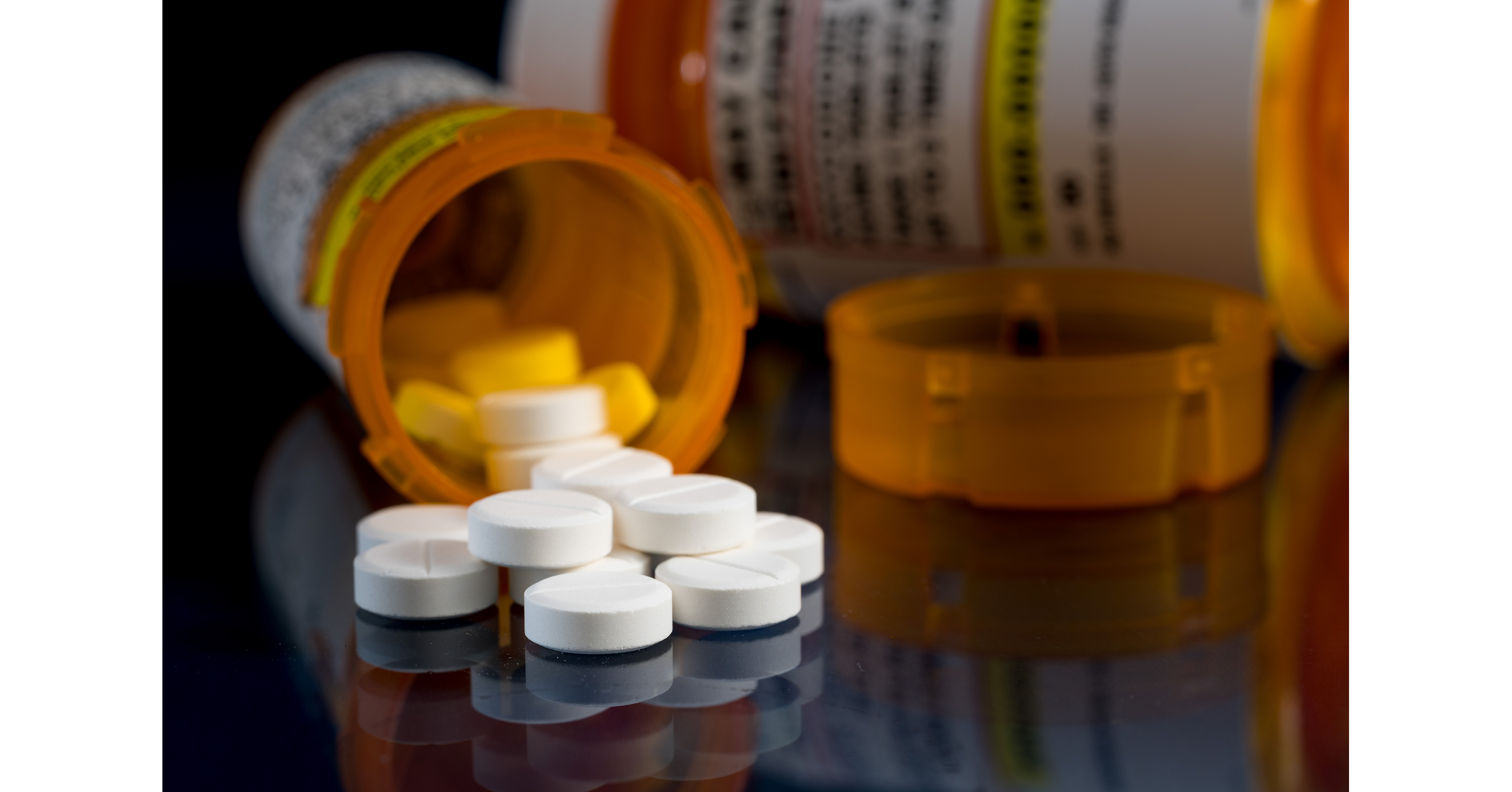
Children’s Hospital of Philadelphia (CHOP) used an EHR-based automated alert plus provider/pharmacist and patient-family education to raise naloxone co-prescribing with outpatient opioid prescriptions from <3% in 2023 to an average monthly rate of 84.1% (goal: ≥80%) across the enterprise. The initiative improved naloxone dispensing despite ongoing barriers like stigma and medication costs, with nearly 60% of prescriptions filled through CHOP pharmacies. Results, published in The Journal of Pediatrics, position the framework as scalable for pediatric opioid safety practices to reduce preventable overdose harm.
This is best read as a workflow signal, not a demand signal. The economic value is in turning a clinician behavior change into a default EHR action; that kind of standardization can scale quickly across health systems, but it does not automatically translate into material drug revenue because the unit economics of naloxone are tiny and highly price-sensitive.
The main beneficiaries are the channels that control dispense friction: integrated hospital pharmacies, community pharmacy networks, and whichever branded/OTC supply chain can secure coverage or discount-program eligibility. The second-order risk for smaller pharmacies is not lost volume but margin compression if co-prescribing becomes mandatory while reimbursement stays unchanged; the tradeable impact is therefore likely larger for operating metrics than for top-line growth.
Consensus may be overestimating how quickly this can move from a single pediatric system to a broad market. The real catalyst path is 1-3 quarters of state-level guidance updates, payer policy changes, and EMR template adoption; without those, this remains a best-practice case study. Falsifiers are simple: if fill rates stall because of out-of-pocket cost or stigma, the thesis shifts from "scalable adoption" to "administrative compliance," which is much less investable.
AI-powered research, real-time alerts, and portfolio analytics for institutional investors.
Overall Sentiment
moderately positive
Sentiment Score
0.40
Ticker Sentiment
