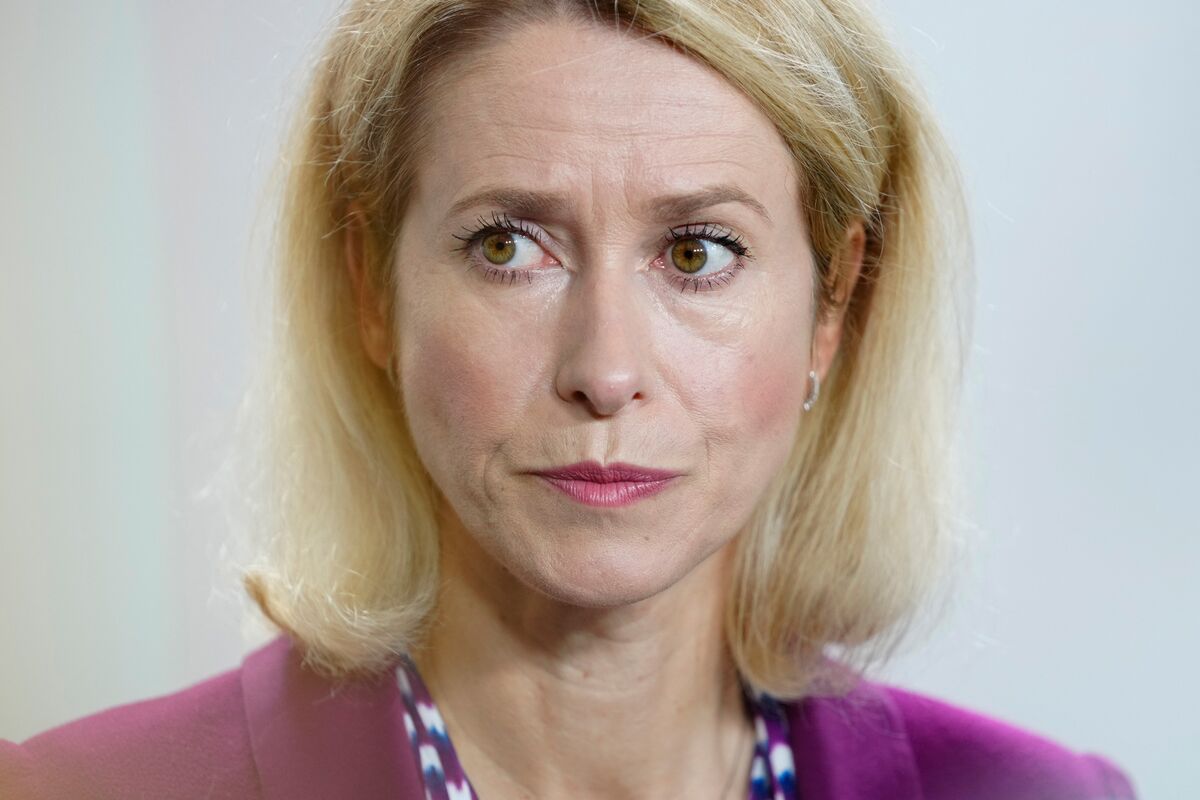
The EU's foreign policy chief, Kaja Kallas, has called for secondary sanctions and direct measures against Russia's energy sector, asserting these are the most effective ways to impede Moscow's war in Ukraine. This advocacy for heightened pressure, spurred by Russia's recent attack on Kyiv and EU offices, signals a potential strategic shift towards more impactful economic penalties, with significant implications for global energy markets and Russian asset exposure.
The European Union's foreign policy chief, Kaja Kallas, is advocating for a significant escalation in economic measures against Russia, specifically proposing secondary sanctions and direct actions against its energy sector. This hawkish stance, communicated ahead of an informal meeting of EU defense ministers, suggests a growing political will to intensify pressure on Moscow's ability to finance its war efforts. The call for secondary sanctions is a material development, as it would extend punitive measures to third-party entities and countries engaging with Russia, substantially increasing compliance risk for global companies and financial institutions. The explicit targeting of the energy sector strikes at Russia's primary revenue source. The high market impact score of 0.7 associated with this hawkish tone indicates that the implementation of such policies would likely trigger significant volatility, particularly in global energy markets, and heighten geopolitical tensions.
AI-powered research, real-time alerts, and portfolio analytics for institutional investors.
Request DemoOverall Sentiment
moderately negative
Sentiment Score
-0.40
