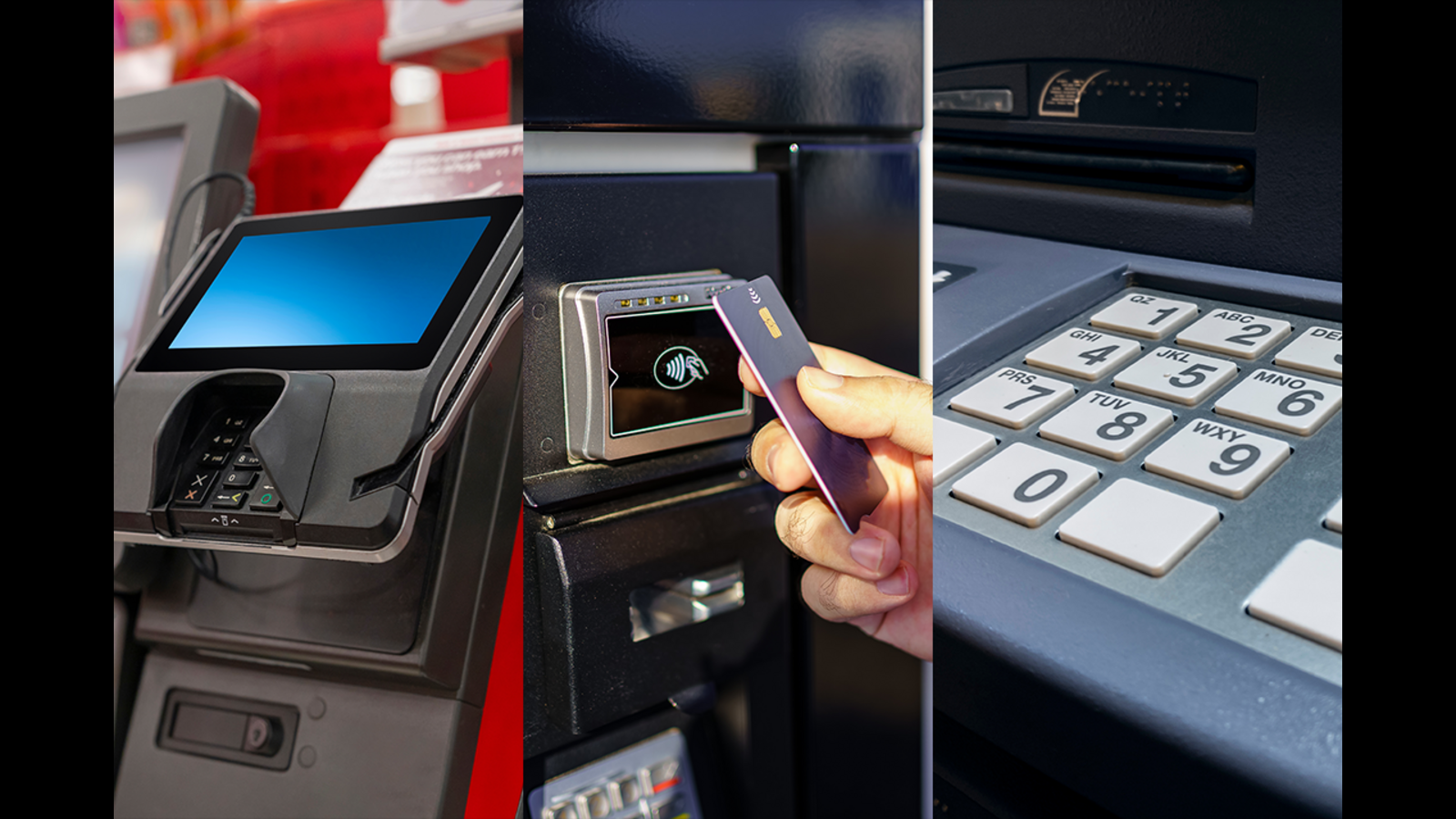
Card skimming continues to cost consumers and financial institutions more than $1 billion annually, according to the FBI, with a joint Secret Service and local law enforcement operation removing 5 skimmers from 510 inspected businesses in Northern California. The article is largely preventive and advisory, highlighting fraud risk at gas station point-of-sale kiosks rather than a direct market-moving event. Impact on markets is limited, but the news underscores ongoing cybersecurity and payments fraud concerns.
This is less a one-off consumer crime story than a reminder that the payments stack still has a very weak edge at the physical merchant layer. The immediate losers are the small merchants and gas station operators who absorb chargebacks, card reissuance friction, and reputational damage; the larger winners are issuers and network-adjacent fraud-prevention vendors, because every skimmer incident increases the probability of EMV migration, tamper-resistant hardware refreshes, and stepped-up monitoring budgets. The second-order effect is that the highest-risk merchant segments will be forced to spend more on kiosk replacement and endpoint security, which is quietly accretive for payments hardware and fraud software vendors even if consumer-facing headlines stay negative.
The catalyst path is slow-burn rather than event-driven: enforcement blitzes can remove devices today, but the economic incentive for criminals remains intact until hardware is upgraded and inspection frequency becomes unpredictable. Over the next 6-18 months, expect more pressure on fuel retailers to invest in secure terminals and telemetry, and more bank losses from reimbursement and card replacement, which keeps fraud losses structurally above trend even if incident counts flatten. Tail risk is a shift from simple skimmers to overlay devices plus malware at the merchant-network level, which would widen the breach surface and force a higher spend cycle across both hardware and software stacks.
The market is likely underpricing the durability of fraud-prevention spend because this problem rarely shows up as a visible line item until a large event resets budgets. Consensus may treat skimming as a consumer annoyance, but for public companies it is a lever for accelerated refresh cycles, not just a cost center. The best trade is not on the crime itself, but on the spend it forces: hardware upgrades, secure payment terminals, and fraud analytics should see the cleanest second-order benefit.
One nuance: if regulators push liability more aggressively onto merchants or acquirers, the winners could be concentrated among scale players with better compliance infrastructure, while smaller regional operators get squeezed. That means the right exposure is likely to be quality-biased within fintech rather than a broad beta trade. The downside is that if inspection efforts and EMV penetration reduce incidents faster than expected, the spend cycle could be deferred, but that is more a timing risk than a thesis breaker.
AI-powered research, real-time alerts, and portfolio analytics for institutional investors.
Request DemoOverall Sentiment
mildly negative
Sentiment Score
-0.15
