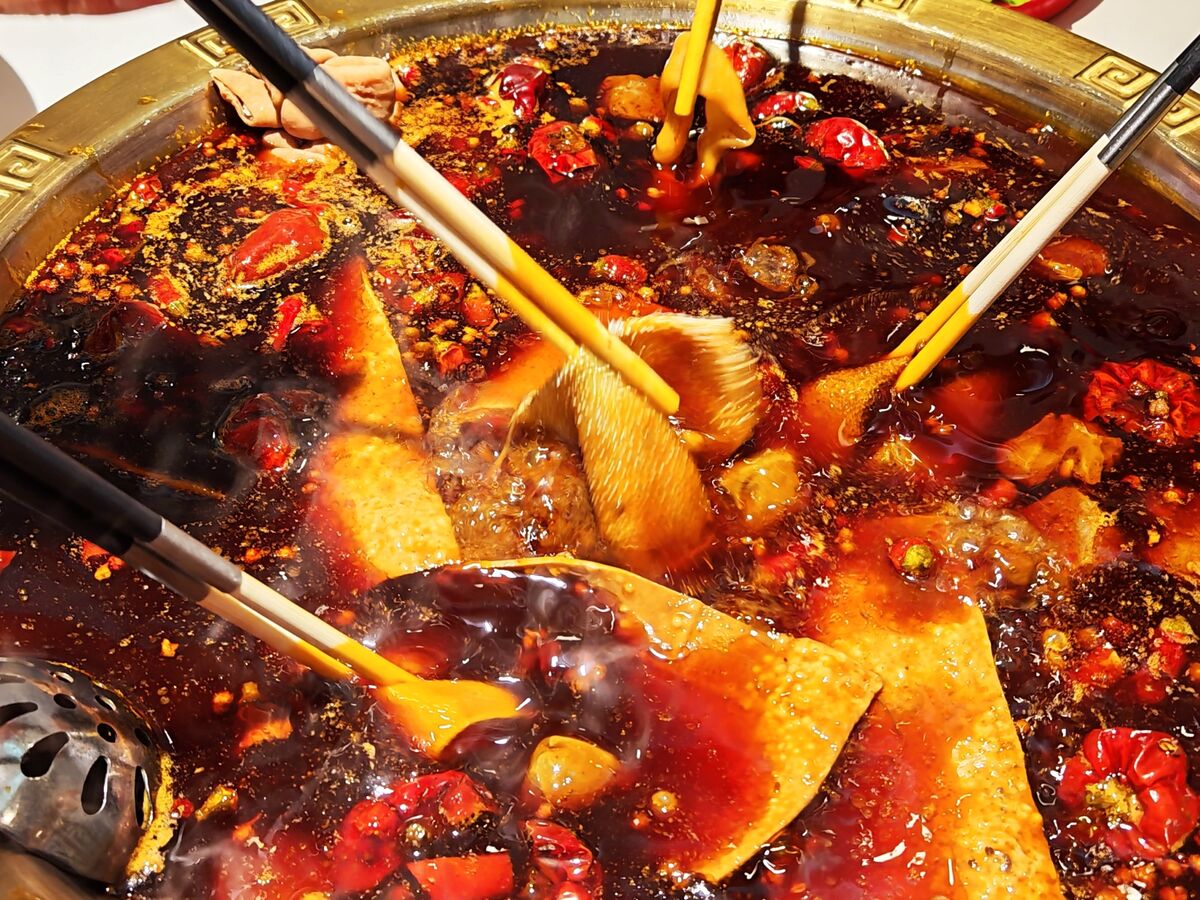
Malaysia is pursuing "hotpot diplomacy" to increase palm oil exports to China by developing a palm-based alternative to traditional tallow used in mala hotpot, a popular dish. As the world's second-largest palm oil producer, Malaysia is collaborating with Chinese researchers to create a plant-based substitute that aligns with healthy living trends, potentially capturing a significant share of the Chinese market.
Malaysia, the world's second-largest palm oil producer, is strategically pursuing an expansion of its palm oil market in China by developing a plant-based fat alternative for the widely popular mala hotpot dish. This initiative, characterized as 'hotpot diplomacy', involves collaboration with Chinese researchers to create a substitute for traditional tallow, which is primarily animal-derived. By positioning palm oil as a healthier option aligning with modern healthy living trends, Malaysia aims to capture a segment of the significant Chinese consumer market. The successful development and market penetration of this palm-based alternative could lead to increased demand for Malaysian palm oil, leveraging a popular culinary tradition. The positive sentiment and optimistic tone surrounding this development suggest potential new avenues for palm oil consumption, impacting commodity flows and consumer choices within China.
AI-powered research, real-time alerts, and portfolio analytics for institutional investors.
Request DemoOverall Sentiment
Positive
Sentiment Score
0.65
